
Last updated November 15, 2026
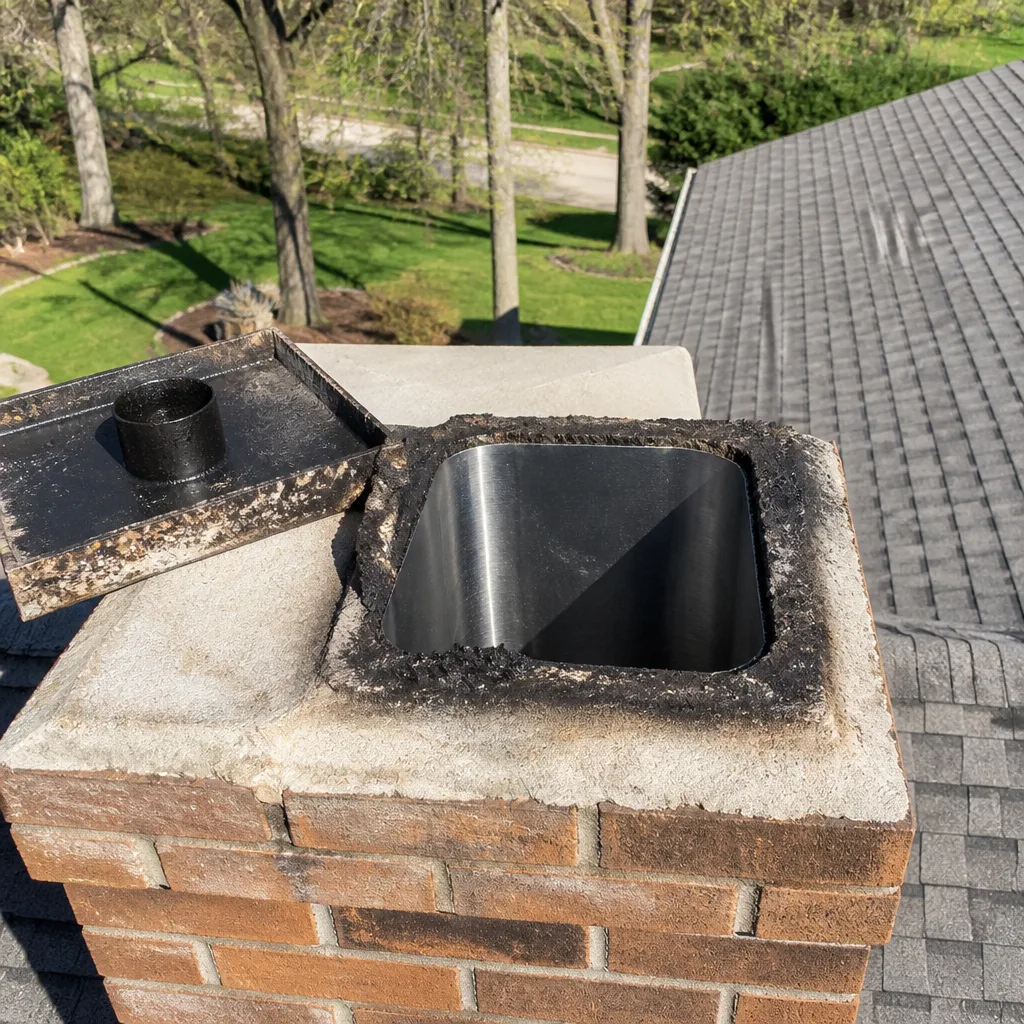 Sweep & inspection
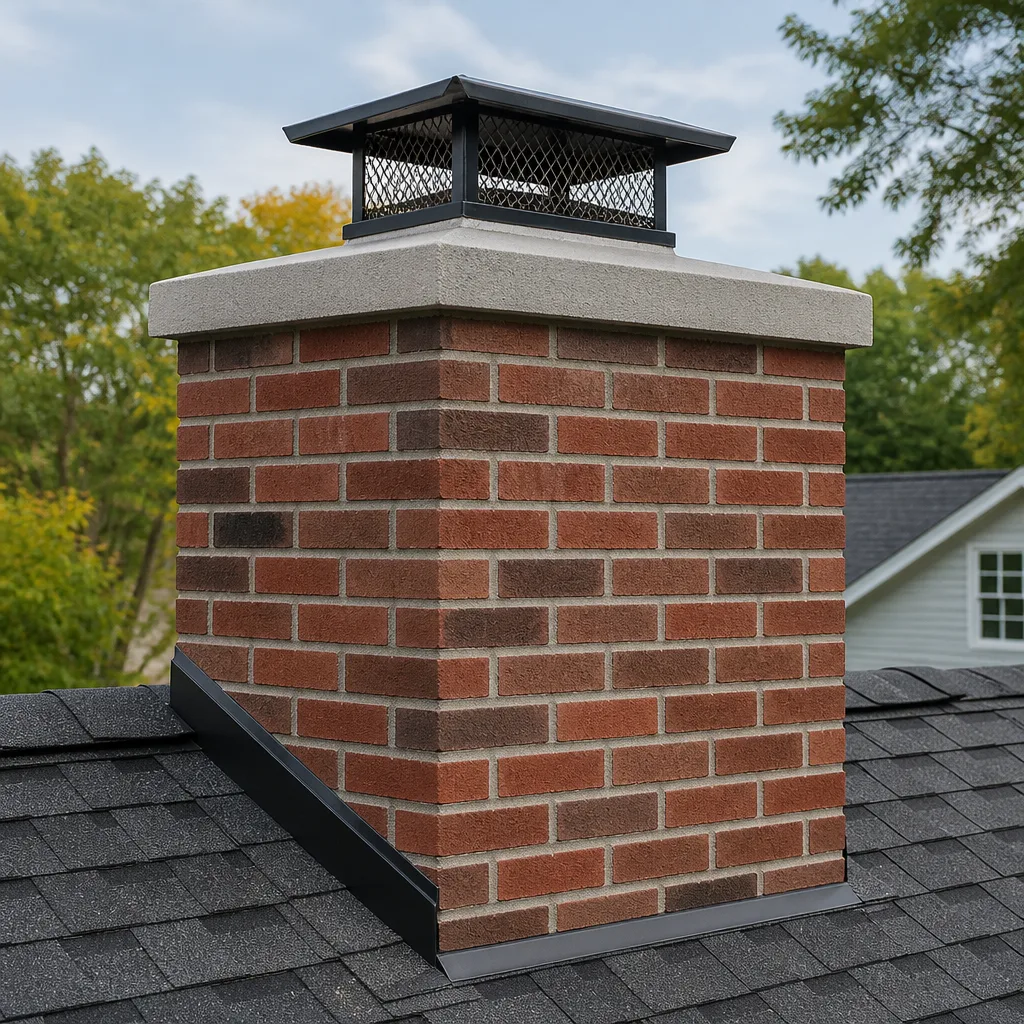 Caps & crowns
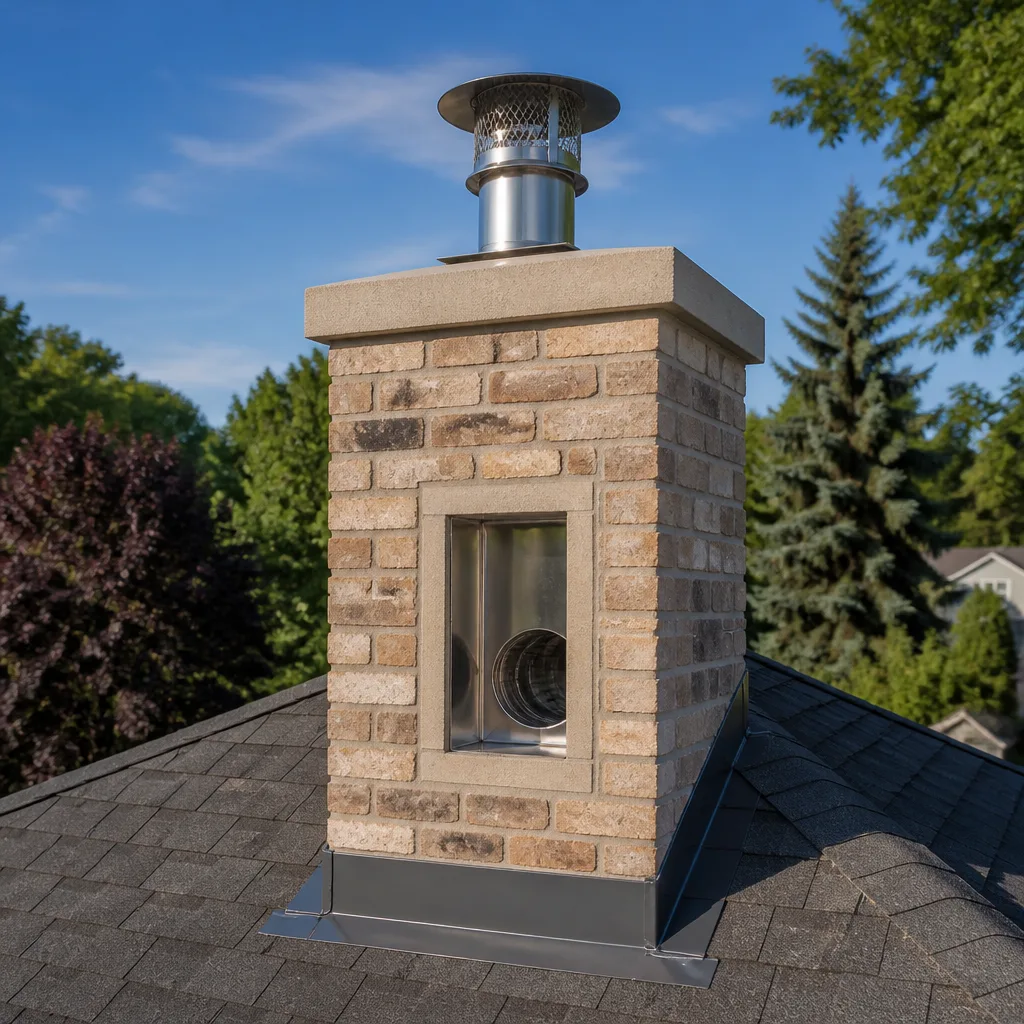 Flue relining
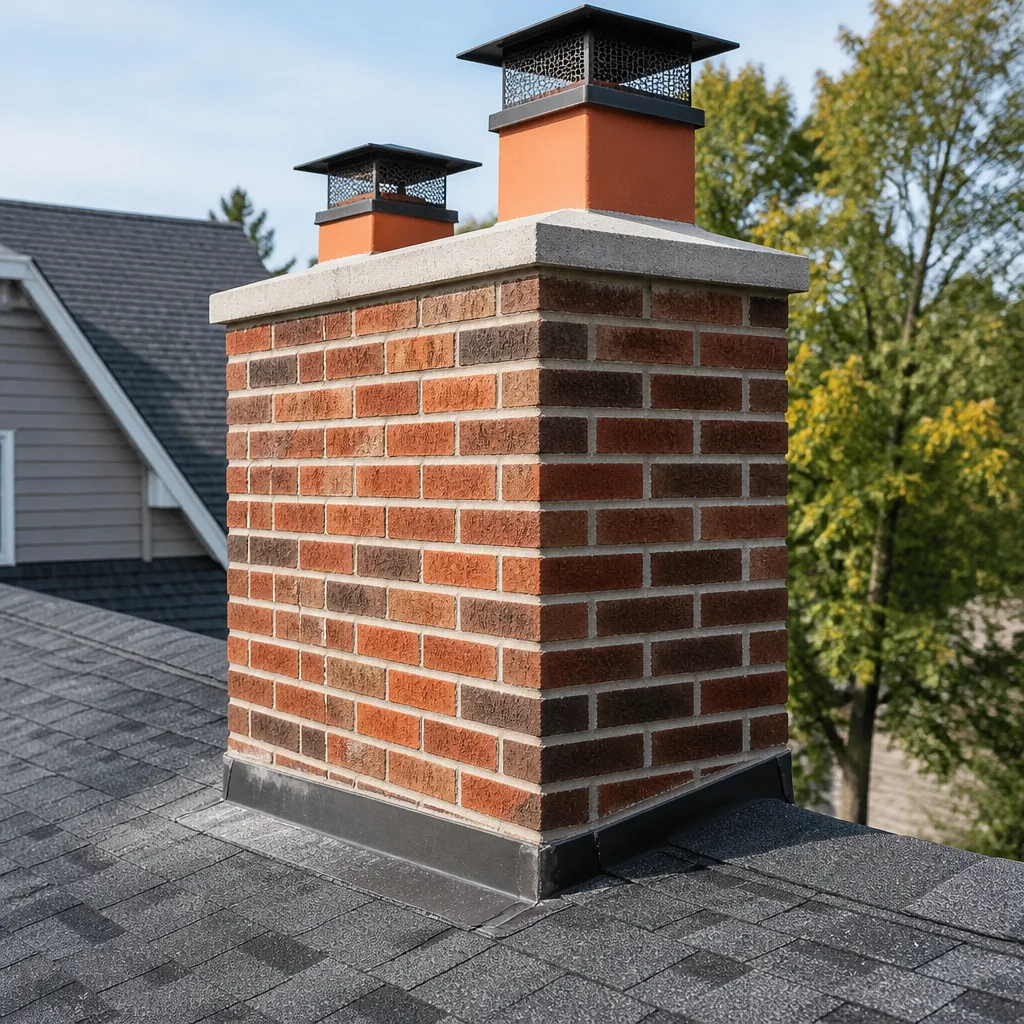 Masonry repair
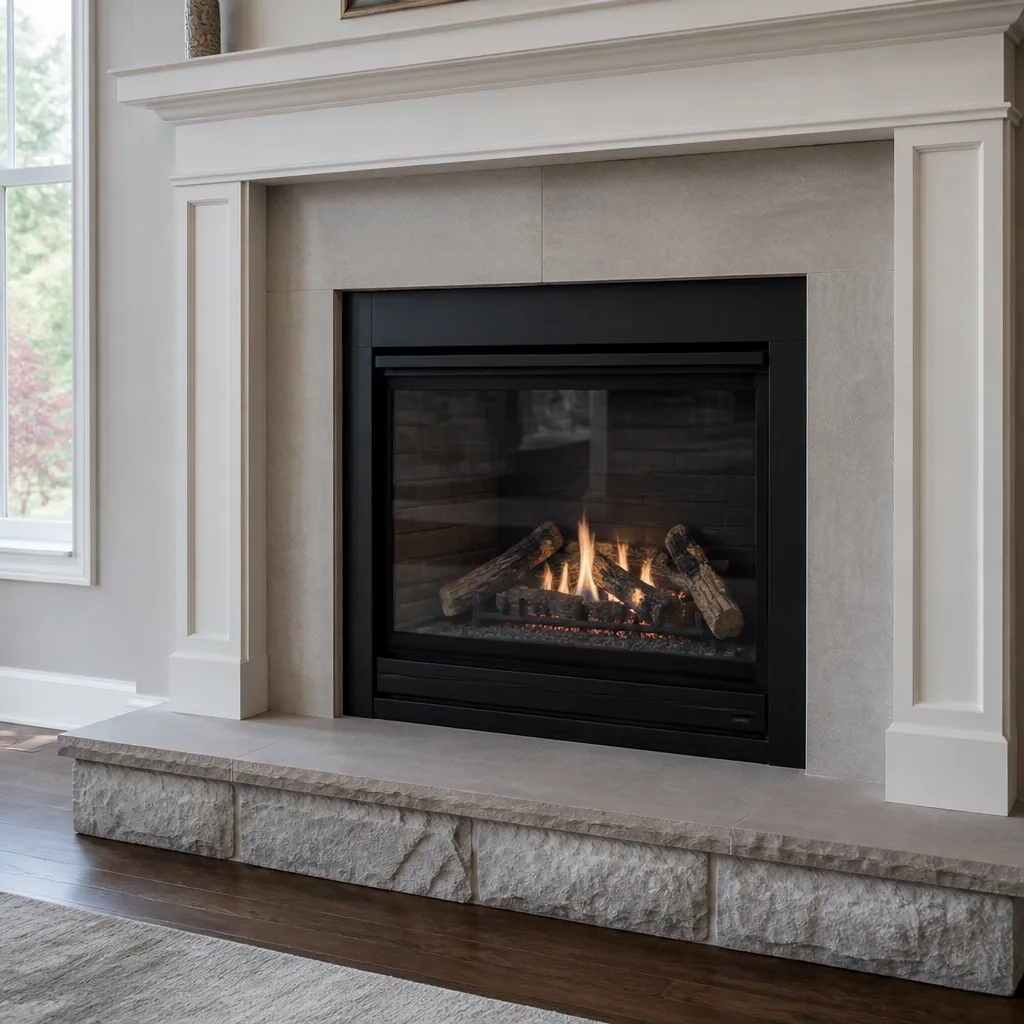 Gas fireplace service
Level 1 sweep and inspection to the NFPA 211 annual standard - flue, crown, cap, and flashing checked and photographed
Chimney sweep logs do not sweep chimneys. They loosen some creosote - which then falls where a brush and vacuum still have to collect it.
Chimney Cleaning Warning Signs: An Arlington Homeowner’s Reference Guide
Most people assume the first sign of a chimney problem is smoke where it shouldn’t be. In our experience, it’s usually quieter than that. A faint white bloom on the outside brick. A smell that shows up in October and lingers into November. A thin flake of mortar on the patio you keep meaning to sweep up. These are the kinds of things Arlington homeowners walk past every day without realizing the chimney is already telling them something. This guide names the specific warning signs we look for, explains the mechanism behind each one, and tells you whether to schedule an appointment, call soon, or stop using the fireplace today.
Quick Answer
The most important chimney cleaning warning signs in Arlington are smoke spilling back into the room, a strong or persistent odor even when the fireplace is cold, visible creosote buildup in the firebox or flue, white staining or flaking brick on the exterior, and rust or water marks inside the firebox. Signs that involve smoke spillback, a strong chemical smell, or visible glazed creosote mean you should stop using the fireplace now and call a professional before the next fire. Signs that involve cosmetic staining, minor mortar flaking, or a mild first-fire odor can usually wait for a scheduled appointment – but they should still be checked before the burning season gets going.
Styles & brands we work with
- Sweep & inspection
- Caps & crowns
- Flue relining
- Masonry repair
- Gas fireplace service
Table of Contents
- Signs That Mean Stop Using the Fireplace Now
- Signs That Can Wait for a Scheduled Appointment
- What Smoke Spillback Actually Means
- What the Firebox Floor and Smoke Chamber Tell You
- Exterior Warning Signs: Efflorescence, Spalling, and Rust
- Smell-Based Indicators: Seasonal Odor vs. Persistent Odor
- How to Read Creosote Buildup at Each Stage
- Why Arlington Homes Show These Signs
Signs That Mean Stop Using the Fireplace Now
Some signs are safe to book an appointment over. These are not. If you notice any of the following, stop using the fireplace immediately and call for an inspection before you burn another fire. The reason is simple: each of these points to a condition where a fire in the firebox could send smoke, carbon monoxide, or flame somewhere it isn’t supposed to go.
- Smoke rolling back into the room from the firebox opening, not just at startup. A little smoke on a cold first light is one thing. Sustained spillback means the draft is compromised or the flue is blocked. Stop burning.
- A strong chemical or kerosene-like smell even when there’s no fire. That’s creosote, and heavy saturation plus heat is a chimney fire waiting to happen.
- Visible glazed, tar-like creosote on the firebox walls or damper. Glazed creosote is the most flammable stage. Sweeping won’t remove it; it needs a proper repair.
- Rust or water streaks inside the firebox after heavy rain. Water is getting into the flue, and a wet flue deteriorates fast.
- Any flaking, crumbling, or missing pieces on the firebox floor or smoke chamber. You may be looking at damage to the liner or the masonry itself.
- Carbon monoxide alarms going off when the fireplace is running. Treat this as an emergency regardless of what the chimney looks like.
For each of these, the cost of booking an inspection is minor compared with the cost of running the fireplace for another season without one. Our technicians have up to 12 years of experience and can tell you within a few minutes of arriving whether a stop-burning condition is present.
Signs That Can Wait for a Scheduled Appointment
Not every warning sign is urgent. Many are the chimney’s version of a check-engine light: a real signal, but not one that requires dropping everything. For those, a scheduled appointment is the right call, ideally before the weather turns cool enough that you want to be using the fireplace. Signs in this category include:
- White efflorescence staining on the exterior brick (more on this below). It points to moisture moving through the masonry, and moisture plus time is what turns a small repair into a bigger one.
- Minor flaking or dusting of mortar on the exterior joints. Small flakes aren’t urgent; crumbling joints are a sign the mortar is failing and needs repointing.
- A light first-fire odor each fall that fades after a fire or two. Normal, but worth a sweep before you start burning.
- Smoke that puffs at startup and clears within a minute or two. Often a cold-flue issue, sometimes a sign the flue needs cleaning.
- Early rust spots on the damper or firebox hardware. Keep an eye on it; if it grows or spreads, move the appointment up.
- Any year without a sweep if you burn regularly. Creosote accumulates even when you can’t see it, and the National Fire Protection Association’s guidance for the trade is an annual inspection.
If you’re unsure which column a sign belongs in, the safe move is a call. We’d rather tell you it can wait than have you find out otherwise. A Thrive Chimney Sweep visit is booked, not a scramble; there’s no reason to gamble on whether you should have called earlier.
What Smoke Spillback Actually Means
Smoke spillback is the single most misunderstood warning sign we get asked about. The homeowner sees smoke rolling out of the firebox, assumes the chimney needs sweeping, and books a cleaning. Sometimes that’s right. Often it’s not. There are three distinct mechanical causes for smoke spilling into the room, and telling them apart changes what kind of fix the chimney needs.
- Obstruction. Something is blocking the flue. A bird nest, a dislodged liner tile, soot fall, or a collapsed section of flue. Smoke can’t go up because there’s nowhere up to go. This calls for a full inspection – and possibly a camera inspection – not just a brush.
- Poor draft. The flue is open but was never drafting well. An undersized flue, a flue that’s too short for the firebox, or a flue that’s too cold to start pulling hot smoke up. Fixable, but it usually needs a liner or a draft correction – a structural fix, not a cleaning.
- Negative pressure. The house itself is pulling harder than the chimney. Modern tightly sealed homes, a strong kitchen exhaust running during a fire, a bathroom fan left on, or a door cracked above the fire all change pressure inside the house. The chimney is fine – the house is asking the air to go the wrong way.
The way to tell these apart is mechanical, not guesswork. A trained technician checks the flue for obstruction, measures the draft with the fire running, and looks at how the house itself is interacting with the chimney. We can tell you which of the three you have and what it actually needs – which is a different answer for a nest-blocked flue than for a liner problem. If the diagnosis is a compromised liner, that’s the moment a professional-grade product matters. We install DuraFlex liners for flues that have failed and resurface damaged flues with HeatShield, which is the tier of repair sweep-only services can’t offer because they don’t carry the materials or the training.
What the Firebox Floor and Smoke Chamber Tell You
The firebox is the most-read part of the chimney, and it’s the part homeowners see every time they burn. That makes it useful: the firebox floor, the firebox walls, and the smoke chamber above the damper are all readable for signs of active deterioration versus normal aging.
Normal aging looks like: a light dusting of gray soot on the firebox walls, hairline cracks in the refractory mortar, and a dull, dark patina on the firebrick. Firebrick is designed to handle heat; some wear over the seasons is expected.
Active deterioration looks like:
- Deep cracks in the firebox floor (wider than a hairline, or opening and closing when you press on the brick)
- Missing chunks of brick or masonry on the floor, walls, or the smoke chamber above the damper
- A white, chalky crust on the firebox interior, especially near the bottom – a sign of moisture working through
- Crumbling mortar joints inside the smoke chamber that you can pick away with a fingernail
- A reflective, glazed, or tar-like coating on the smoke chamber walls
- A firebox floor that has visibly dropped or separated from the side walls
The smoke chamber is the sloped area just above the damper, and it’s the single most-missed area in a casual inspection. It’s also where heat and creosote concentrate most. If the smoke chamber is deteriorating, a sweep alone won’t stop it; the correct repair is resurfacing, which is exactly what HeatShield is designed for. In our experience, this is where a lot of home inspectors and general handymen stop looking, and where a single-trade specialist earns their keep.
Exterior Warning Signs: Efflorescence, Spalling, and Rust
A white stain on the outside of the chimney isn’t cosmetic. It’s the chimney reporting a problem. Three exterior signs in particular tell you three different things about what’s going on inside the masonry.
Efflorescence: white, chalky staining on the brick
Efflorescence is a salt deposit left behind when water moves through the masonry and evaporates on the surface. The water comes from somewhere: a failed crown, missing mortar, a leaking flashing at the roofline, or a chimney cap that isn’t doing its job. Efflorescence is the earliest warning sign on this list – it shows up months before the damage it’s pointing to becomes visible. Seen early, it usually means a repoint and a crown repair. Seen late, it can mean the interior of the flue is saturated and beginning to spall.
Spalling: brick faces flaking off
Spalling is what happens when the moisture inside the brick has built up enough pressure to break the face of the brick off. You’ll see it as brick faces lying on the roof, in the gutter, or at the base of the chimney. Spalling is no longer a warning sign; it’s active damage. The repair is real masonry work, not a cleaning, and it needs to happen before the structural integrity of the stack is compromised.
Rust staining: orange-brown running down the exterior
Rust staining on an exterior chimney usually traces to one of two things. Either the rain cap or the flashing has rusted through and is now bleeding rust down the side, or there’s a metal component inside the chimney (a steel chase cover, a metal flue section, or the damper assembly) that’s rusting because water is getting in. Either way, it’s a moisture problem, and moisture is what every masonry failure in Arlington ultimately grows from.
Walk around the outside of your chimney with a pair of binoculars once a year, especially after heavy rain. If you see any of the three signs above, that’s a booking, not a worry.
Smell-Based Indicators: Seasonal Odor vs. Persistent Odor
Your nose is a surprisingly accurate instrument for chimney health, but only if you know what you’re smelling. Two very different smells get lumped together by a lot of homeowners, and they mean two very different things.
The normal “first fire of the season” odor
When you light the first fire of the fall in an Arlington home, you’ll often notice a slightly smoky, dusty smell for the first 15 or 20 minutes. This is the dust and light soot from the off-season burning off the top of the firebox and the damper area. It fades once the fire is drawing properly. If the smell clears within half an hour and doesn’t return until the next first fire, that’s normal, and a pre-season sweep will often shorten it.
The persistent odor that means something else
What you don’t want is an odor that stays with the house after the fire goes out, or shows up when the fireplace is completely cold. That smell almost always falls into one of three categories:
- Heavy creosote. A strong, sharp, kerosene-like or campfire-like smell with no fire burning is a sign the flue is saturated with creosote. This is a stop-burning sign, not a schedule-when-convenient sign.
- Water intrusion. A damp, musty, or mildewy smell points to moisture getting into the flue or firebox. Creosote plus moisture produces a distinct sour smell that a lot of people describe as “wet ash.”
- Blockage. A dead-animal smell (unfortunately, this is not uncommon in flues that sit unused) or a heavy stale smoke smell that doesn’t clear when the fire is burning. That means something is up there that shouldn’t be.
If a smell persists for more than a day or two after a fire, book a sweep. If it’s sharp and chemical, or shows up on a cold flue, stop burning and call. The quicker the call, the more repair options stay open – and the more likely the fix is a cleaning rather than a liner replacement.
How to Read Creosote Buildup at Each Stage
Creosote is the byproduct of incomplete wood combustion, and it’s the single leading reason chimneys need sweeping. It accumulates in every wood-burning flue, but not all stages of creosote are equal. Knowing which stage you’re looking at tells you what kind of response is needed.
- Stage 1: Soot and light flaky creosote. A fine, dusty, or flaky deposit. This is what a standard sweep removes. Most of the flue buildup in a well-maintained Arlington chimney is this stage.
- Stage 2: Hard, crusty creosote. A thicker, more solid layer that can be scraped but not brushed away cleanly. This needs a proper rotary sweep with the right head, and it should be removed before you burn again.
- Stage 3: Glazed, tar-like creosote. This is the most flammable stage. It looks like a hard, shiny, caramel coating on the flue wall and does not come off with a standard brush. Sweeping won’t fix it. Removal requires chemical treatment followed by resurfacing or relining, and often a full flue evaluation.
You can’t reliably tell which stage your chimney is at from the bottom of the firebox, which is the whole point of a camera inspection. If we see Stage 3 buildup, we won’t brush it and call it done. We’ll tell you plainly what’s required – resurfacing with HeatShield or a full reline with DuraFlex – and we’ll show you the photo so you’re not taking our word for it. If a sweep alone is what the chimney needs, that’s what we’ll tell you. We’re not going to sell a liner to a chimney that doesn’t need one.
Why Arlington Homes Show These Signs
Arlington sits in a stretch of North Texas where the swings between summer heat and winter cold put real stress on masonry chimneys, and the spring and fall storms throw water at brick ext walls that haven’t had to shed it in six months. Homes across neighborhoods like Interlochen, Dalworthington Gardens, and the older stretches near downtown are more likely to have chimneys that have already seen decades of this, which is why efflorescence, spalling, and minor moisture intrusion read as common on Arlington inspections – not because something is wrong with the houses, but because that’s the aging profile of masonry in this climate.
The other Arlington-specific factor is how the houses interact with their chimneys. A lot of Arlington homes were built with fireplaces designed for open burning and no liner – just a clay tile flue. Clay tile was fine for its era, but tiles crack, mortar joints erode, and thirty years of heat cycling changes the equation. If your Arlington home is one of the many with an unlined or clay-lined flue and you burn regularly, the liner question isn’t hypothetical: it needs a proper camera inspection before you commit to another season. A chimney sweep appointment is the right first step; a full liner eval can follow if the inspection shows the flue can’t handle another year as-is.
The other thing Arlington homeowners should know about the local climate is the dryer vent side. The same warm, humid summers that push water through exterior masonry also condense lint inside dryer vents, and lint is one of the leading causes of household fires. When we’re in the house for a chimney sweep, we check the dryer vent too because it’s the other exhaust in the house that most people never look at. That work is the same call as the dryer vent cleaning service, and it’s one of the three things we do.
Frequently Asked Questions
A standard chimney sweep in the Arlington area typically runs from around $150 to $300, and the exact price depends on what we find when we inspect the flue. If the chimney turns out to need a liner repair or a resurfacing with HeatShield, that’s a separate job with a separate estimate – we won’t fold it into the sweep price to make it look bigger. Every quote is written and agreed before we start. Call (866) 942-6157 for an exact quote – estimates are free.
Most of the time, no. A liner is only needed when the inspection shows the flue has failed – cracked tiles, gaps at the joints, a deteriorated smoke chamber, or a glazed creosote situation that can’t be cleaned safely. The way to know is a camera inspection, and the way to trust it is to see the video yourself before you agree to anything. We’ll tell you plainly if your flue is one that can wait. Call (866) 942-6157 if you want that inspection booked.
The general standard for the trade is an inspection once a year and a sweep when the inspection shows buildup that needs removing, which for a regularly used fireplace usually works out to about once a year as well. If you burn hardwood in the colder months, plan the sweep for late summer or early fall – before you start burning, not after. If you’ve just moved into a home with a fireplace and don’t know the last time it was swept, book a sweep before you light. Call (866) 942-6157 to schedule.
Creosote keeps accumulating, and each stage of creosote is more flammable than the last. Skipping a sweep doesn’t immediately cause a chimney fire, but it does quietly reduce the margin between “safe to burn” and “risky to burn” – and it makes a future repair more likely to be a reline instead of a cleaning. Skipping is a real cost, just a deferred one. Call (866) 942-6157 before that cost gets bigger.
It can be, and the safe move is to treat it as one: stop using the fireplace, open windows and doors, and make sure your carbon monoxide alarm is working. Smoke spillback can be as simple as a blocked flue or a pressure issue in the house, but it can also indicate a failed liner. Call (866) 942-6157. We answer 24/7. Fast dispatch from 7am to 7pm, Sunday through Friday.
We don’t recommend it. The dangerous parts of a chimney – the flue, the smoke chamber, the firebox refractory – are the parts you can’t see from the firebox opening, and a brush down the flue without a camera inspection can miss a stopped-up flue, a cracked tile, or a glazed creosote situation that isn’t going to come off with sweeping. For a chimney that’s been used for years without a sweep, a professional inspection is the right starting point. Call (866) 942-6157 for a free estimate.
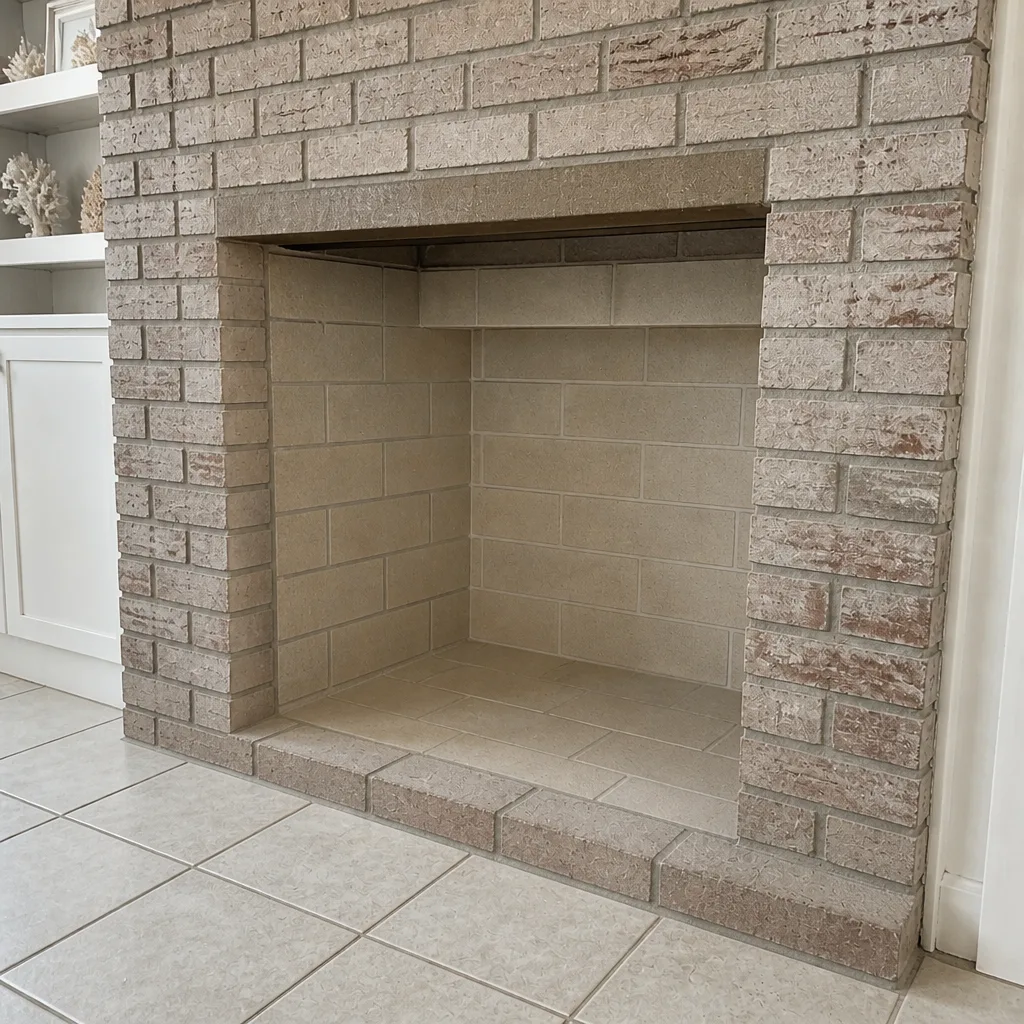
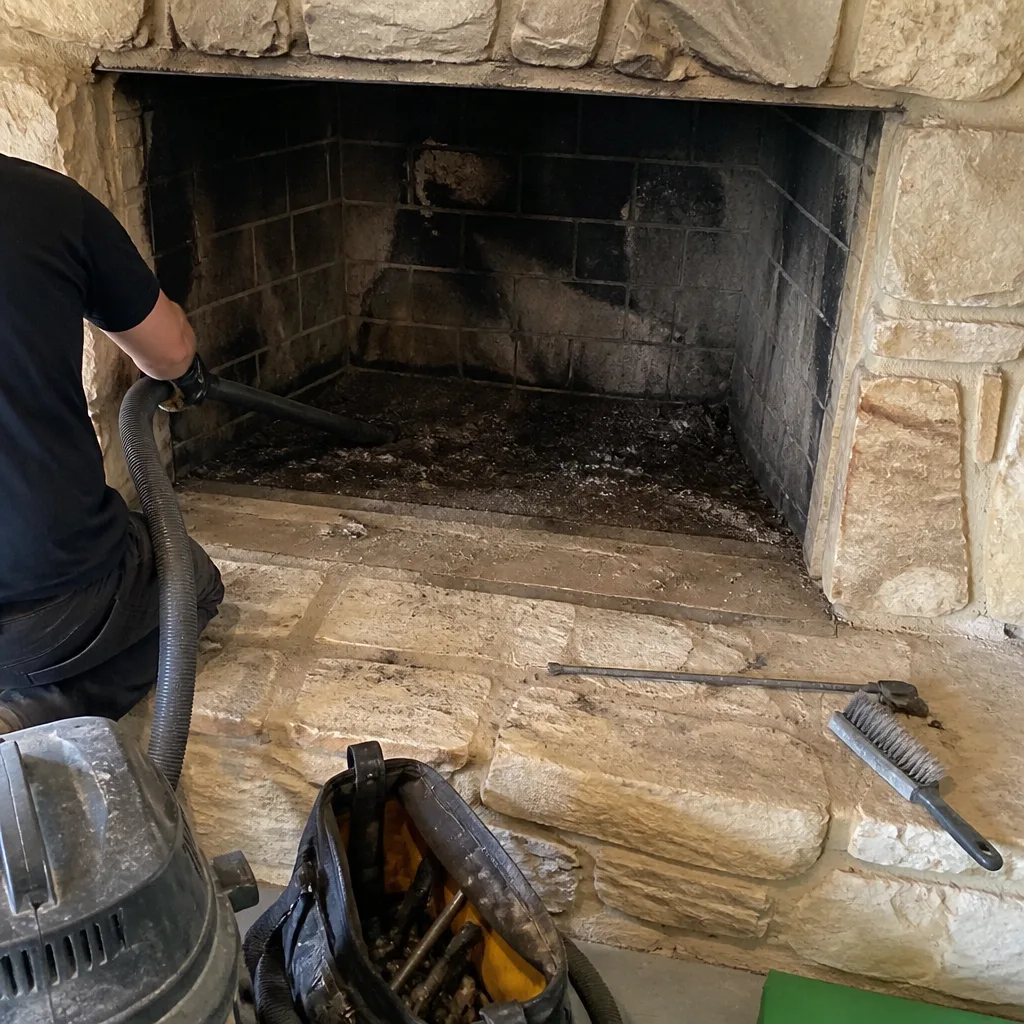
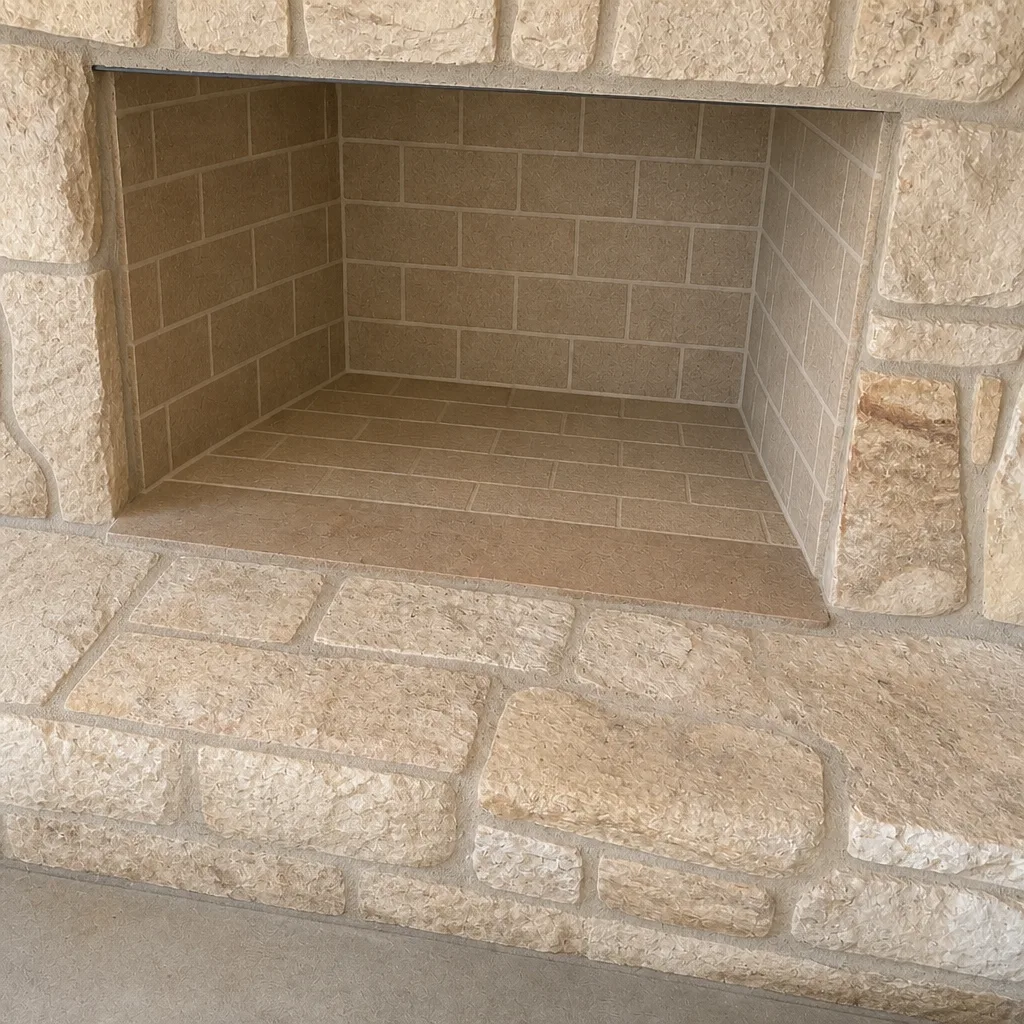
See the difference
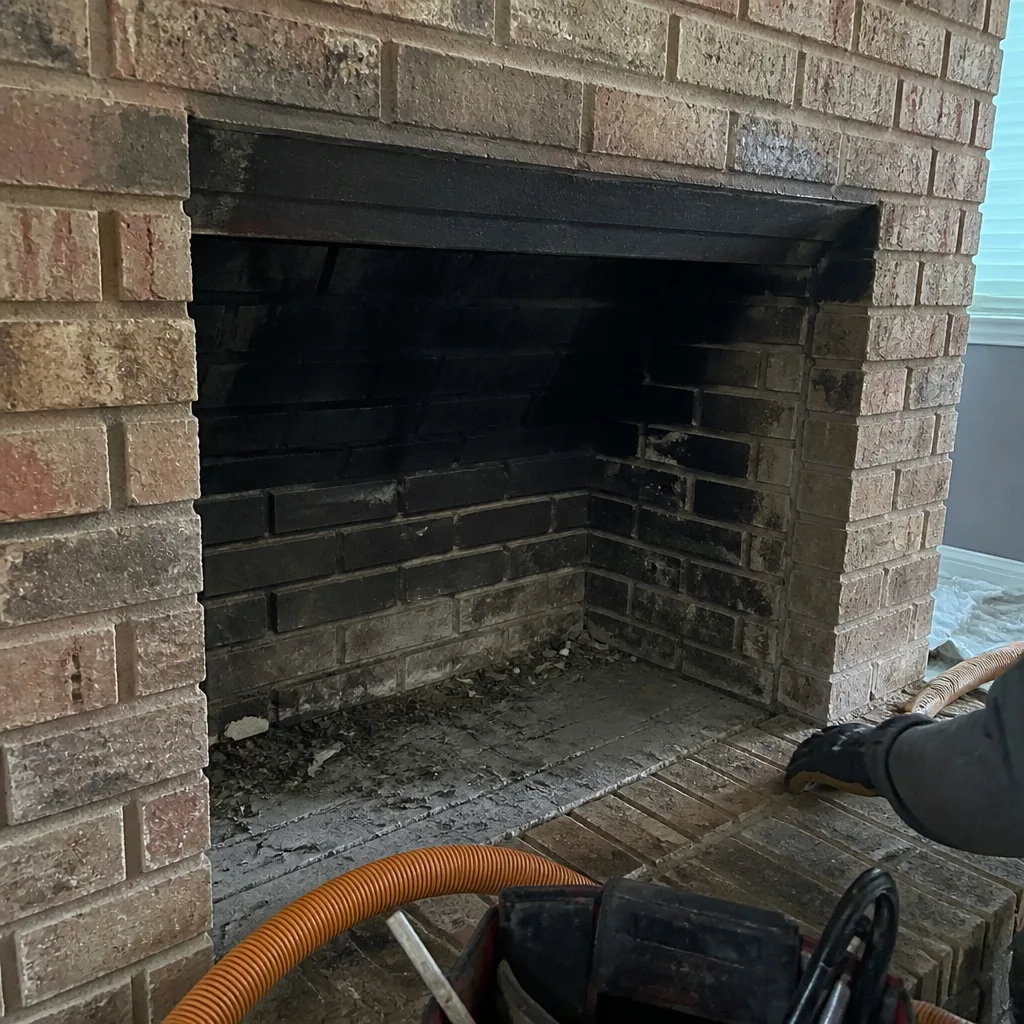 Before
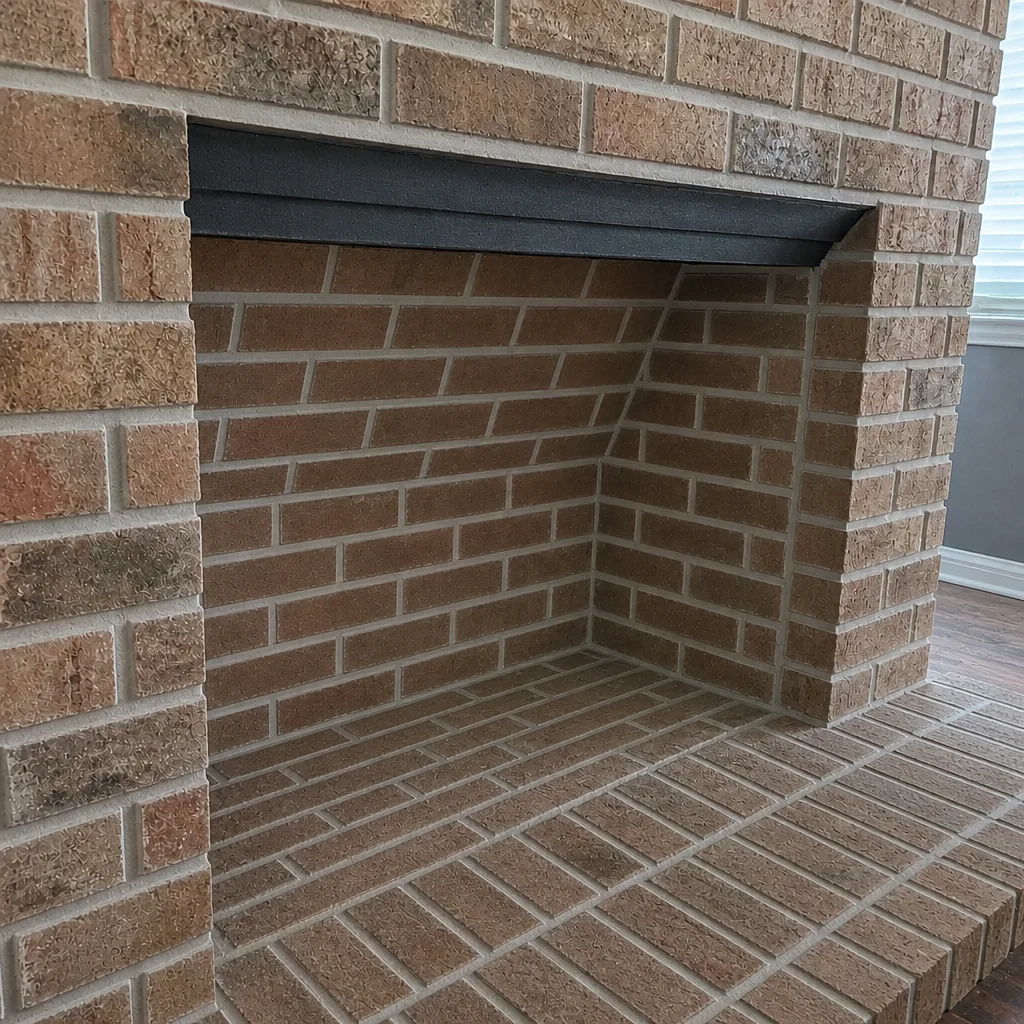 After
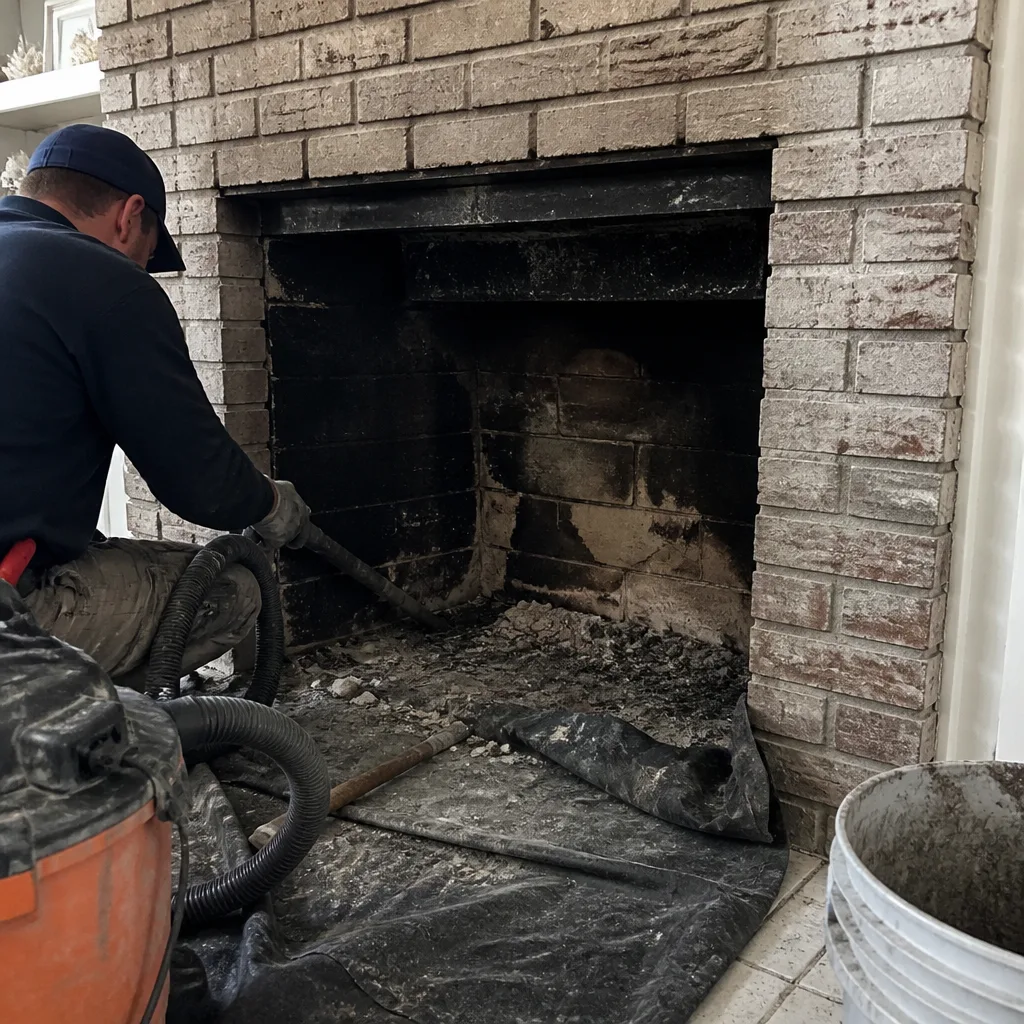 Before
 After
 Before
 After
Common Mistakes to Avoid
- Assuming a sweep is all a chimney ever needs. A sweep removes soot and light creosote. It doesn’t fix a compromised liner, a failed crown, or a deteriorating smoke chamber. If a company offering to sweep your chimney doesn’t carry the professional-grade materials to fix what it finds – DuraFlex, HeatShield, Olympia Chimney, Gelco, Famco, Copperfield – that’s the wrong company for an older Arlington house.
- Treating efflorescence as cosmetic. It’s not. White staining on the outside brick means water is moving through the masonry right now, and the repair is time-sensitive in a way most homeowners don’t realize.
- Writing off first-fire odor that never goes away. A smell that clears in twenty minutes is normal. A smell that shows up on a cold flue and stays is a warning sign that deserves a booking.
- Burning a fire to “clear” a smelly chimney. That’s the wrong response. If there’s moisture in the flue or a heavy creosote load, adding fire doesn’t help it. It just adds heat to a problem.
- Hiring a general handyman for chimney work. Chimney venting is a specialty. The codes that apply, the materials that hold up, and the inspection methods a specialist uses are not the same as what general home maintenance covers. A single-trade specialist can do the sweep, the repair, and the resurface under one call – a handyman usually ends up subbing it out or selling a patch.
- Waiting for the smell of smoke to notice anything is wrong. By the time a fire is burning smoky enough to notice downstairs, the chimney has usually been signaling for months: a white stain, a smell, a flake of mortar, a first-fire puff. The signs show up long before the fire does.
- Skipping the dryer vent during a chimney visit. Chimneys and dryer vents are both household exhaust systems, and both are common fire sources that get ignored until something goes wrong. One call covers both.
When to Call a Professional
Call a professional if you see smoke spilling into the room, smell a sharp chemical odor on a cold flue, spot glazed or tar-like creosote, or notice rust and water streaks inside the firebox – all of these are stop-burning conditions that need an inspection before you light another fire. Also call if you’ve gone a full year without a sweep while burning regularly, if you’ve just moved into an Arlington home and don’t know the chimney’s history, or if you’ve seen white staining or mortar flaking on the exterior. Thrive Chimney Sweep offers free estimates in Arlington – call (866) 942-6157. We answer 24/7. Fast dispatch from 7am to 7pm, Sunday through Friday. Our technicians have up to 12 years of experience, we work with professional-grade materials only, and if a sweep is all your chimney needs, that’s what we’ll tell you.
The Bottom Line
Most chimney failures announce themselves long before they become fires. Efflorescence, spalling, smoke spillback, firebox damage, creosote stage, and the smell test – each of these is the chimney reporting something specific, and the fix depends on which report you’re hearing. The homeowners best served by this guide aren’t the ones fixing an emergency; they’re the ones who read a white stain on the brick as a scheduled repair instead of a cosmetic problem, and who catch a Stage 2 creosote before it turns into a Stage 3. If anything in this guide reads familiar, don’t wait for a smell or a spill to confirm it. Book the inspection and let a specialist tell you what you’ve got. Visit Arlington to see how we serve the area, or call us to set the appointment. If you’re not sure whether your chimney falls into the “stop now” column or the “schedule” column, an honest phone conversation costs nothing and can save you a much bigger repair down the line.
Contact
Have a warning sign you’re not sure how to read? Call Thrive Chimney Sweep at (866) 942-6157 for a free estimate. We answer 24/7. Fast dispatch from 7am to 7pm, Sunday through Friday. We’ll tell you exactly what we find, show you the photo evidence, and write the estimate down before any work starts. If your Arlington home is due for a sweep or a repair, schedule the inspection now – before the first cold front prompts you to light a fire in a chimney that hasn’t been checked.
Written by the team at Thrive Chimney Sweep.