
Last updated November 15, 2026
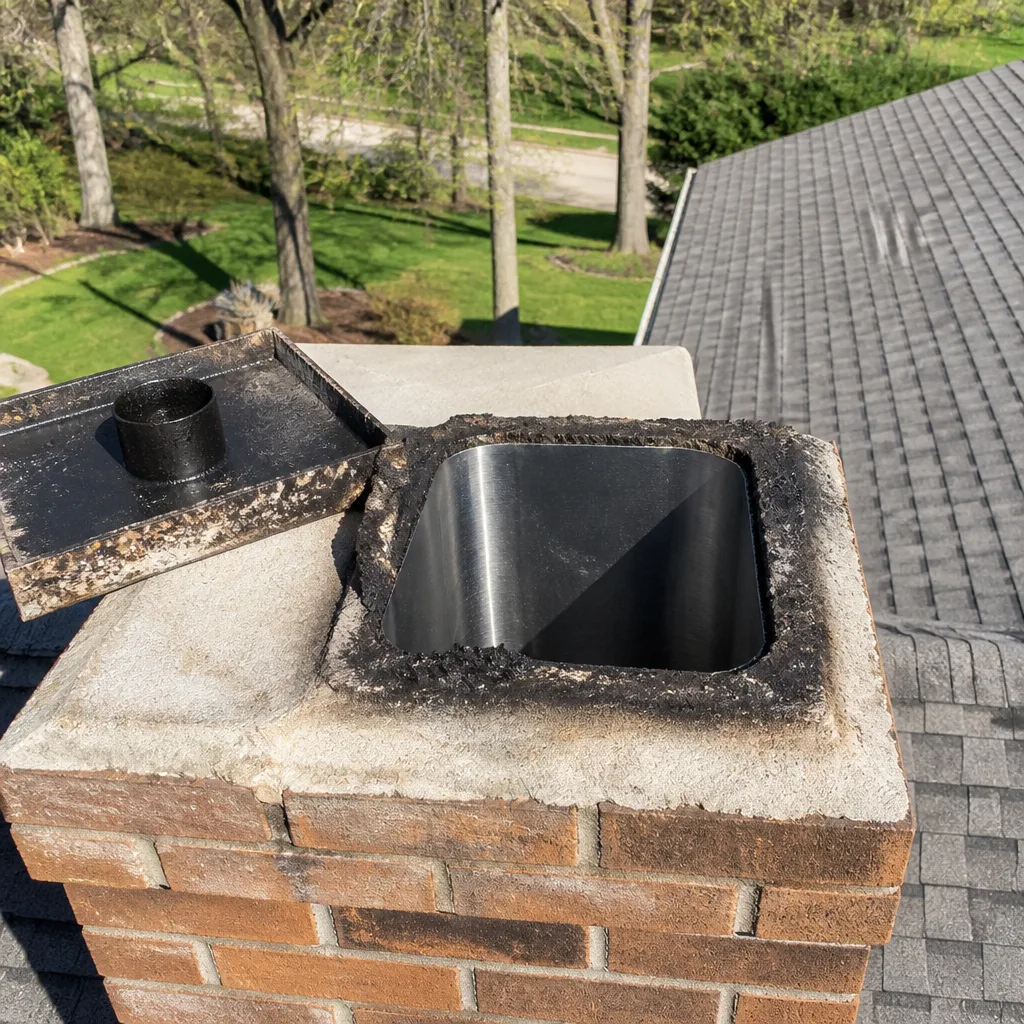 Sweep & inspection
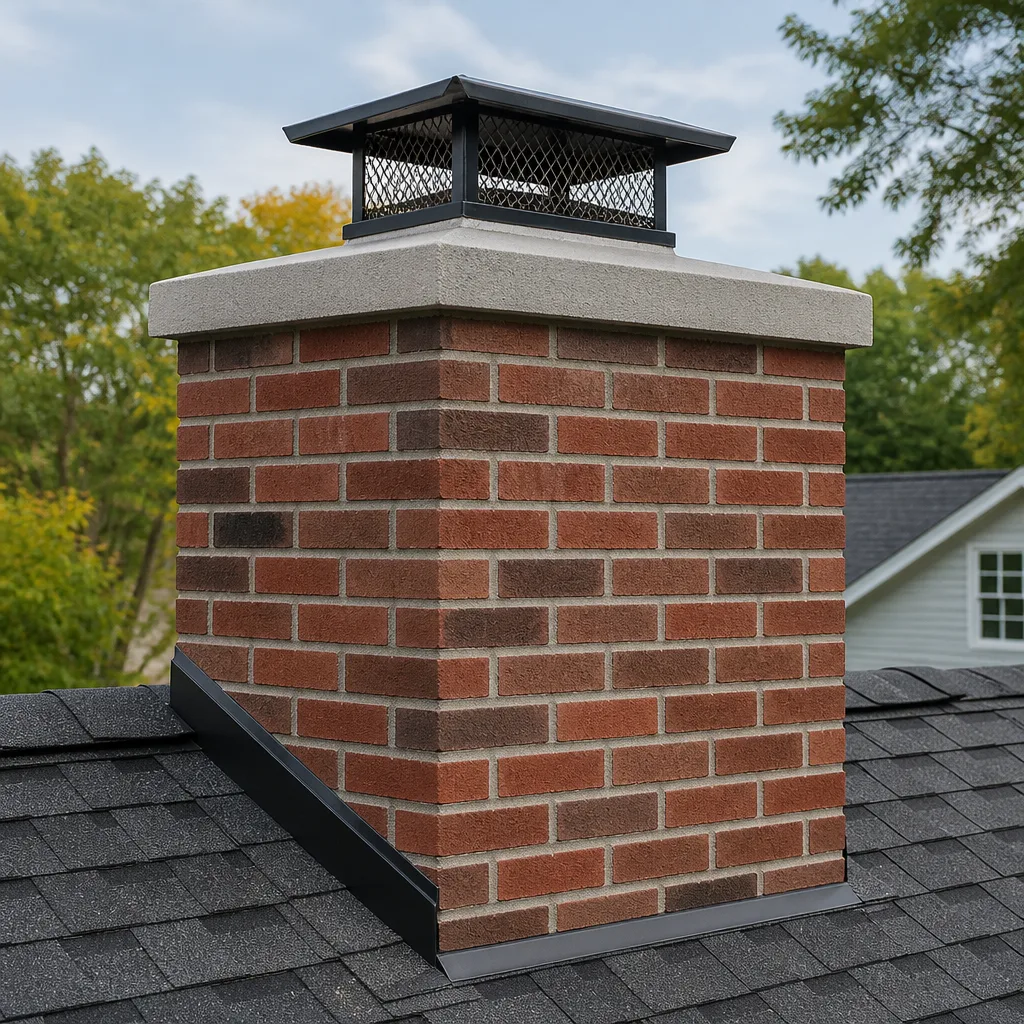 Caps & crowns
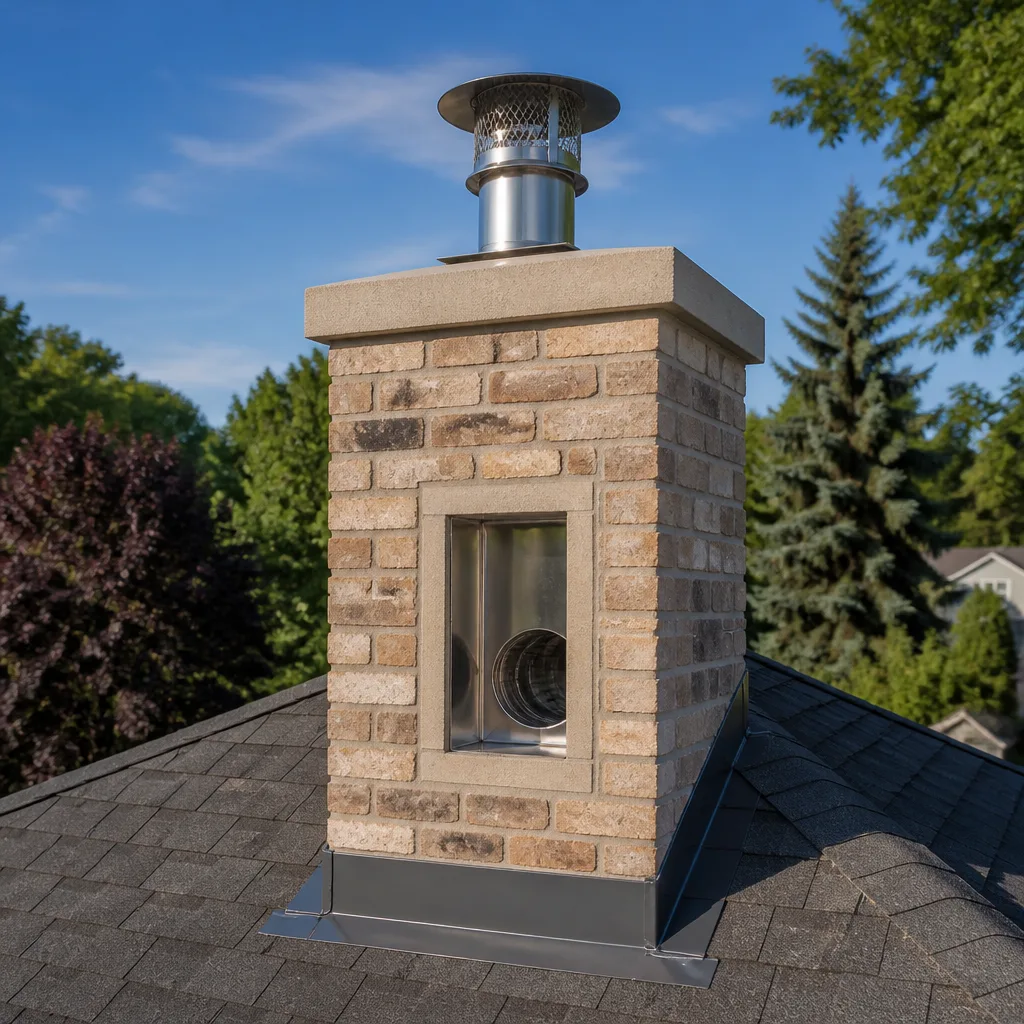 Flue relining
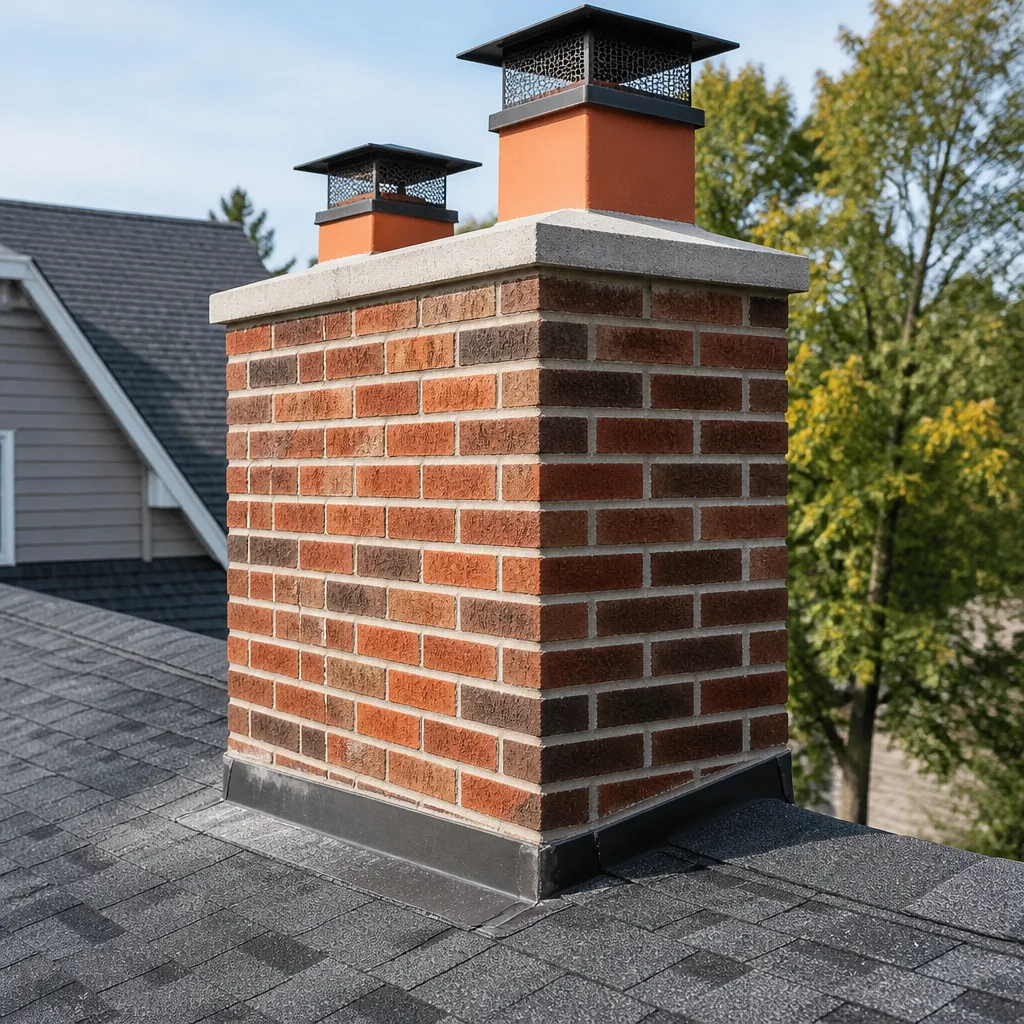 Masonry repair
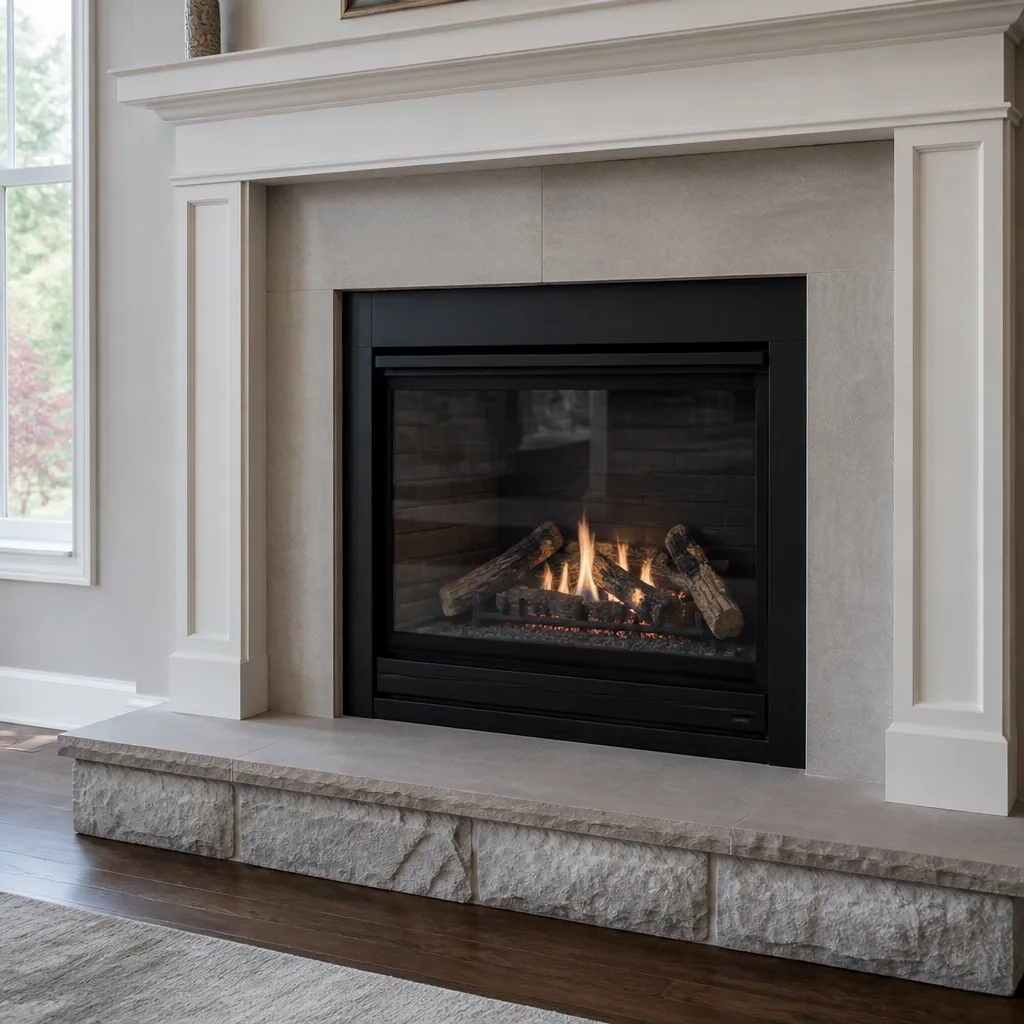 Gas fireplace service
Level 1 sweep and inspection to the NFPA 211 annual standard - flue, crown, cap, and flashing checked and photographed
Chimney sweep logs do not sweep chimneys. They loosen some creosote - which then falls where a brush and vacuum still have to collect it.
Chimney Sweep Maintenance Schedule: What to Do and When
If you burned fewer than 25 fires last winter on seasoned hardwood, your chimney probably doesn’t need cleaning yet. But it almost certainly still needs a look, because the problems that cost homeowners the most money aren’t creosote buildup, they’re the slow stuff: a hairline crack in the crown, a flue tile that’s spalled from a wet summer, a gasket gone brittle on a gas insert. A generic “clean once a year” calendar misses all of it. This guide builds a maintenance schedule around the variables that actually drive chimney wear – fuel type, burn frequency, liner material, and the humidity swings that hit Arlington masonry every year. You’ll leave knowing what to check, when to book it, and what can safely wait.
Quick Answer
Most Arlington homeowners need a professional chimney inspection once a year and an actual cleaning based on usage, not the calendar: roughly every cord of wood burned, every 50 to 70 fires, or whenever creosote reaches 1/8 inch on the flue walls. Gas and pellet appliances follow a different interval built around the venting system rather than soot. Book the inspection in spring after your last fire, not in fall when every sweep in North Texas is booked out.
Styles & brands we work with
- Sweep & inspection
- Caps & crowns
- Flue relining
- Masonry repair
- Gas fireplace service
Table of Contents
- Why You Need Two Calendars, Not One
- The Usage-Based Cleaning Matrix: Wood, Gas, and Pellet
- What Arlington Humidity Does to Masonry (Independent of Burns)
- Your Annual Inspection Schedule, Step by Step
- Liner-Specific Intervals: Stainless Flex, Clay Tile, and HeatShield
- The Spring Window: Why Arlington Repairs Cost Less Hassle in April Than October
- Don’t Forget the Dryer Vent on the Same Schedule
- A Month-by-Month Homeowner Checklist
Why You Need Two Calendars, Not One
Here’s the misconception we run into most: that cleaning and inspection are the same appointment, done for the same reason, on the same clock. They aren’t. Cleaning is a maintenance task driven by how much fuel you’ve burned. Inspection is a diagnostic task driven by time and conditions, and it needs to happen whether or not there’s anything to sweep.
A chimney can be spotless and still be dangerous. We’ve seen flues with almost no creosote that had a cracked crown letting water into the masonry behind the firebox. We’ve seen gas fireplaces with zero soot and a venting connection that had worked itself loose. A brush and a vacuum find neither of those things. An inspection with a camera does.
So the schedule splits:
- Cleaning calendar – triggered by fuel burned, fire count, and visible creosote depth. Varies widely by household.
- Inspection calendar – triggered by time. Once a year for most homes, with a second look after any event that could have changed the structure: a chimney fire, a lightning strike nearby, settling, or a major storm.
In Arlington, that inspection has an extra job, because our climate does things to masonry that a dry climate doesn’t. We’ll get to that below. The point for now: if you’re only booking a sweep when the flue looks dirty, you’re skipping the half of maintenance that catches problems while they’re still cheap to fix.
If you want the full picture of what a proper inspection includes and what we document, that’s covered on our main Thrive Chimney Sweep page.
The Usage-Based Cleaning Matrix: Wood, Gas, and Pellet
Creosote accumulates at wildly different rates depending on what you burn and how hot you burn it. A wood stove run hot with dry hardwood for two hours a night produces far less creosote than the same stove choked down for slow, smoldering overnight burns. Here’s how the thresholds break down by appliance.
Wood-Burning Fireplaces and Stoves
Clean when any one of these is true:
- You’ve burned roughly one cord of firewood since the last cleaning.
- You’ve had 50 to 70 fires since the last cleaning.
- Creosote on the flue walls reaches 1/8 inch – this is the standard trigger, and it’s measurable.
- You smell a strong campfire odor in the room on humid or windy days, which often means the flue is loading up.
Unseasoned or “green” wood changes this math fast. Wet wood burns cooler, which means more unburned compounds condensing on the flue. If you’ve been burning wood that sizzles or hisses, treat the cleaning interval as shorter than the numbers above.
Gas Fireplaces and Inserts
Gas doesn’t produce creosote, so the “how often should it be cleaned” question has a different answer: the venting system still needs an annual inspection and cleaning of the logs, burner, and vent path. The real risk with gas is not soot, it’s a blocked or disconnected vent and the carbon monoxide that follows. Annual inspection catches that. Cleaning is usually light, but it’s not optional.
Pellet Stoves
Pellet appliances produce ash, not creosote, and ash accumulates quickly. Plan on a thorough cleaning at least once a year, and more often during heavy heating months – ash builds up in the vent and exhaust path and can restrict airflow, which affects how the stove burns. The venting system should be inspected on the same annual cycle as any other appliance.
One quick way to think about it: wood is measured in cords and fires, gas is measured in years, pellet is measured in bags burned. Whichever fuel you use, our chimney sweep visit includes a camera inspection and a photo report so you can see exactly what we saw.
What Arlington Humidity Does to Masonry (Independent of Burns)
North Texas isn’t a hard-winter climate, and that’s the trap. Because our winters are mild, chimneys here don’t get the deep freeze most people associate with masonry damage. But the humidity is relentless, and our seasons swing. A warm, wet spring followed by a dry, hot summer, then another wet fall, is the cycle that does the slow damage.
Three things follow from that, and none of them care how many fires you burned:
- Water is the main enemy of masonry. Brick and mortar absorb moisture, and that moisture expands and contracts as the temperature swings. Over years, that movement opens hairline cracks in the mortar joints and the crown – the concrete cap on top of the chimney.
- The crown is where it starts. A cracked crown lets water run down into the chimney structure, where it can reach the flue tiles and the framing around the firebox. What looks like a cosmetic crack at the top of the chimney is a leak path into the house.
- Spalling flue tiles are a real risk here. Clay flue tiles that stay damp through a humid season can spall – the surface flakes off in layers. A spalled tile narrows the flue and can block it. That’s an inspection finding, not a cleaning finding.
This is why the Arlington inspection calendar is separate from the cleaning calendar. A homeowner who barely uses their fireplace and skips the annual inspection can end up with more structural damage than a heavy burner who’s been diligent. We’ve seen it in older Arlington neighborhoods where the chimneys have been through decades of wet springs and dry summers.
If a sweep tells you the masonry is fine without ever looking at the crown or the flue from the top, ask them to look. That’s the whole point of the diagnostic side of the visit.
Your Annual Inspection Schedule, Step by Step
Here’s the sequence we recommend, and the same one we follow in the field. It’s built to catch problems in the order they tend to become expensive.
- Book the inspection for spring. After your last fire of the season, before the fall rush. In Arlington the fall window fills up fast because everyone thinks of the chimney at the first cool night.
- Have the firebox and flue inspected from the bottom. This is the internal view of the firebox, damper, smoke shelf, and the lower section of the flue.
- Have the chimney inspected from the top. The crown, the cap, the brick and mortar, the flashing where the chimney meets the roof, and the flue from above.
- Get a camera inspection of the full flue. The lower and upper views each catch things the other misses. A camera run through the full length catches cracks, gaps, and offsets that neither end reveals.
- Ask for the photo report before anything is recommended. Nothing should be scheduled off a verbal description. You should see the evidence, and the report should tell you which findings are urgent and which can wait a season.
- Schedule the cleaning only if the inspection calls for it. If it doesn’t, you should be told so in plain terms, and it shouldn’t cost you a second visit.
- Repeat annually. One inspection per year, cleaning on the usage-based timetable from the matrix above.
One more note: if you’ve had a chimney fire, even a small one you put out yourself, get an inspection immediately regardless of where you are in the calendar. A chimney fire can crack flue tiles without any visible sign from inside the house. Don’t wait for the next annual visit.
Liner-Specific Intervals: Stainless Flex, Clay Tile, and HeatShield
Your liner material changes both how often you inspect and what you’re looking for. A stainless flex liner is a fundamentally different maintenance animal from an original clay tile flue, and HeatShield resurfacing is a third thing entirely.
Stainless Flex Liners
A stainless flex liner is a modern, continuous flue that eliminates the joints where clay tile fails. For cleaning, it still follows the usage matrix above. For inspection, the annual look matters mainly to check the connections at the top and bottom, confirm the cap is intact, and verify the appliance connection hasn’t loosened. A properly installed stainless liner is the most durable flue option, but “durable” doesn’t mean “maintenance-free” – the annual inspection is what confirms it’s still doing its job. We install and work with DuraFlex because it’s a professional-trade liner built for exactly this kind of venting, not a hardware-store substitute.
Original Clay Tile
Clay tile is the most common original liner in older homes, and it’s the one that needs the most attention. The tiles are joined in short sections, and those joints are where cracks and offsets start. On the annual camera inspection we’re looking specifically for:
- Cracked tiles, especially at the joints
- Spalled surfaces (the flaking described earlier)
- Missing or shifted tiles
- Gaps between tiles, which can allow heat and gases into the surrounding masonry
A single cracked tile isn’t a “replace the whole liner” situation, but it does need a decision, and the decision should be based on the camera image, not a guess.
HeatShield-Resurfaced Flues
HeatShield is a resurfacing system that rebuilds the inside of a damaged flue rather than replacing it. If your flue has been resurfaced, the annual inspection shifts focus: you’re confirming the resurfaced surface is intact, checking the top and bottom terminations, and looking for any new cracking around the joints. A properly resurfaced flue is a repaired flue, not a brand-new one, and it earns its inspection just like any other liner. This is also one reason we carry HeatShield: resurfacing is a repair capability, and most sweep-only services don’t offer it.
The practical takeaway: when you book an inspection, the technician should know what your liner is before they open anything. If they can’t tell you whether you have clay tile, a stainless liner, or a resurfaced flue, that’s a signal.
The Spring Window: Why Arlington Repairs Cost Less Hassle in April Than October
Timing is leverage. Every chimney problem has a window when fixing it is easiest and a window when it’s hardest, and in Arlington the difference follows the seasons.
From about mid-October through the first cold snaps, the demand for chimney work spikes. Everyone remembers the fireplace the first night it’s cold enough to light one, which means every sweep in the area is booked, and any repair that needs to happen is competing with a long line of other repairs. A cracked crown discovered in October often becomes an early winter problem that has to wait.
The spring window is the opposite. After your last fire of the season, from roughly March through May, the demand drops sharply. That matters for two reasons:
- Repairs get scheduled quickly instead of sitting behind a fall backlog.
- Water damage gets caught before the next wet season, when a small crack turns into a bigger one.
The “book it in fall” advice that gets repeated every year is backwards for a repair decision. Fall is when you want the chimney ready to use, which means spring is when you want the inspection that finds what needs fixing. The two are the same calendar, read in the right direction.
That’s the reasoning behind our own push to book the inspection in the spring: it’s the cheapest time to find out whether the chimney is ready, because there’s still a season to fix it in before you need it. If you’re in Arlington and you’re not sure where you are in the cycle, Arlington homeowners can call to book the spring inspection now.
Don’t Forget the Dryer Vent on the Same Schedule
A maintenance schedule that covers only the chimney misses one of the leading household fire causes. Lint buildup in a dryer vent is a fire risk on its own, completely separate from anything happening in your firebox, and it accumulates on a schedule that has nothing to do with how many fires you burn.
For most households, a professional dryer vent cleaning once a year is the right baseline. Add to that if:
- You have a large household doing multiple loads a day.
- Clothes are taking noticeably longer to dry than they used to.
- The outside vent flap doesn’t open fully when the dryer runs.
- You’ve noticed lint accumulating behind or around the dryer.
We handle dryer vent cleaning as part of the same visit as a chimney sweep, which means one appointment covers both venting systems in the house. It’s a whole-home venting approach, and it’s why we include it in the schedule rather than treating it as a separate service you have to remember to book.
A Month-by-Month Homeowner Checklist
A simple year-round view of what to do when. Adjust the months to your own burn schedule.
- March to May: Book the annual chimney inspection and the dryer vent cleaning. This is the repair window – any findings get fixed before fall.
- June to August: If the inspection found masonry or crown issues, this is when the structural repair happens. Our dry summer is the best weather for it.
- September: Confirm the cap is in place and the flue is clear before the first fire. Check the firewood stack – it should be seasoned and covered.
- October: First fire of the season. Watch for smoke rolling back into the room, which means the flue is restricted or the firebox is under-drafting.
- November to February: Burn season. Keep a mental count of fires and cords. If you cross the cleaning threshold from the matrix, call for a sweep.
- Throughout: After any chimney fire, storm, or visible change to the masonry, get an inspection regardless of the calendar.
The other thing to do throughout: keep the firewood dry. Seasoned hardwood, covered, off the ground, is the single biggest factor in how fast your flue loads up, and it costs nothing to get right.
A properly functioning flue isn’t just comfort, it’s fire safety. We treat it that way, and the schedule above is how.
Common Mistakes to Avoid
- Treating “annual cleaning” as the whole maintenance plan. The annual appointment is an inspection first. Booking a sweep only when the flue looks dirty means the structural problems, which is most of what actually goes wrong, never get caught.
- Waiting until fall to book. In Arlington, fall is the worst time to discover a repair is needed, because the demand for chimney work spikes right when you need it. Spring is the smarter window for the inspection.
- Burning unseasoned wood to save money. Wet wood burns cooler and leaves more creosote on the flue, so the savings on the wood show up as a shorter cleaning interval. Season it first.
- Ignoring a small crown crack because it’s “just cosmetic.” In our humid climate, the crown is the entry point for water into the whole chimney structure. A hairline crack in spring is a bigger crack after a wet summer.
- Assuming a gas fireplace doesn’t need inspection. Gas doesn’t produce creosote, but a blocked or disconnected vent is a carbon monoxide risk. Annual inspection is not optional on gas.
- Skipping the dryer vent because it’s not a chimney. Lint is a fire fuel, and it accumulates independently of your firebox. It belongs on the same schedule.
- Approving a repair without seeing the evidence. If you’re told you need a new liner or masonry work, ask to see the camera footage. Nothing should be recommended without it.
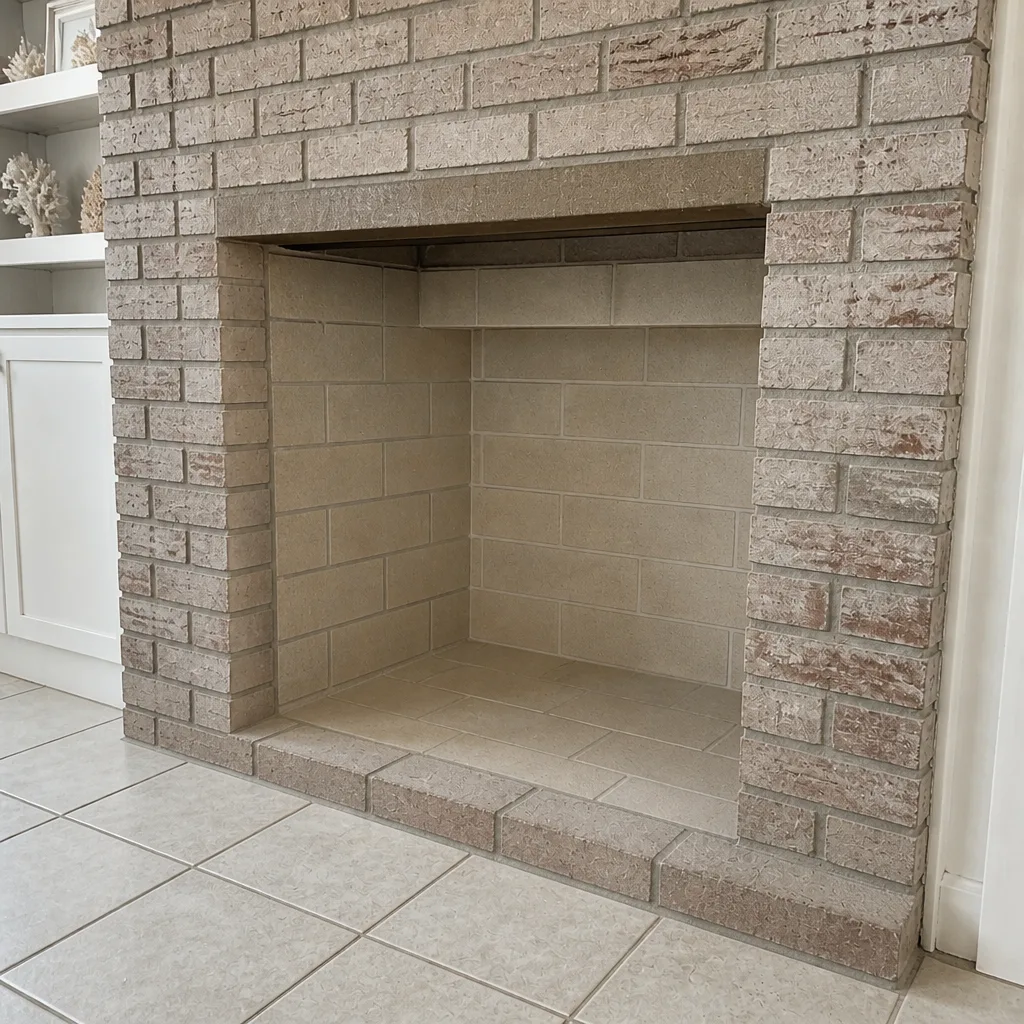
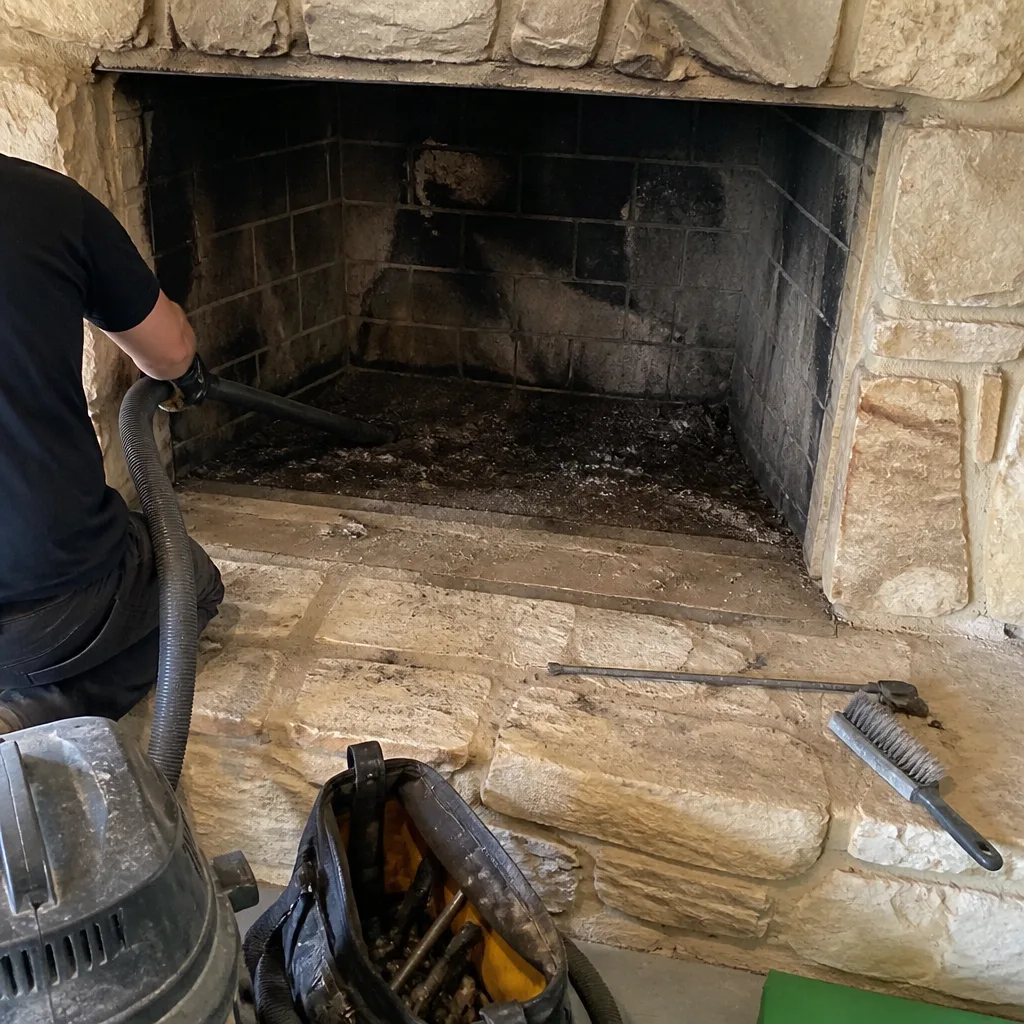
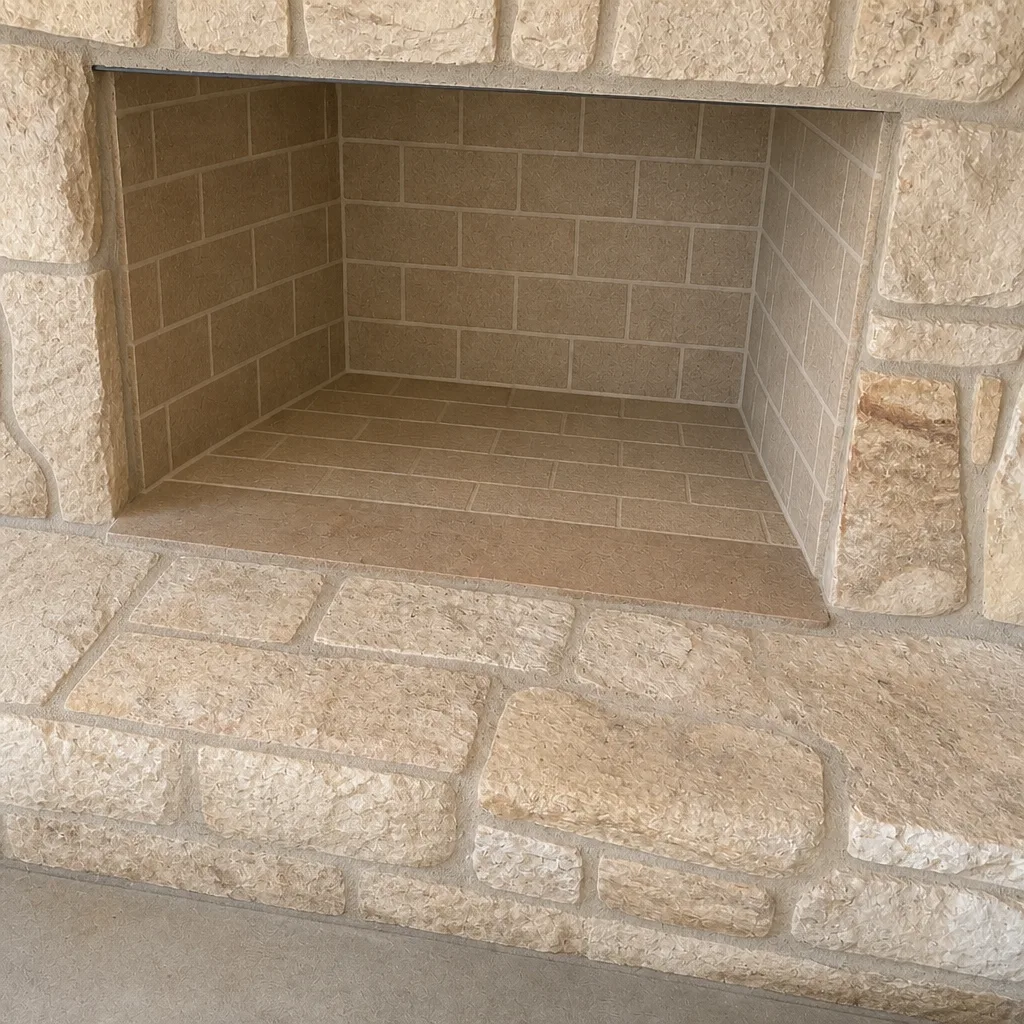
See the difference
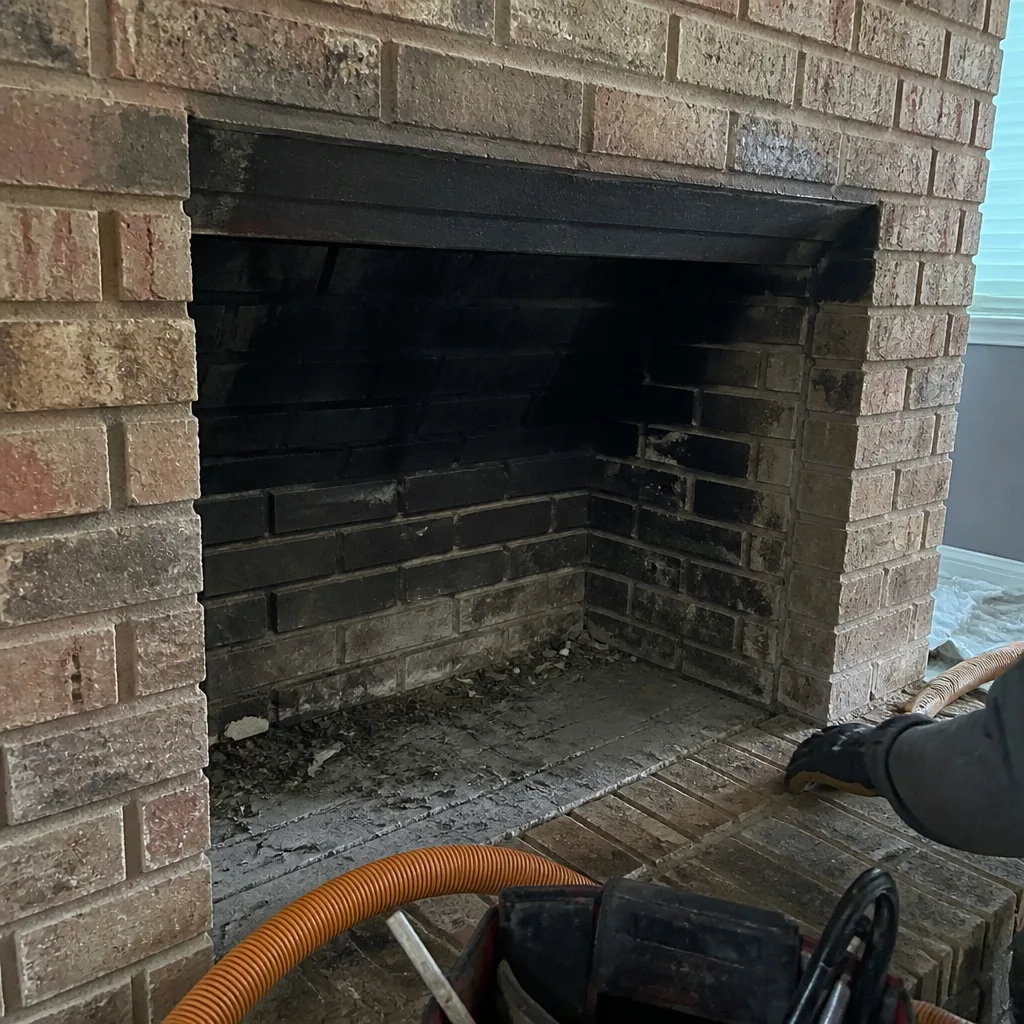 Before
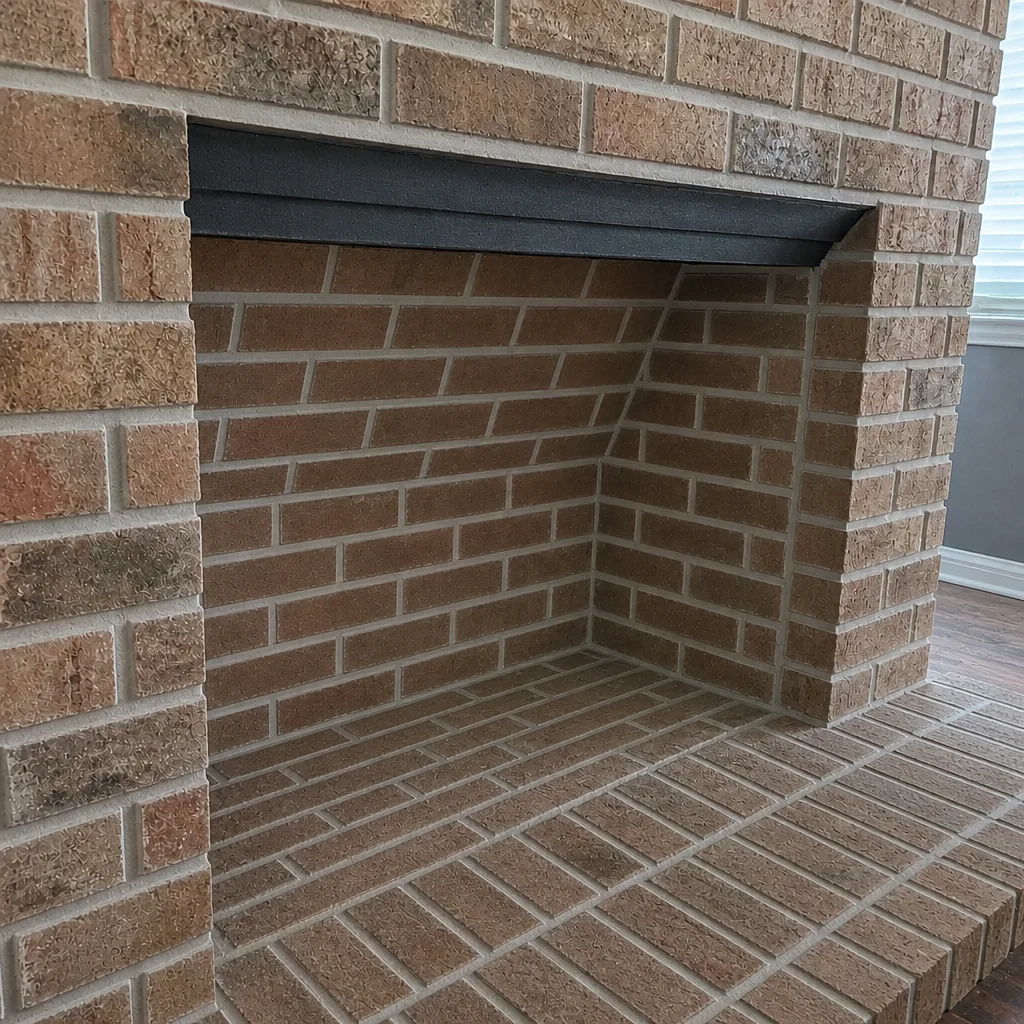 After
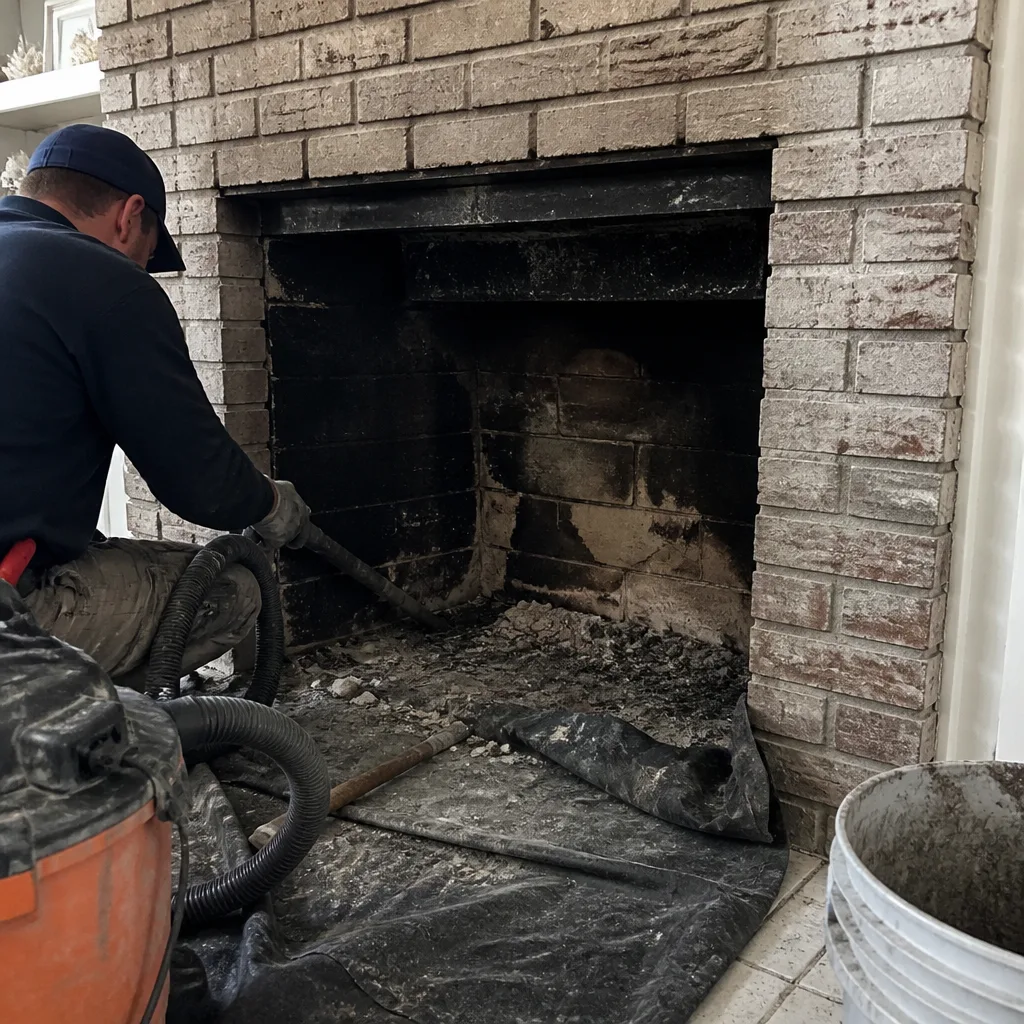 Before
 After
 Before
 After
When to Call a Professional
Some situations don’t wait for the annual calendar. Call us if you’ve had a chimney fire, even one you put out yourself. Call if smoke rolls back into the room when you light a fire, if you smell a strong creosote odor on humid days, or if you can see cracked or missing mortar on the chimney from the ground. Call if the masonry looks damaged after a storm, or if the firebox or flue has any visible gap. And call if you’ve moved into a home and don’t know the last time the chimney was inspected, because the previous owner’s schedule won’t tell you what shape it’s in now. Thrive Chimney Sweep offers free estimates in Arlington. Call (866) 942-6157. We answer 24/7. Fast dispatch from 7am to 7pm, Sunday through Friday.
Frequently Asked Questions
For wood-burning fireplaces, clean when you’ve burned about one cord of wood, had 50 to 70 fires, or the creosote on the flue walls reaches 1/8 inch, whichever comes first. Gas fireplaces don’t need cleaning on a soot schedule but do need an annual venting inspection. Pellet stoves need an annual cleaning with more frequent attention during heavy heating months. Call (866) 942-6157 for an exact quote – estimates are free.
Yes, and light use is not a reason to skip it. The problems the annual inspection catches are usually structural, driven by time, moisture, and temperature swings rather than fire count – a cracked crown, a spalling flue tile, a masonry crack letting water in. In Arlington’s humid climate, a barely used chimney can be in worse shape than a heavily used one. The inspection is cheap; the water damage it prevents is not.
Two things. First, creosote builds up in the flue, and at higher concentrations it becomes a real chimney fire risk. Second, and often more expensive, small structural problems – a crown crack, failing mortar, a cracked tile – go unaddressed and get worse with each wet season, turning a minor repair into a major one. Skipping the schedule is how a small finding becomes a large bill. Call (866) 942-6157 for an exact quote – estimates are free.
For the inspection and any repair, yes. Fall is when demand for chimney work spikes, so repairs found in fall often wait behind a backlog. Spring, after your last fire of the season, is when demand drops and there’s still a full season to complete repairs before the next burn season. Fall is the right time to confirm the chimney is ready to use, which means spring is the right time to find out what needs fixing.
No. Gas fireplaces don’t produce creosote, so the cleaning triggers on the wood matrix don’t apply. What they do need is an annual inspection of the venting system, logs, and connections, because a disconnected or blocked vent is a carbon monoxide risk. Treat the annual inspection as standard on gas, and let a technician tell you whether the cleaning that visit is light or involved.
Yes. Lint accumulation is a leading household fire cause and builds up independently of anything happening in the firebox. For most households, a professional dryer vent cleaning once a year is the right baseline, more often for large households or if clothes take longer to dry. Combining it with the chimney sweep means one appointment covers both venting systems. Call (866) 942-6157 for an exact quote – estimates are free.
The Bottom Line
The right maintenance schedule isn’t a single annual cleaning. It’s an annual inspection that catches structural problems before they spread, plus a cleaning that runs on a usage-based timetable for your specific appliance. In Arlington, add the humidity factor: wet springs and dry summers put pressure on masonry whether or not you burn a single fire, which is why the annual inspection matters even in a light-use household. Book the inspection in spring, clean on the matrix, keep the dryer vent on the same schedule, and demand camera evidence before any repair is approved. That combination catches the problems that matter and leaves the rest alone.
If you’re in Arlington and you’d like to put a proper schedule in place for your home, Thrive Chimney Sweep is one call for the sweep, any repairs, and the dryer vent. We carry professional-grade materials from DuraFlex and HeatShield, we tell you exactly what we find and what it means, and we handle the full job – cleaning, resurfacing, liner installation, and structural repair. Call (866) 942-6157 for a free estimate. We answer 24/7. Fast dispatch from 7am to 7pm, Sunday through Friday.
Written by the team at Thrive Chimney Sweep.