
Last updated November 15, 2026
 Sweep & inspection
 Caps & crowns
 Flue relining
 Masonry repair
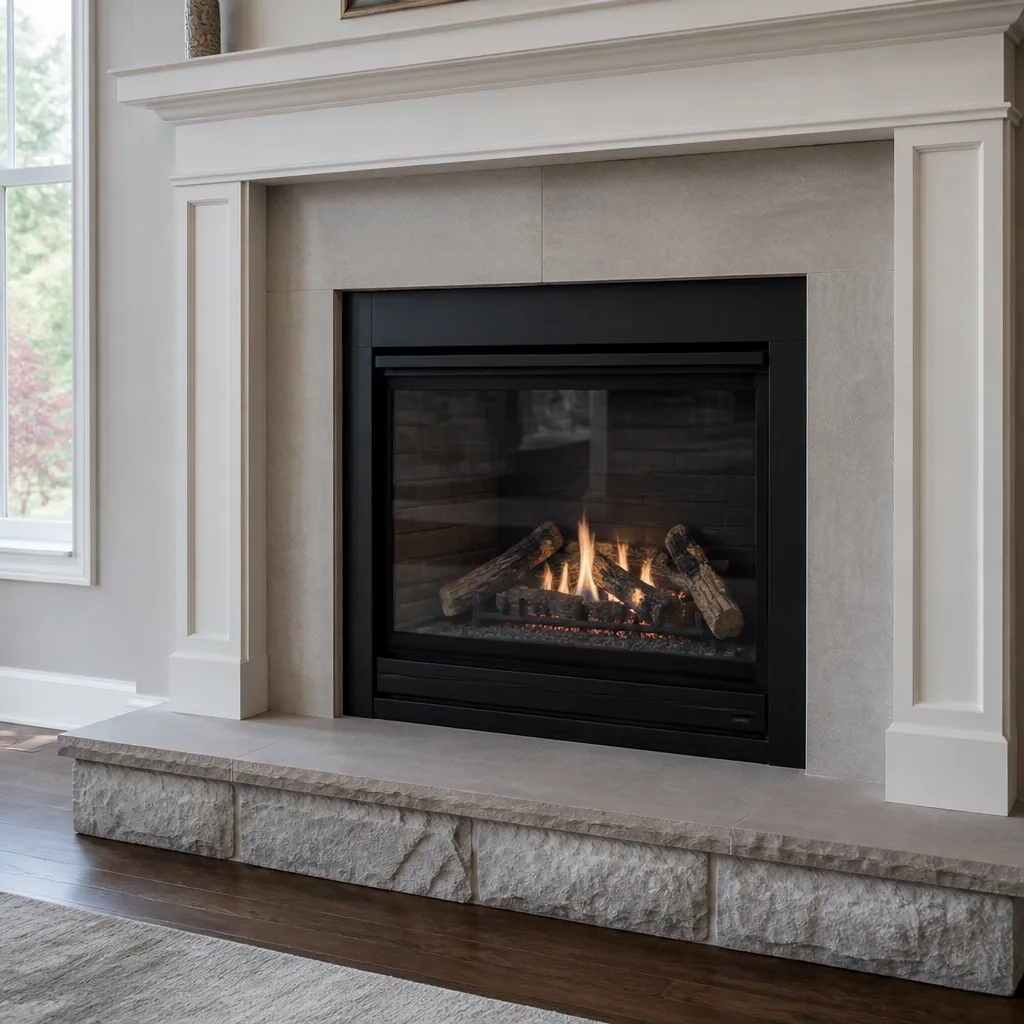 Gas fireplace service
Level 1 sweep and inspection to the NFPA 211 annual standard - flue, crown, cap, and flashing checked and photographed
Chimney sweep logs do not sweep chimneys. They loosen some creosote - which then falls where a brush and vacuum still have to collect it.
Chimney Sweep Troubleshooting in Arlington: Common Problems and How to Fix Them
Smoke rolling back into your living room after a fresh cleaning isn’t proof your sweep did bad work. It’s usually a sign the real problem was never a dirty flue to begin with. Most chimney troubles homeowners blame on the last technician fall into four diagnosable conditions: draft pressure, structural damage, creosote buildup, and crown or cap defects. Each one has its own symptoms, and each one calls for a different fix. A cleaning solves one of those four. It does nothing for the other three. This guide gives Arlington homeowners a symptom-first framework, so you can stop guessing at the cause and start solving it.
Quick Answer
Most chimney problems in Arlington come down to one of four root causes: poor draft from a tightly sealed house, structural damage inside the flue, heavy creosote, or a failing crown or cap. A sweep fixes creosote. The other three need repair work before cleaning will make any real difference. Match your symptom to the cause first, then decide what to book.
Styles & brands we work with
- Sweep & inspection
- Caps & crowns
- Flue relining
- Masonry repair
- Gas fireplace service
Table of Contents
- The Four Root Causes of Chimney Failure
- Why Smoke Comes Back Into the House
- Negative Pressure in Tightly Sealed Arlington Homes
- The Smell-After-Rain Diagnostic
- What a Cleaning Fixes and What It Doesn’t
- Structural Damage, Crowns and Caps
- Creosote Buildup and What It Signals
- Two DIY Fixes That Make Things Worse
- Common Mistakes to Avoid
- When to Call a Professional
- Frequently Asked Questions
The Four Root Causes of Chimney Failure
Every chimney problem we troubleshoot traces back to one of four conditions. Sorting your symptom into the right bucket is the whole game. Get the category right and the fix usually follows.
1. Draft pressure issues. The chimney pulls smoke up and out only when air can flow in to replace it. When the house is too tight or the flue is undersized, the flue stalls and smoke backs up. There may be nothing physically wrong with the masonry at all.
2. Structural damage. Cracked flue tiles, gaps between tiles, deteriorated mortar joints, or a flue that was never lined in the first place. The flue leaks gases or fails to contain heat. Cleaning doesn’t touch this.
3. Creosote buildup. The residue of incomplete combustion, coating the flue walls in layers. It narrows the flue, restricts draft, and at its most advanced stage becomes combustible. This is the one a sweep genuinely solves.
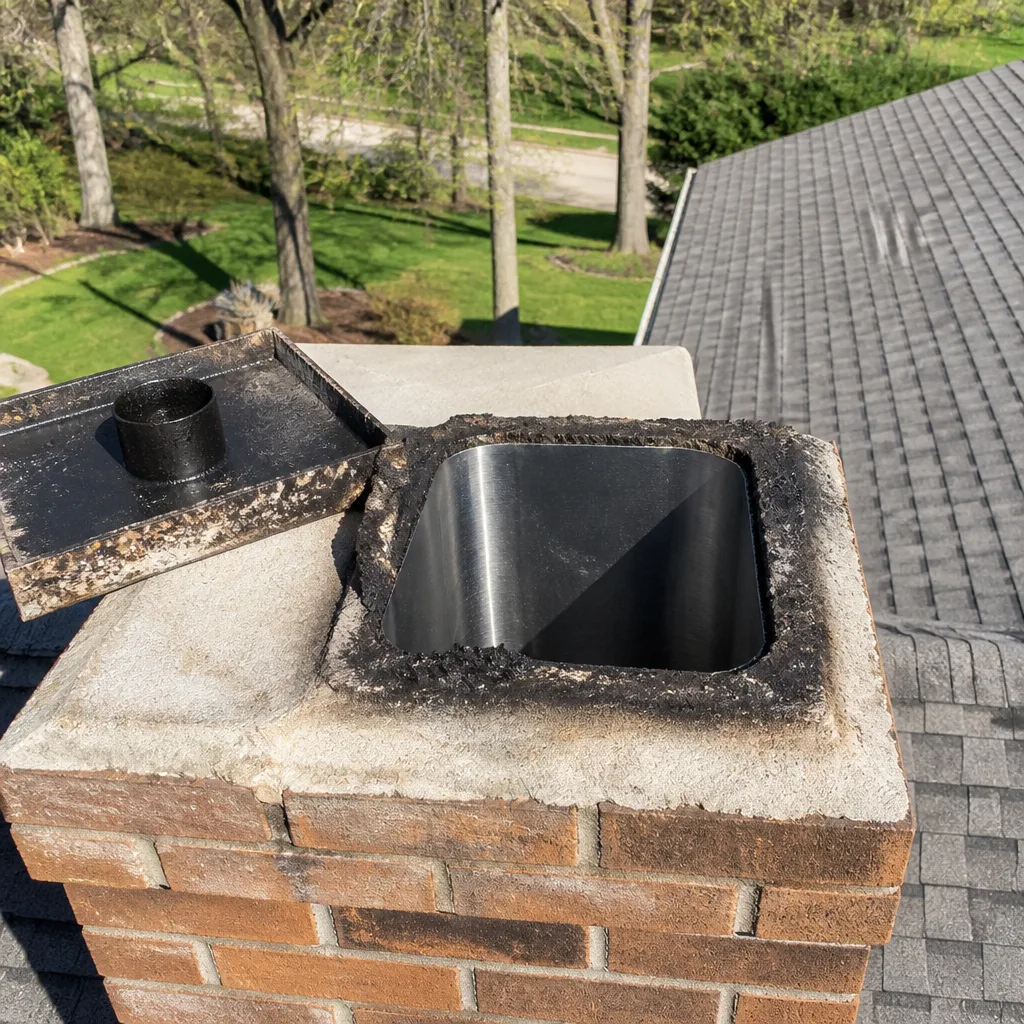
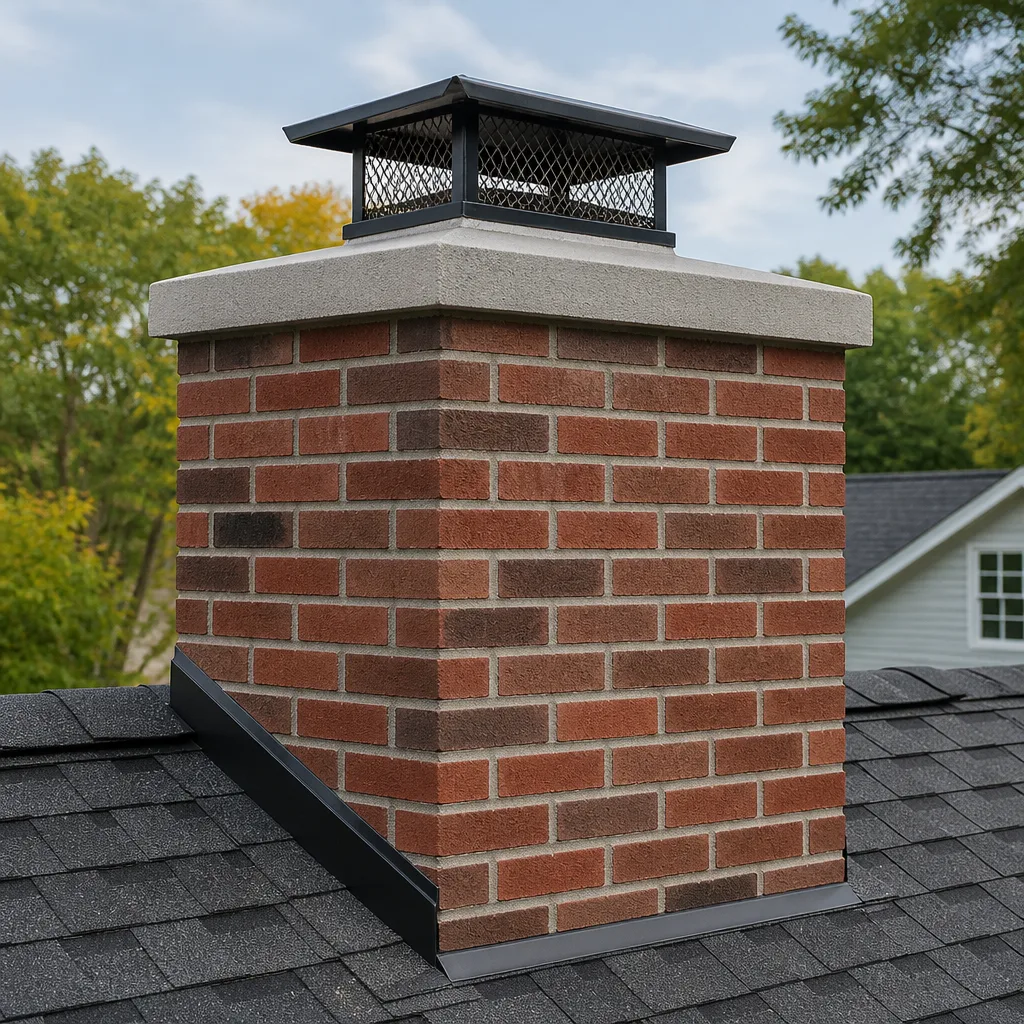
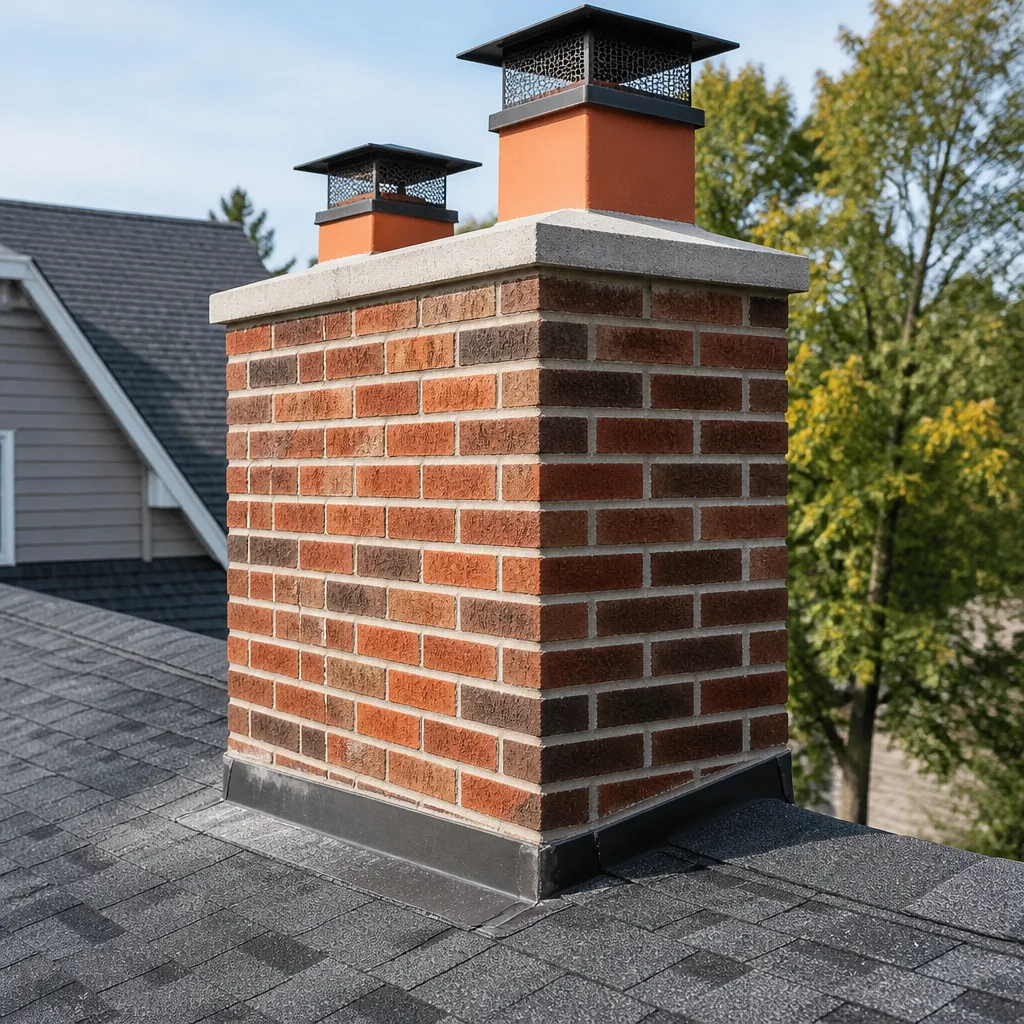
4. Crown and cap defects. The crown is the concrete top of the chimney that sheds water away from the structure. The cap covers the flue opening. When either cracks or fails, water gets in and animals and debris get down the flue.
Here’s why this matters for Arlington homeowners: these four problems produce overlapping symptoms. Smoke in the room looks the same whether the cause is a bird’s nest, a tight house, or a cracked flue. That’s why guessing is expensive and diagnosing is cheap. A sweep with a camera can tell you which of the four you’re dealing with in a single visit, and nothing gets recommended until you’ve seen the evidence yourself.
If you need a baseline cleaning before any of that diagnostic work, start with a proper chimney sweep. But go in knowing that cleaning and diagnosing are two different things, and only one of them tells you what’s actually wrong.
Why Smoke Comes Back Into the House
Smoke coming into the house means the chimney is losing the draft contest to something else. The tricky part is that “something else” can be structural, mechanical, or just a house that’s too well sealed. Same symptom, four different culprits.
When a homeowner calls us about smoke backing up in Arlington, we work through a checklist in a specific order:
- Check for an obstruction. Nests, leaves, a collapsed flue tile, or debris near the damper will stall draft instantly. A camera look confirms it.
- Check the flue size against the fireplace opening. An oversized opening on a small flue is a classic draft killer. The fireplace simply demands more air than the flue can move.
- Check the house pressure. A tight modern home pulls air the chimney needs. This is the one homeowners never think of, and in newer Arlington construction it’s common.
- Check the cap height and condition. A cap too short, or a chimney that terminates too close to the roof ridge, can let wind push smoke back down.
Here’s the practical point. If the cause is an obstruction, a cleaning fixes it. If the cause is flue size or house pressure, cleaning never will, no matter how many times it’s done. Think of the difference this way: a dirty flue restricts flow, while a tight house starves it. Both leave you with a smoky room. Only one of them responds to a brush. We’ve watched homeowners pay for repeat cleanings that couldn’t possibly have helped, because the diagnosis was wrong from the start. Getting the cause nailed down first is the entire reason we don’t skip the camera look. One free estimate, one clear answer, and you’ll know which of the four conditions you’re facing before you spend anything.
Negative Pressure in Tightly Sealed Arlington Homes
Modern Arlington homes are built to hold air. Good insulation, tight windows, sealed doors, and mechanical exhaust for the kitchen and bath. All of that is efficient, and all of it can rob your chimney of the air it needs to pull smoke up and out. The effect has a name: negative pressure, and it’s a leading cause of backdraft that has nothing to do with how clean the flue is.
Here’s the mechanism. A chimney drafts because warm exhaust rises and leaves through the top. That rising air has to be replaced by air coming in from somewhere. In an older, draftier house, air leaks in around windows and doors, and the chimney pulls freely. In a tightly sealed home, the only place the air can come from is down the chimney itself, which pushes smoke back into the room. When the kitchen exhaust fan, bath fan, or clothes dryer runs, it makes the imbalance worse.
How to tell negative pressure from a blockage. A few signs point straight to pressure rather than obstruction:
- Smoke backs up most when another exhaust fan is running or the furnace kicks on.
- The draft improves noticeably when you crack a nearby window.
- The flue is clean and the camera shows no nest or debris.
- The problem shows up more in the tighter, newer rooms of the house.
If opening a window fixes your smoke problem, that’s a draft pressure signal, not a cleaning signal. The permanent solutions are mechanical (an outside air source, a properly sized flue, sometimes a draft assist), and they’re repair-tier work. A brush won’t touch them. In our experience, this is the single most misdiagnosed chimney problem in Arlington, because the symptom is so convincing. It looks exactly like a dirty flue. It isn’t. That’s why we run a camera and read the house, not just the firebox, before recommending anything. When the fix is a pressure correction rather than a cleaning, we say so plainly, and we explain what the options look like, so you can decide what’s worth doing now and what can safely wait.
The Smell-After-Rain Diagnostic
A chimney that smells after rain is telling you something specific. The smell itself is usually creosote and soot becoming damp and releasing that odor into the house. The important question isn’t the smell. It’s how the water got in. That answer splits cleanly into two possibilities: structural entry or a liner issue.
If it’s structural. Water is coming through a cracked crown, a missing or damaged cap, a failed chimney chase cover, or deteriorated mortar. The chimney is acting like a straw, and the creosote inside gets soaked. You’ll typically notice the smell after storms, and you may see water staining, rust on the firebox damper, or flaking on the exterior.
If it’s a liner problem. The flue has cracks, gaps, or no liner at all, and moisture is condensing on the cold masonry from inside. This is a more serious finding because a compromised flue also leaks combustion gases into the house. A liner in poor condition means the smell after rain is a warning about gas containment, not just odor.
Sort the two apart with a simple set of checks:
- Look at the crown from the ground or a photo. Cracks radiating across the top point to structural entry.
- Check the cap. A missing or bent cap lets rain straight down the flue.
- Look for water stains or rust at the damper and firebox.
- Have the flue inspected with a camera to rule out liner damage.
The smell after rain is one place where the symptom genuinely does not tell you the cause. Don’t assume it means you need a full liner rebuild, and don’t assume it just means “the chimney needs a cleaning.” A camera inspection resolves it in one visit, and we show you the footage so you can see what we see. That photo report is included, not an add-on, and nothing gets recommended until the evidence is in front of you. For a home in the Arlington area, the inspection also lets us flag whether the cap or crown needs repair before the next rainy stretch, which is cheaper than chasing the smell twice.
What a Cleaning Fixes and What It Doesn’t
A chimney cleaning removes creosote, soot, and light debris. That’s it. That’s a real and necessary job, and it’s the fix for exactly one of the four root causes. Knowing which problems cleaning solves keeps you from paying for repeat sweeps that were never going to work.
Problems a cleaning actually fixes:
- Creosote and soot buildup restricting the flue.
- Light debris or dust that’s accumulated near the damper.
- An obstructing bird’s nest or leaves at the flue top, once removed.
- The everyday performance drop from a flue that’s simply overdue.
Problems a cleaning does not fix:
- Negative pressure or backdraft from a tightly sealed house.
- Cracked or missing flue tiles, or a flue with no liner.
- A failed crown or a missing cap that lets water in.
- An undersized flue that can’t move the volume the fireplace demands.
- Smoke entry caused by wind pressure at a poorly placed cap.
For homeowners in the older Arlington neighborhoods, the split matters even more. A decades-old chimney may sweep clean and still not draft, because the tiles behind the soot are cracked or the flue was never lined. Cleaning made it look tidy. It didn’t make it safe or functional. That’s the point where a sweep-only service runs out of tools and a specialist with repair capability takes over. A sweep that stops at the brush leaves you with a clean chimney that still misbehaves. So before you rebook a cleaning to chase the same problem, ask which of the four causes you’re actually dealing with. The answer changes everything that comes next, including whether you should be scheduling a cleaning at all or looking straight at repair.
Structural Damage, Crowns and Caps
Structural problems are the ones that don’t show up in the room until they’ve been developing for a while. The crown, the cap, the flue tiles, and the mortar joints all take a beating from weather, and each failure has a distinct symptom and a distinct repair.
The crown. The concrete cap at the top of the chimney that slopes away from the structure. When it cracks, water runs down into the chimney walls instead of off them. Left alone, that water works into the masonry and can freeze and thaw through repeated wetting. In Arlington’s mild winters this isn’t a deep-freeze scenario, but wet masonry that’s saturated over and over still deteriorates. Crown repair, resurfacing, and rebuilding all fall in the repair tier.
The cap. The cover over the flue opening. A missing or damaged cap lets rain, birds, and debris straight into the flue. It also lets sparks escape. A cap is one of the least expensive components to get right and one of the most neglected.
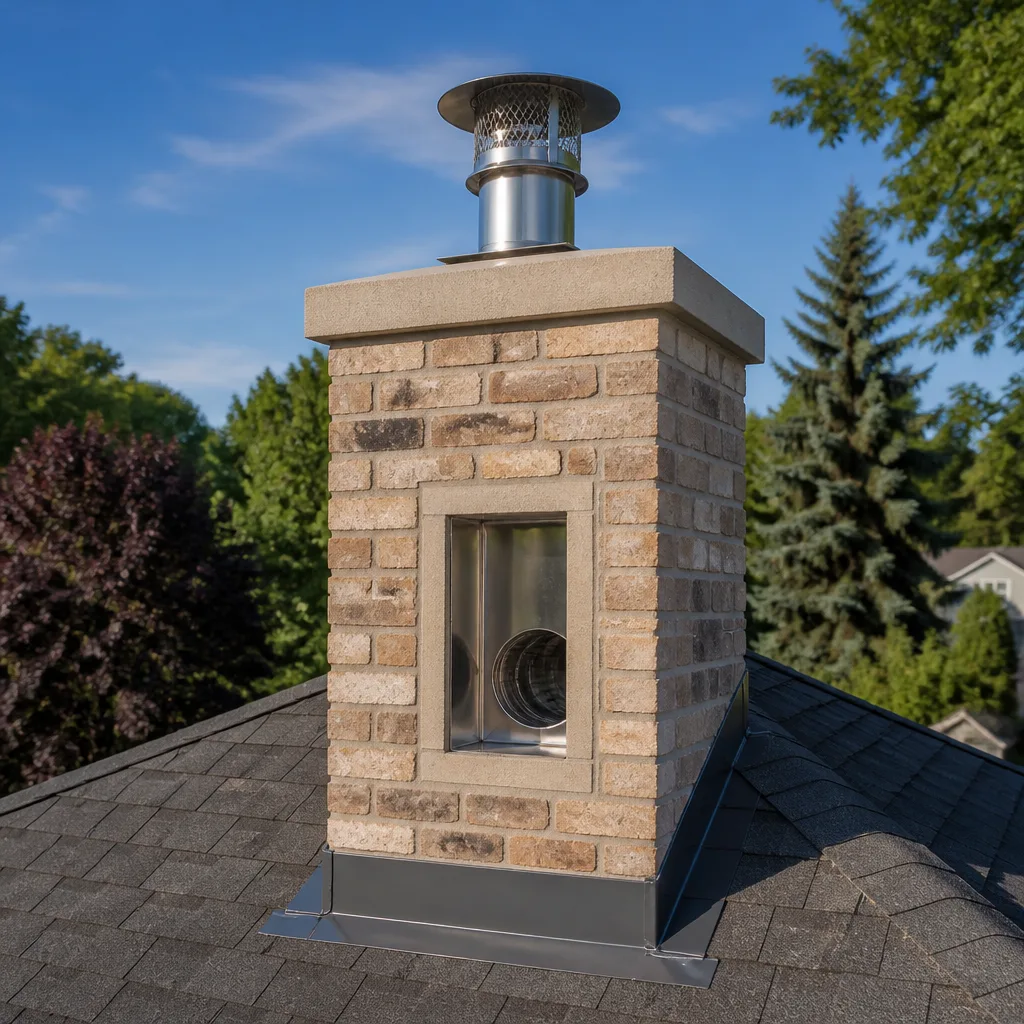
Flue tiles and liner. Cracked tiles or gaps between them leak heat and gases. Where the flue is compromised or unlined, we install a DuraFlex liner, which is a structural repair rather than a band-aid. For flue resurfacing, we use HeatShield, a repair tier most sweep-only services simply can’t offer.
Resurfacing and relining. When the flue walls are rough but sound, resurfacing can restore them. When the structure is beyond resurfacing, a new liner is the answer. This is the kind of work that benefits from professional-trade materials from makers like HeatShield, DuraFlex, Gelco, or Olympia Chimney, rather than hardware-store substitutes that may not hold up to the heat cycles a working flue sees. That’s the standard we build to. A damaged flue isn’t a cosmetic issue, and it’s not something to patch with whatever’s on the shelf at the home improvement store.
All of this is repair work, and none of it is solved by cleaning. If your structural findings come back from an inspection, the right move is a specific repair plan with a written estimate, not another sweep.
Creosote Buildup and What It Signals
Creosote is the one root cause a cleaning is built to solve, but the amount of it tells you something important. Light, dusty buildup means it’s maintenance time. Glassy, tarlike, or heavy layered creosote means your burning habits or your flue setup are producing it faster than normal, and a cleaning alone won’t change the pattern.
What causes heavy creosote:
- Burning green or unseasoned wood, or wood that’s too wet.
- Slow, smoldering fires with the damper nearly closed.
- A cold flue that never fully warms, so smoke condenses on the walls.
- An oversized flue or undersized fire, which keeps exhaust cool and slow.
Creosote matters beyond performance. In its advanced forms it’s combustible, and a flue coated in it is a fire risk. That’s the accurate reason to act, and it’s the reason chimney fires happen even in chimneys that looked fine from the hearth. It’s not a scare tactic. It’s the reason a flue with heavy buildup needs professional attention rather than a home attempt.
The fix for heavy creosote is two-part. First, a proper sweep clears it. Second, we look at why it accumulated and whether a flue-sizing or liner issue is feeding it. If every cleaning finds heavy buildup, the problem isn’t your sweep. It’s the setup or the burn. A professional-trade liner from a maker like Copperfield or Gelco, installed where the flue requires it, can bring a cold, oversized flue back into a range where it actually drafts and burns cleaner. Cleaning without fixing the cause means you’ll be right back here next season. Fixing the cause means the next cleaning finds what it should: a modest, normal layer that came from ordinary use and swept away cleanly.
Two DIY Fixes That Make Things Worse
Two home “fixes” turn up again and again, and both make the underlying problem worse. We understand the instinct. Smoke in the room is alarming, and the nearest solution feels obvious. Here’s why neither works.
Blocking the damper. People sometimes block the damper, or close it tight, to stop smoke and smells from coming into the room. It seems to solve the symptom and it makes the real problem worse. A closed or blocked damper traps moisture and gases in the flue, accelerates corrosion, and forces combustion products back into the living space if the fireplace gets used. Worse, it can mask a serious structural or pressure problem by hiding the symptom that would have sent you to get real help. The flue needs to breathe. Blocking it doesn’t fix the draft, it just changes where the problem shows up.
The “hot burn-off” fire. The other common attempt is building a hot, roaring fire to “burn off” the creosote. This is genuinely dangerous. Creosote in its heavy forms is combustible, and a hot fire can ignite it, which is exactly how a chimney fire starts. A chimney fire can damage the flue and spread into the structure. Never try to burn off creosote. It’s the one thing that can turn a maintenance problem into an emergency.
Both of these belong in the same category: attempts to solve a flue condition from the firebox. The real fix happens at the flue, with a camera and the right tools. Cleaning, resurfacing, or relining according to what the inspection shows is the answer. The two home fixes do neither. If you’ve already tried one and things got worse, that’s not a reason to panic. It’s a reason to get a proper look before you try anything else. For fire-safety work beyond the chimney, the same principle applies. A dirty dryer vent cleaning is another lint-and-heat problem that people try to handle at home, and it belongs with a trained eye too. We treat the whole venting system that way, because that’s what it takes to keep it genuinely functional.
Common Mistakes to Avoid
- Repeating the cleaning to chase the same symptom. If two cleanings haven’t fixed the smoke, the cause isn’t dirt. It’s pressure, structure, or a cap, and no amount of sweeping will reach it.
- Assuming the smell after rain means you need a rebuild. It might just be a missing cap. Get the camera evidence before agreeing to liner work; the right answer is often much smaller than the quote.
- Blocking the damper to stop odors. It hides the symptom and traps moisture in the flue. It makes the actual problem harder to diagnose, not better.
- “Burning off” creosote with a hot fire. That’s how chimney fires start. Heavy creosote needs a professional sweep, not a bigger fire.
- Burning wet or green wood to save money. It produces more creosote per fire and loads the flue faster. Properly seasoned wood is cheaper over a season than the extra cleanings.
- Ignoring the crown and cap until the chimney leaks. Both are small repair items early and bigger structural items once water has had time to work into the masonry.
- Hiring a sweep-only service for a repair-tier problem. If the flue needs resurfacing or relining, the job needs a specialist with repair capability, not just a brush and a vacuum.
When to Call a Professional
Some chimney problems can wait, and some shouldn’t. Call a professional if smoke enters the room, if the chimney smells after rain, if you see cracked tiles from the top or a damaged crown, if there’s rust at the damper, if the flue has heavy creosote, or if the chimney has never been inspected with a camera. Call right away if you’ve had a chimney fire or a sudden strong smell of gas. On the chimney side, these are the signals that a trained technician should look, and the reason Thrive Chimney Sweep offers free estimates in Arlington. Call (866) 942-6157. We answer 24/7. Fast dispatch from 7am to 7pm, Sunday through Friday, and we’re closed on Saturday. You’ll get the evidence, the diagnosis, and a plain-spoken answer about what can safely wait and what should be handled now.
Frequently Asked Questions
Because the cause of the smoke wasn’t creosote to begin with. Cleaning removes buildup, soot, and light debris. It doesn’t fix negative pressure from a tightly sealed house, a cracked or missing flue liner, a failed crown or cap, or an undersized flue. If a fresh cleaning didn’t stop the smoke, the next step is a camera inspection to identify which of those four conditions you actually have, not another cleaning. Call (866) 942-6157 for a free estimate and a real diagnosis.
It usually means water is getting in and soaking creosote, which releases that odor into the house. The key question is how the water got in. It’s either structural, through a cracked crown, a missing cap, or failed mortar, or it’s a liner issue where a compromised flue lets moisture in from inside. Both need a camera inspection to tell apart. Call (866) 942-6157 and we’ll look before recommending any repair.
Yes, in one specific way. A tightly sealed home makes it harder for the chimney to draw replacement air, which can cause backdraft and smoke in the room even in a clean flue. This is a draft pressure issue, not a dirt issue. If opening a nearby window improves your draft, that’s a strong sign of negative pressure. Call (866) 942-6157 for a free estimate; the fix is mechanical, not a cleaning.
No, and please don’t. Creosote in its heavy forms is combustible, and a hot fire can ignite it, which is exactly how a chimney fire starts. Heavy buildup needs a professional sweep, and a look at why it’s building up faster than normal. The same goes for blocking the damper to stop odors. It hides the symptom and traps moisture. Call (866) 942-6157 for a free estimate.
Match the symptom to the cause. If the issue is buildup, soot, or light debris, a cleaning solves it. If it’s backdraft, cracked tiles, a failed crown, or a missing liner, cleaning won’t help and a repair will. The reliable way to tell is a camera inspection. Ours includes a photo report you can look at yourself, and nothing gets recommended without that evidence in front of you. Call (866) 942-6157 for a free estimate.
Stop using the fireplace and get the chimney inspected before you burn again. A chimney fire can damage the flue in ways that aren’t visible from the firebox, and continuing to burn can leak gases. Call (866) 942-6157. We answer 24/7. A call outside dispatch hours is booked into the next opening, Sunday through Friday, 7am to 7pm. The inspection tells you what the fire did and what needs repairing.
The Bottom Line
Most chimney problems in Arlington aren’t caused by bad sweeping. They’re caused by one of four conditions: draft pressure, structural damage, creosote, or crown and cap defects. A cleaning solves the creosote piece and nothing else. The rest needs diagnosis and, where warranted, repair. Sort your symptom into the right category first, get the camera evidence, and only then decide what to book. That order keeps you from paying for repeat cleanings that were never going to work, and from agreeing to liner work you can’t verify. When you’re ready to find out what’s actually going on, Thrive Chimney Sweep connects you with trained technicians who show their findings and explain the fix. If you’re in the broader Arlington area and want to know how things usually go here, our local page has the details. Call (866) 942-6157 for a free estimate. We answer 24/7, with fast dispatch from 7am to 7pm, Sunday through Friday.
Written by the team at Thrive Chimney Sweep.
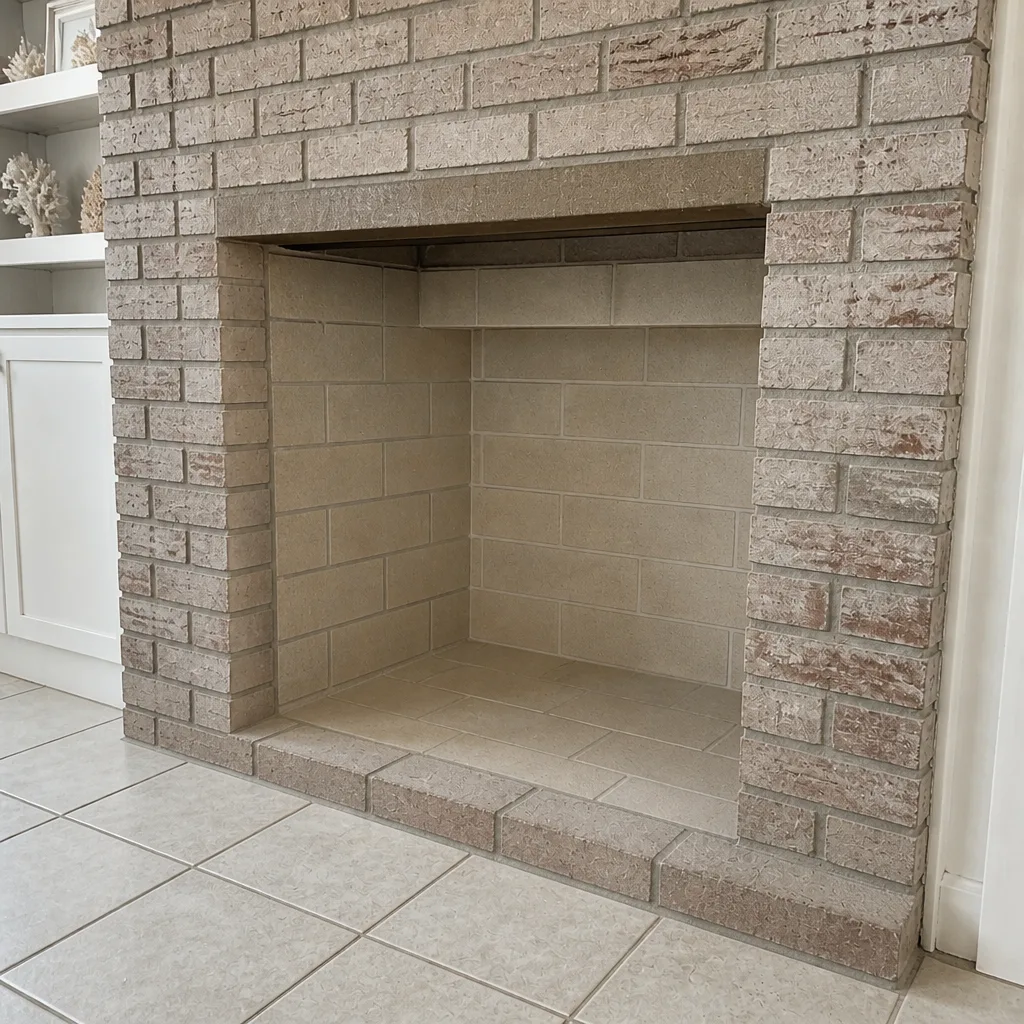
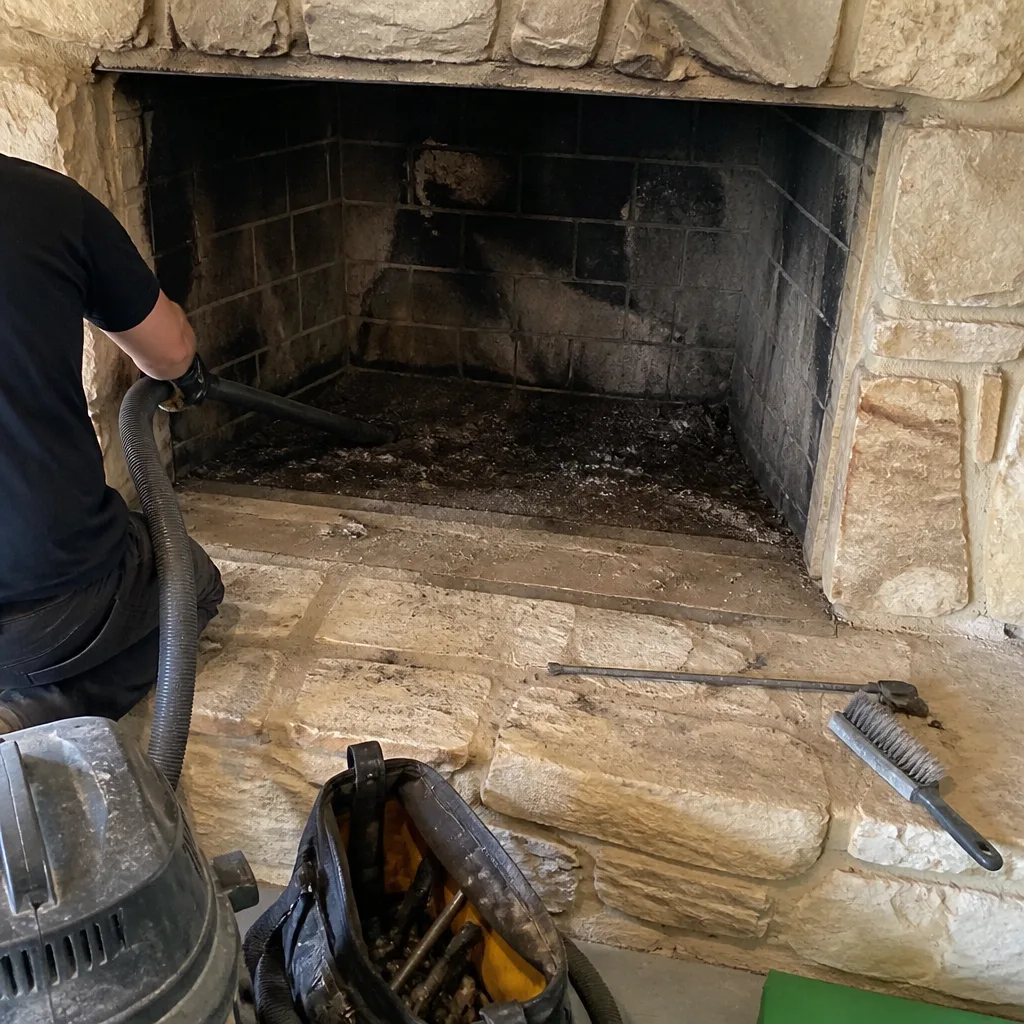
See the difference
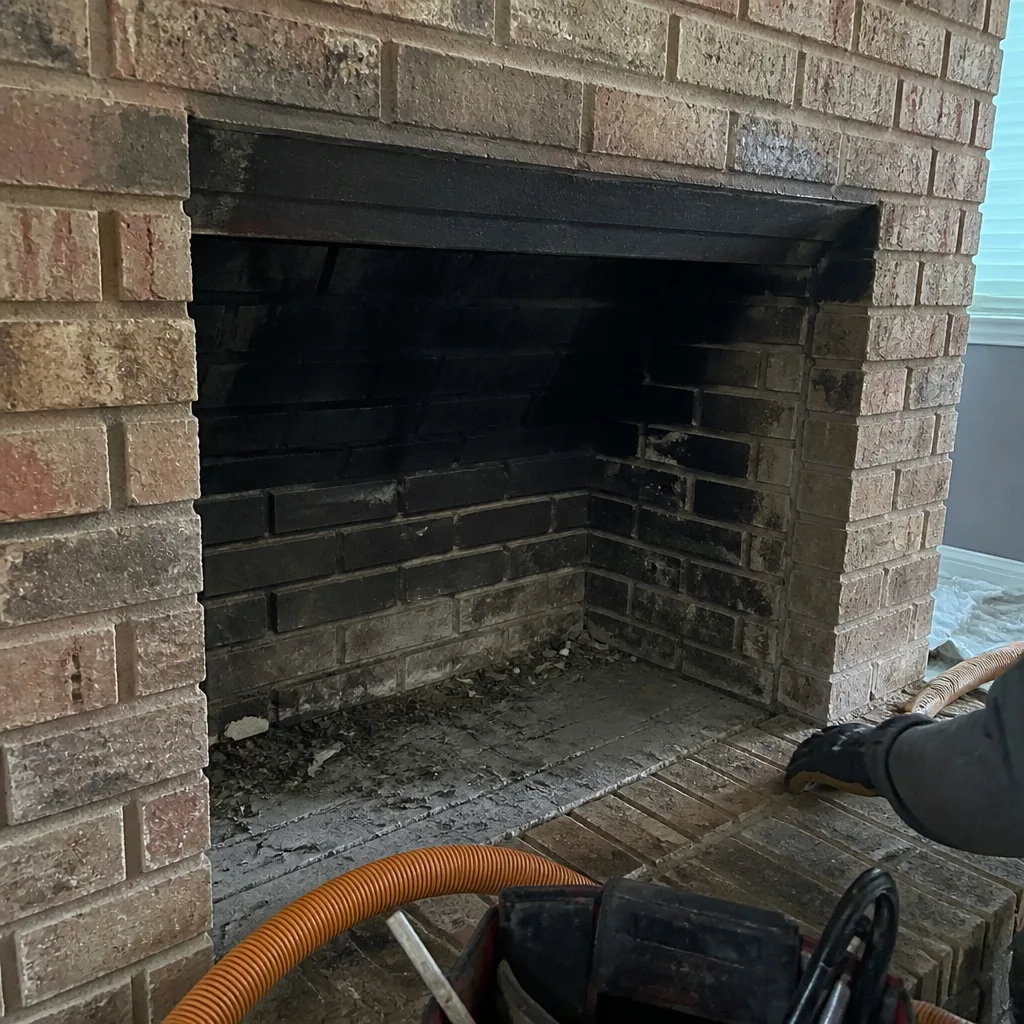 Before
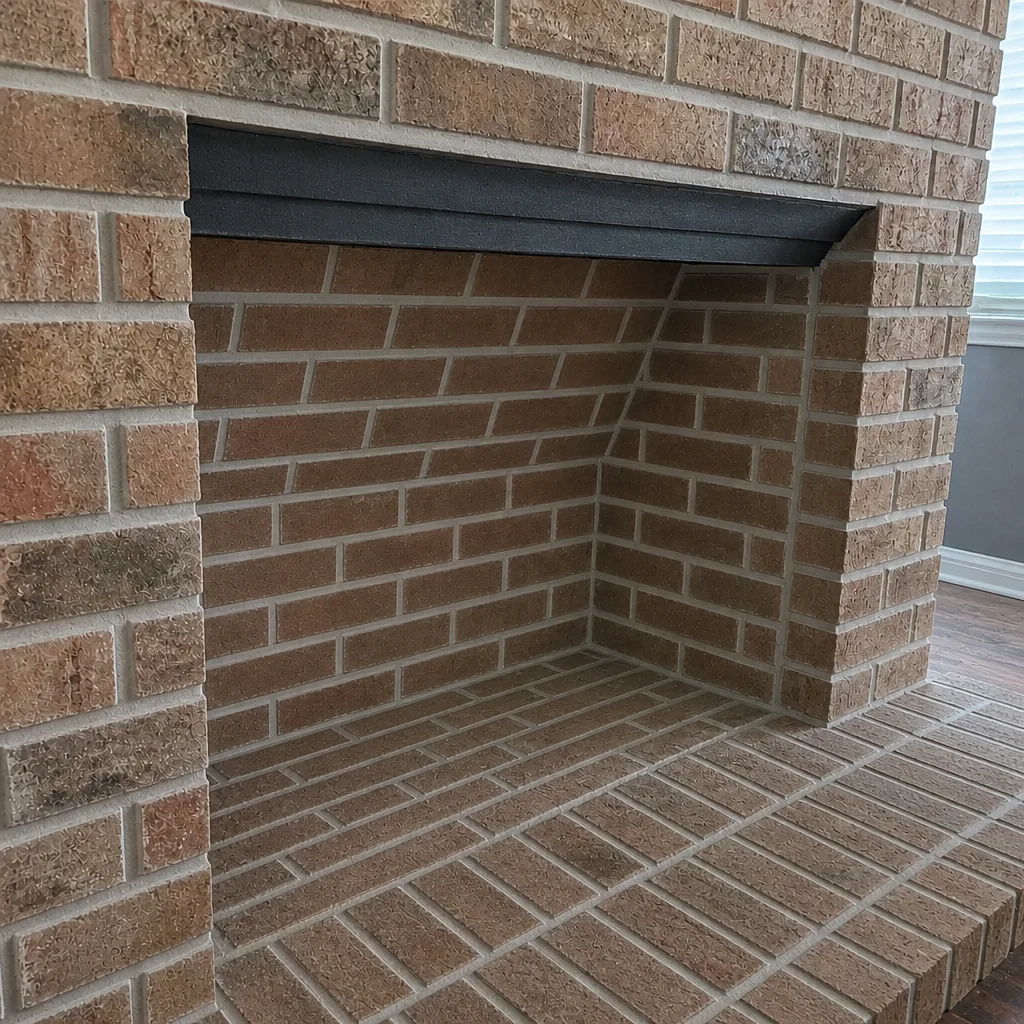 After
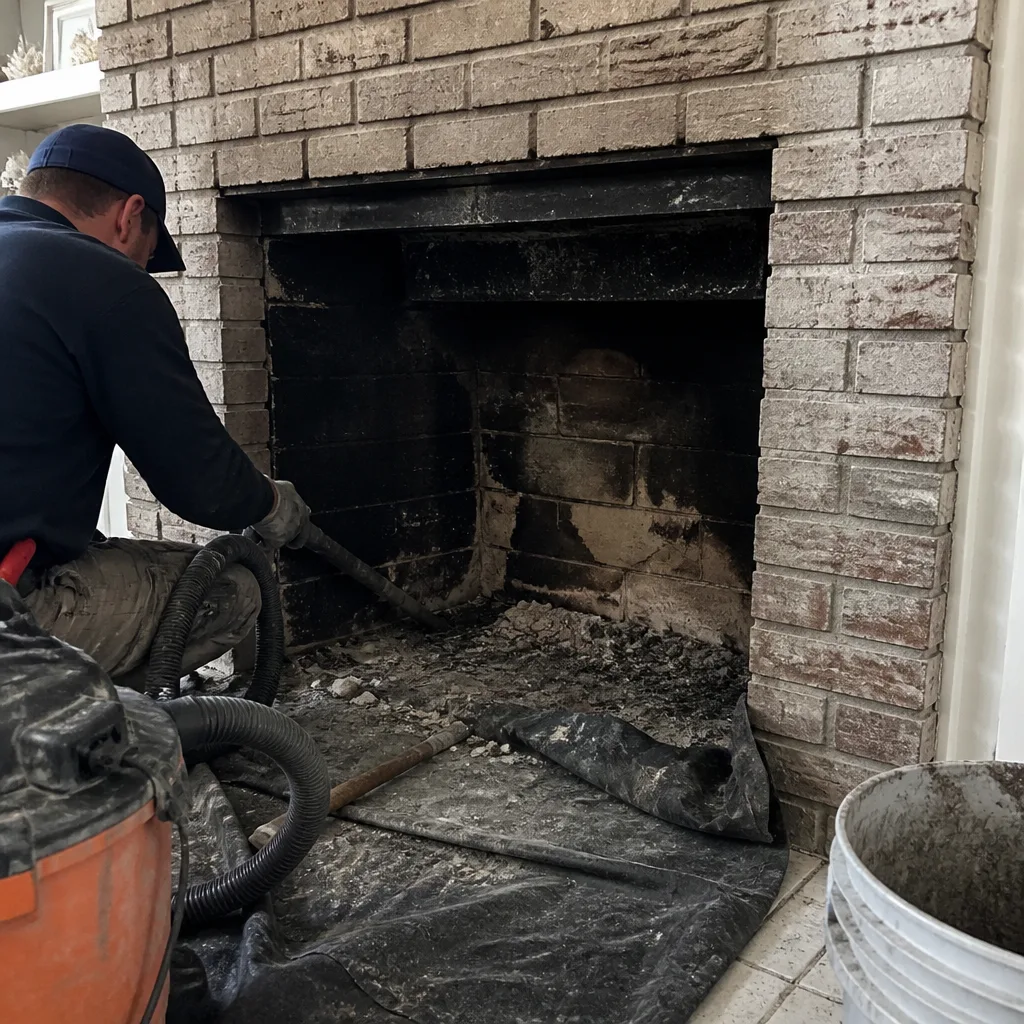 Before
 After
 Before
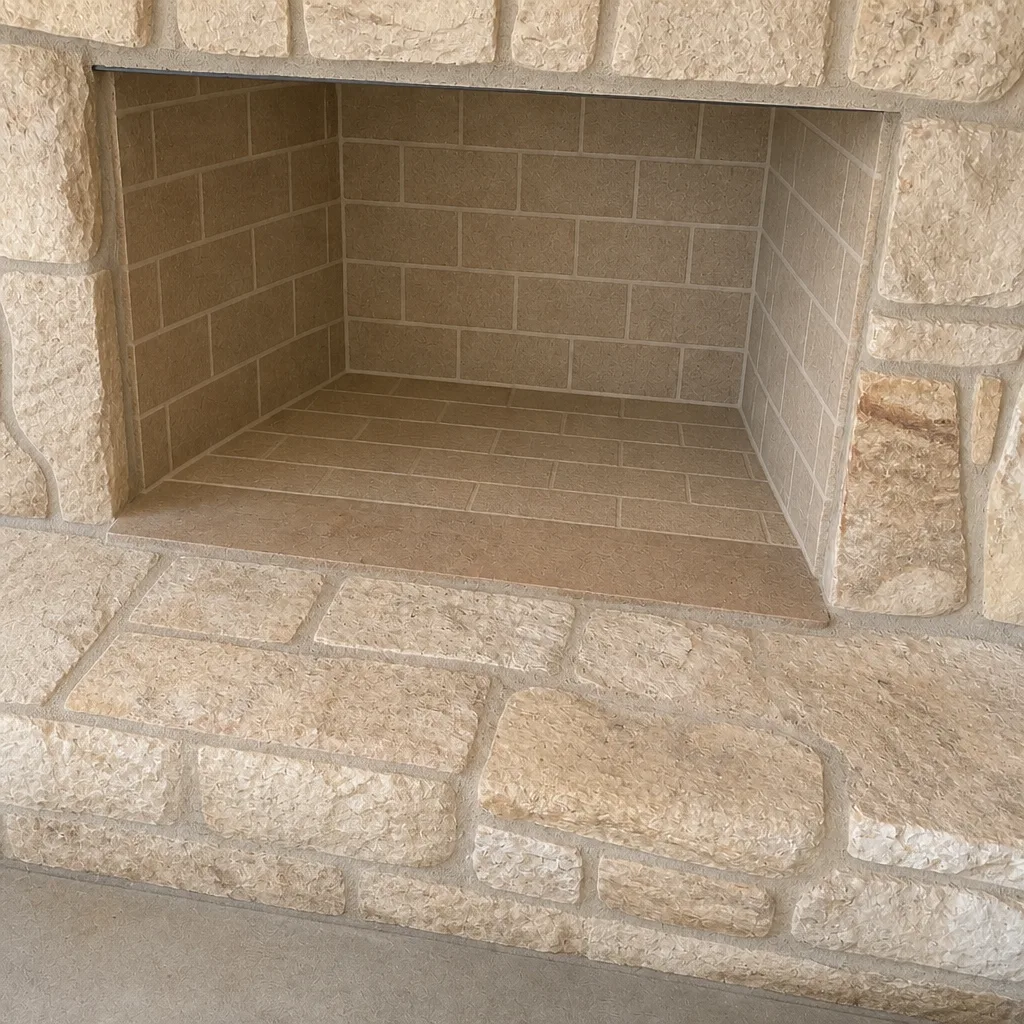 After