
Last updated November 15, 2026
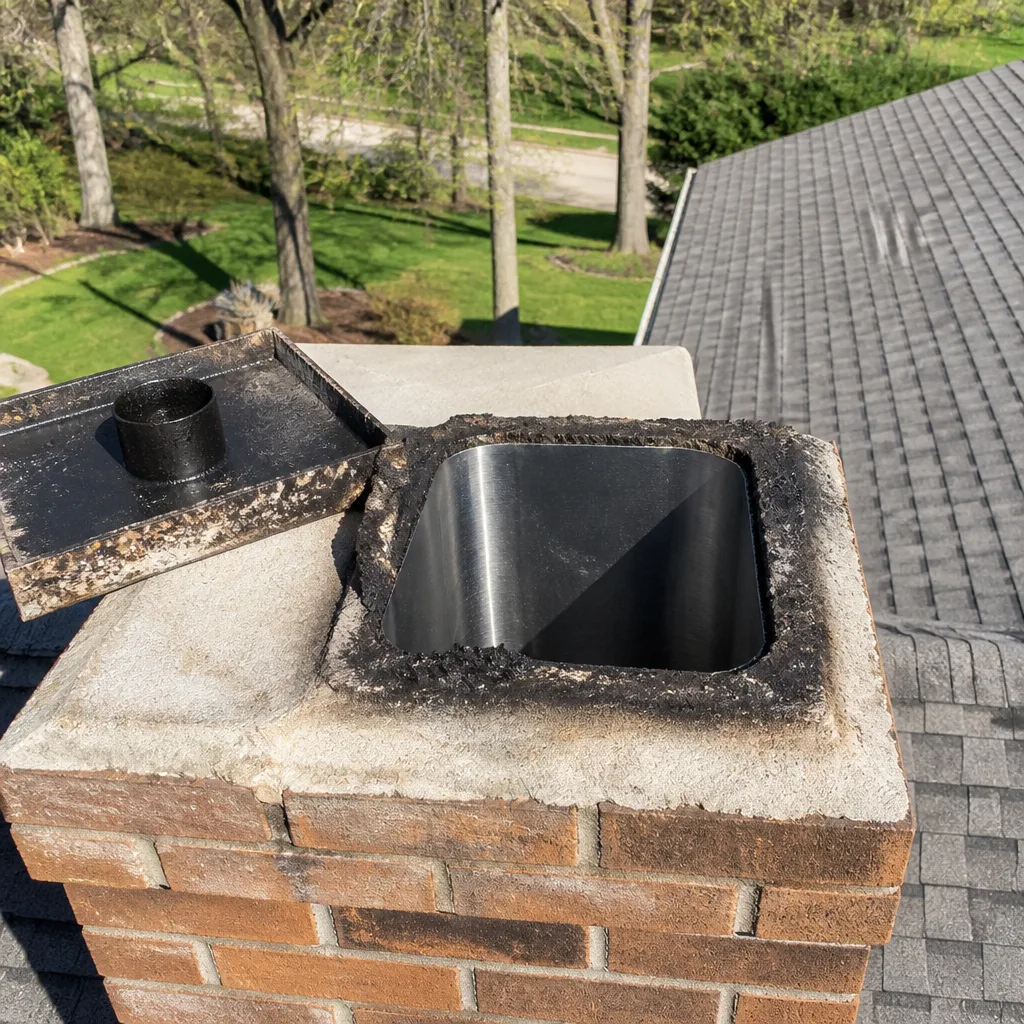 Sweep & inspection
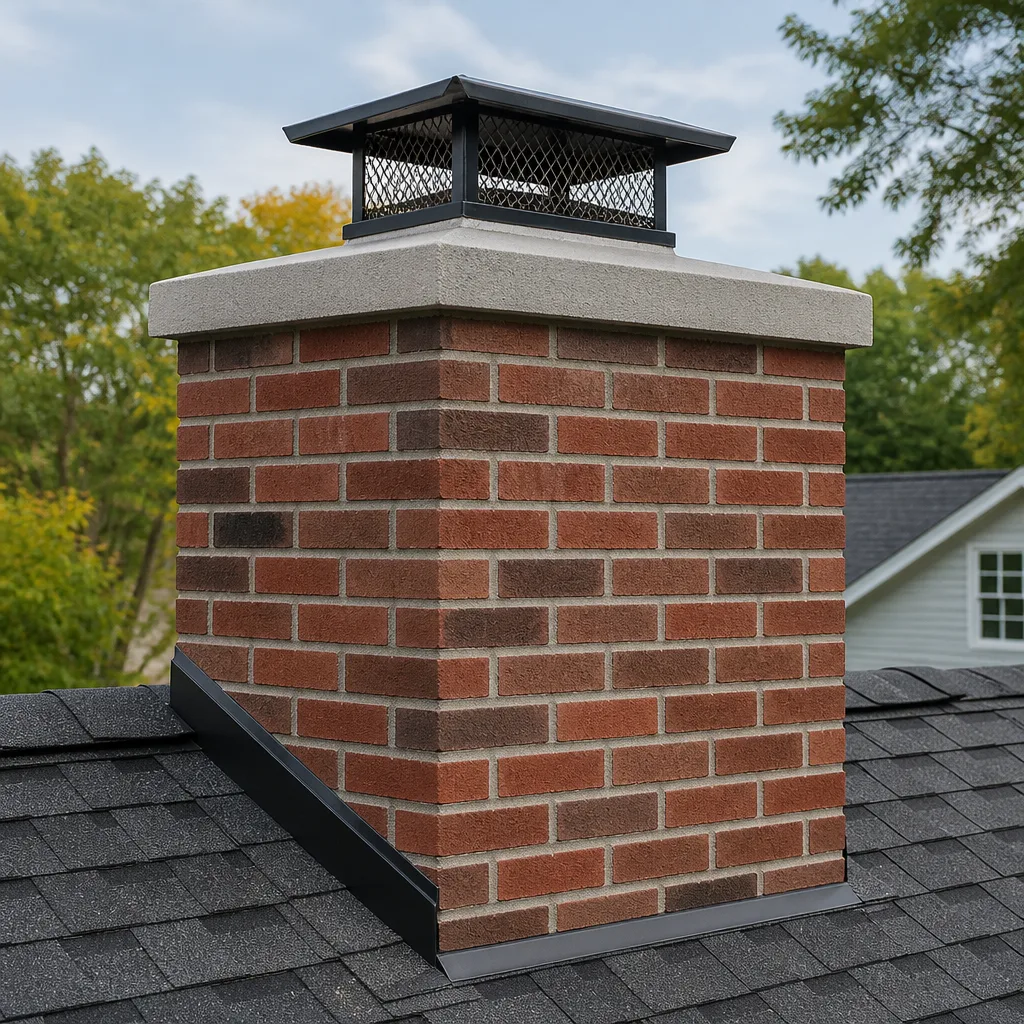 Caps & crowns
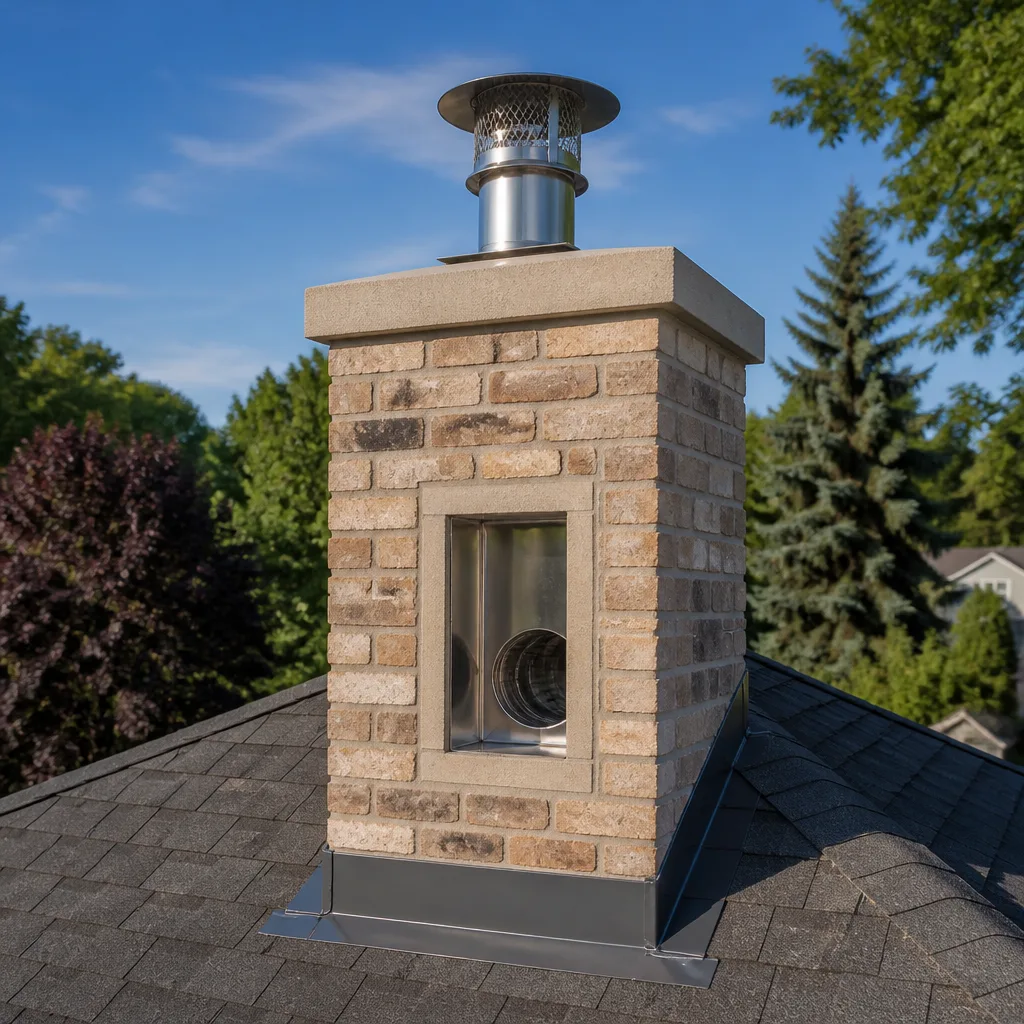 Flue relining
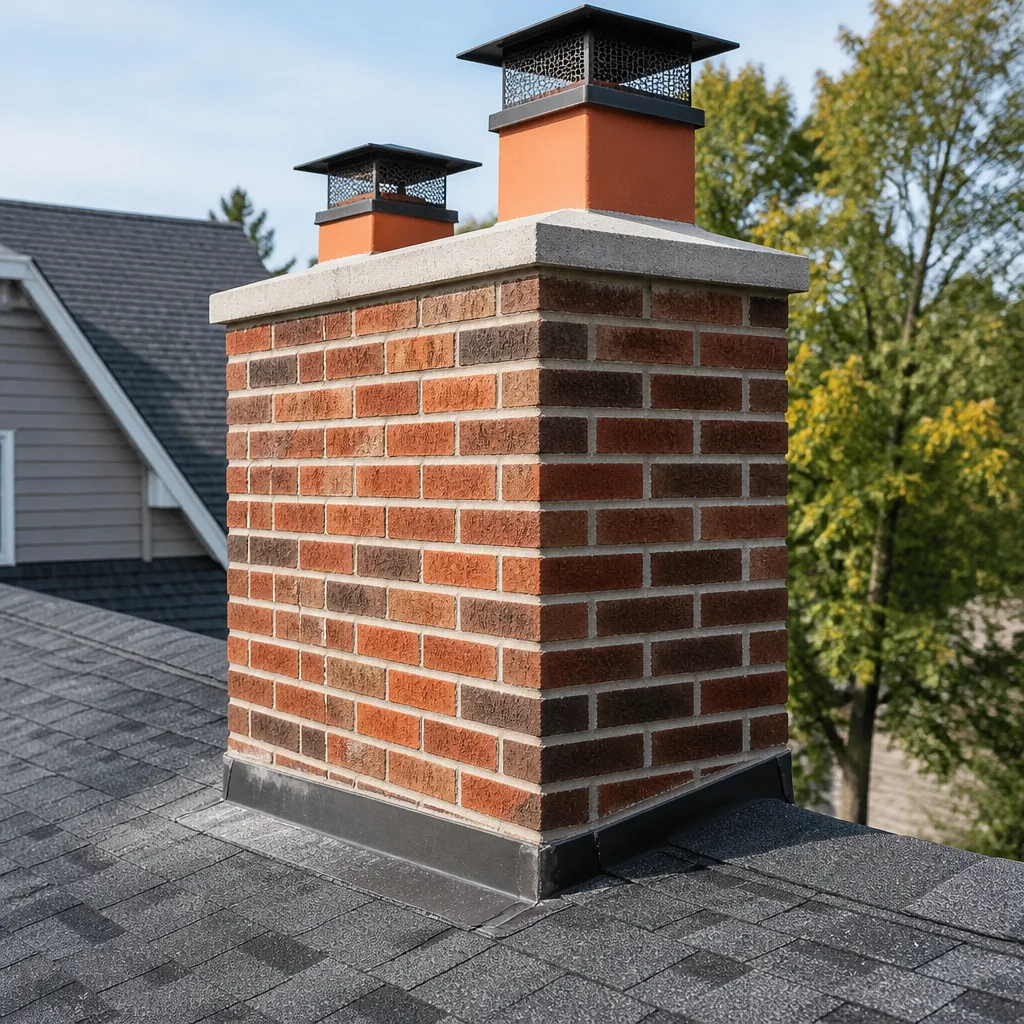 Masonry repair
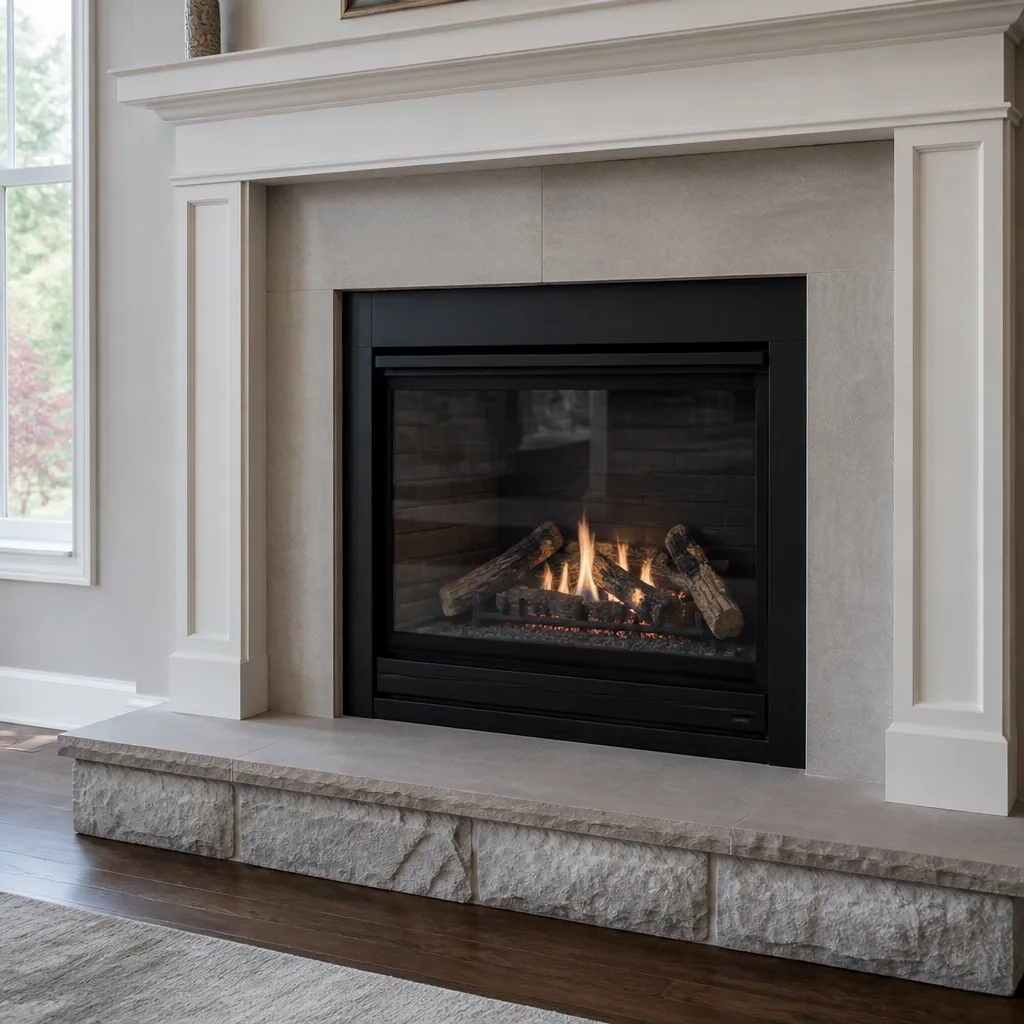 Gas fireplace service
Level 1 sweep and inspection to the NFPA 211 annual standard - flue, crown, cap, and flashing checked and photographed
Chimney sweep logs do not sweep chimneys. They loosen some creosote - which then falls where a brush and vacuum still have to collect it.
Chimney Cleaning Permits, Codes & Inspections in Arlington, TX: What You Need to Know
Most chimney work in Arlington doesn’t need a permit. Some of it does, and the line between the two isn’t obvious from the outside. A sweep and a visual inspection are routine maintenance; a new stainless liner, a rebuilt firebox, or a cap installation often crosses into permitted construction. When that line gets crossed without a permit, the problem usually surfaces at resale, when a buyer’s inspector flags work with no record behind it and your insurance carrier starts asking questions. This guide draws that line clearly so you know exactly what to ask before anyone starts work on your chimney in Arlington.
Quick Answer
Routine chimney sweeping and visual inspections in Arlington generally do not require a permit. Structural chimney repairs, liner replacement, firebox rebuilding, and cap installations often do, because they alter the venting system and fall under the International Residential Code (IRC Section R1001) and NFPA 211 standards that Texas jurisdictions adopt locally. Your contractor should confirm permit requirements with the City of Arlington’s building department before any structural or venting work begins, and the permit should be pulled in the homeowner’s name with the property address on it.
Styles & brands we work with
- Sweep & inspection
- Caps & crowns
- Flue relining
- Masonry repair
- Gas fireplace service
Table of Contents
- Where the Permit Line Sits for Chimney Work in Arlington
- How IRC Section R1001 and NFPA 211 Apply in Texas
- The Permit Process for Liner Replacement and Firebox Repair
- What a Chimney Inspection Actually Covers
- How Unpermitted Chimney Work Affects Insurance and Resale
- What to Ask Your Contractor Before Any Structural Work
- Why a Chimney Specialist Pulls Permits When a Handyman Won’t
- North Texas Conditions That Shape Chimney Wear
Where the Permit Line Sits for Chimney Work in Arlington
The simplest way to think about it: cleaning maintains, repair modifies. Cleaning removes creosote, soot, and blockages from a system that already exists. Repair changes the physical components of that system, and anything that changes the venting path is where the City of Arlington’s building department wants a record.
Here’s how the split generally falls in Arlington:
- No permit typically required: routine sweeping, Level 1 visual inspection, camera inspection, minor cap reseating, and creosote removal.
- Permit often required: stainless liner installation (including DuraFlex or Olympia Chimney systems), HeatShield flue resurfacing when it involves structural repair, firebox rebuilding, damper replacement, crown repair, and masonry reconstruction above the roofline.
- Case-by-case: cap replacement when it involves a chase cover or custom fabrication, and any work that changes the flue’s dimensions or termination point.
A common confusion in Arlington is the word “repair” itself. Re-pointing a few bricks above the flashing line and rebuilding a firebox are both repairs, but they carry different permit weight. The rule of thumb we use is: if the work touches the venting envelope or changes how the flue drafts, call the city and ask. It takes five minutes and prevents a much longer conversation later.
The other thing Arlington homeowners should know: the permit is pulled in the homeowner’s name, not the contractor’s. That means the paper trail lives with the property. If a contractor says “you don’t need one” and then installs a liner without one, the record shows a liner appeared on the property with no permit behind it, and that’s a problem the homeowner inherits, not the contractor.
How IRC Section R1001 and NFPA 211 Apply in Texas
Texas doesn’t have a statewide chimney code. Cities adopt their own building codes, and most of the larger metro areas, Arlington included, work from the International Residential Code with local amendments layered on top. IRC Section R1001 governs chimneys and fireplaces: clearance to combustibles, flue sizing, liner requirements, and termination height above the roof. NFPA 211 is the national standard for chimneys, fireplaces, vents, and solid fuel-burning appliances, and it covers both installation and inspection protocols.
The two work together. IRC R1001 tells you how a chimney should be built and what it needs to be code-compliant. NFPA 211 tells you how it should be inspected and what condition it needs to be in to be considered safe. An inspector checking liner work in Arlington is looking at both:
- Correct flue sizing for the appliance connected to it (a wood-burning fireplace insert needs a properly sized flue, not a one-size liner).
- Proper clearance from combustibles, particularly at the ceiling penetration and roof chase.
- Correct termination height: at least 3 feet above the roof surface, and 2 feet above anything within 10 feet.
- A listed, labeled liner system installed per the manufacturer’s instructions.
- Sound masonry, an intact crown, and no gaps at the smoke chamber or damper frame.
Local amendments in Arlington and surrounding North Texas cities can tighten these requirements, usually around clearances and inspection documentation. The takeaway is that “the code” isn’t one document; it’s a stack. A contractor who can cite the section behind a recommendation is showing you they’ve actually worked with these documents, not just looked them up after the fact.
The Permit Process for Liner Replacement and Firebox Repair
Liner replacement is the most common permitted chimney job in Arlington. A clay tile liner that has cracked, or a flue that was never lined to begin with, needs a stainless system to keep heat and combustion gases contained. That’s structural work, and it’s permitted for good reason: the liner is what stands between a fire and the wood framing behind the chase.
Here’s how the process typically runs:
- Inspection and documentation. A camera inspection establishes the current condition. A written scope identifies the liner size, the system (DuraFlex or Olympia Chimney, for instance), and why replacement is needed rather than repair.
- Permit application. The contractor files with the City of Arlington’s building department, typically including the property address, the scope of work, and manufacturer specs for the liner system.
- Approval and scheduling. Timeline depends on the city’s queue and the scope. Small jobs may clear in a matter of days; larger masonry or firebox rebuilds can take longer. The contractor should give you the realistic window up front, not a number designed to make you sign.
- Installation. Liner or firebox work proceeds per the approved scope.
- Inspection. A city inspector reviews the completed work against the code requirements in IRC R1001. If the liner is installed correctly, this is usually straightforward.
- Closeout. The permit is signed off, and the record stays with the property.
For firebox repair, the pieces inspectors look at most closely are the firebox-to-flue transition, the smoke chamber, and the clearance to combustible framing behind the firebox. HeatShield resurfacing is often part of this work: it restores the flue’s interior surface where the original masonry is pitted or gapped, and it’s a repairable alternative to full liner replacement when the flue is otherwise sound.
What gets missed: homeowners sometimes get quoted for liner work without the permit being mentioned at all. If that happens, ask directly. A contractor who can answer the permit question with specifics isn’t guessing.
What a Chimney Inspection Actually Covers
NFPA 211 lays out three inspection levels, and knowing which one you’re getting matters more than most homeowners realize.
- Level 1: Visual inspection of accessible portions, typically done as part of a routine sweep. Good for a chimney that’s been maintained and used normally.
- Level 2: Everything in Level 1 plus a camera inspection of the flue interior. Required after a chimney fire, after a change in appliance or fuel type, after a property sale, or when a Level 1 inspection turns up something notable. This is the level most needed in Arlington homes with older clay-tile chimneys.
- Level 3: Everything in Level 2, plus inspection of concealed areas that require removing parts of the chimney or structure. Rare; used when there’s reason to suspect damage inside a wall.
What a Level 2 inspection actually records: flue condition, liner condition, smoke chamber and damper operation, firebox condition, crown and masonry integrity, cap and spark arrestor condition, and clearances to combustible materials. A proper report includes camera footage or photos you can see yourself, not just a verbal summary.
That’s the part that matters most in Arlington. Homeowners get told all the time that they need thousands of dollars of liner or masonry work, with no way to verify it. The correct standard is that every recommendation should trace back to something visible in the inspection footage. If it doesn’t, ask to see it, and if the technician can’t point to a specific frame in the video, the recommendation isn’t ready yet.
How Unpermitted Chimney Work Affects Insurance and Resale
Here’s where permit compliance stops being abstract. If a chimney fire damages your home and the investigation finds a liner installed without a permit, or firebox work that didn’t match code, the claim can become complicated. Carriers vary widely in how they handle this, but in our experience the questions tend to go: was the work permitted, was it inspected, and was it done to standard? If the answers aren’t in the record, the burden shifts to you.
The resale side is more common. A buyer’s home inspector in Arlington will look at the chimney and will often flag unpermitted work when the visible evidence doesn’t line up with the permit history. That can trigger a negotiation, a request for the seller to pay for a Level 2 inspection, or a repair credit. The cost of the permit at the front end is a fraction of what those conversations cost at closing.
A few practical points:
- Keep your permit paperwork and inspection records with your other home documents. They’re valuable at resale.
- If you’re buying a home in Arlington with a chimney, ask the seller for the permit history on any liner or firebox work.
- If you inherit an unpermitted repair, the fix is documentation: a Level 2 inspection establishes current condition, and any corrective work brings the chimney back into record.
Insurance and resale aren’t the reason to care about permits. Fire safety is. But the paperwork consequences are the part homeowners tend to learn about at the worst possible moment.
What to Ask Your Contractor Before Any Structural Work
A few direct questions will separate a contractor who works with the permit process from one who avoids it. Ask before you sign anything:
- Does this job require a permit in Arlington, and will you pull one?
- What code section or manufacturer spec is driving this recommendation?
- Can I see the inspection footage that shows the problem?
- What’s your realistic timeline for city approval and inspection?
- If the inspector rejects the work, how is that handled?
- Will you give me a written estimate that separates the cleaning, the repair, and the permit cost?
The answers tell you more than any marketing material. A specialist will answer each of these without hesitation, often with specifics about the liner system being installed (DuraFlex, Olympia Chimney, Gelco components, or HeatShield for flue resurfacing). A contractor who hedges on the permit question is telling you something.
One more question worth asking: who’s doing the actual work? If it’s the same technician who showed up to sweep, you’re getting consistency from inspection through repair. If a subcontractor appears after the estimate without being mentioned, ask why. A single-trade specialist handles the full scope because the full scope is their trade. Thrive Chimney Sweep works on chimneys and venting systems only, which means the person who finds the problem is the person qualified to fix it.
Why a Chimney Specialist Pulls Permits When a Handyman Won’t
A handyman can install a cap. A chimney specialist pulls the permit for a liner replacement because the liner is a structural component of the venting system, and structural work gets inspected. The difference isn’t gatekeeping; it’s accountability. If the work fails an inspection, the specialist is the one who has to fix it at their own cost. That’s the incentive structure a permit creates, and it’s why the specialists who do get permits are also the ones who tend to get the work right.
There’s also the insurance angle on the contractor side. A handyman working outside their licensed scope may not be insured for the failure, which means if something goes wrong, you’re the one holding the loss. A chimney contractor working inside the code has coverage that actually reaches the job.
The professional-grade material question is the other half. Hardware-store liner kits aren’t built to the same specs as professional-trade systems, and inspectors who know the difference can tell at a glance. That’s why we work with DuraFlex, HeatShield, Gelco, Olympia Chimney, Famco, and Copperfield: not for the brand name, but because a labeled system installed per its instructions is the one the inspector can document and sign off on. A generic kit may pass a visual glance and then fail the code review.
Arlington homeowners use their fireplaces, but they also value clarity over sales pressure. A single call covers sweeping, any repair the inspection establishes, and dryer vent cleaning on the same visit if the timing works, with documentation at every stage. That’s the version of a specialist visit that actually resolves the problem rather than handing you a report and a list of contractors to call next.
North Texas Conditions That Shape Chimney Wear
Arlington’s climate is milder than much of the country, but that doesn’t make chimneys lazy. It makes the wear pattern different. Winters here are short and mild enough that many homeowners burn less than they’d expect, which means creosote builds up over longer intervals between sweeps. Chimneys that only get used a handful of times a season accumulate the same deposits as a heavily used chimney, just more slowly and with less urgency attached.
The bigger factor is heat and humidity. Summer swings work on masonry differently than freezing winters do: the crown and mortar joints take on and release moisture across the season, and a crown that’s starting to crack lets moisture into the chase where it works on the liner. By the time the first cold snap arrives and someone lights a fire, water damage from the summer is already in place.
What that means for Arlington homeowners:
- An annual inspection catches crown and mortar issues before they reach the flue.
- Sweeping before the burning season starts is a straightforward way to avoid starting the season on top of a year of creosote.
- Older homes in Arlington, particularly those with original clay-tile liners, benefit from a Level 2 camera inspection more than newer construction does.
The point isn’t that Arlington chimneys are worse off than chimneys elsewhere. It’s that the seasonal pattern is different, and the inspection schedule should match. If you’re not sure when your chimney was last inspected, that’s the most useful question to answer first.
If you’re looking for a chimney sweep who works with the inspection standard and can perform the repairs the inspection establishes, our technicians have up to 12 years of experience, and we’re based in the trade rather than the general-handyman category. The one call covers sweeping, repair, and venting. The Thrive Chimney Sweep approach is to tell you what the camera shows and what it means, then let you decide.
Common Mistakes to Avoid
- Skipping the permit on a liner replacement because the contractor said it wasn’t needed. The permit lives with the property, and the record will show the work whether or not there’s a signed inspection behind it. Ask the question before installation, not after.
- Treating a sweep as a substitute for an inspection. Sweeping removes creosote; inspection establishes condition. A sweep with no report is a cleaning, not a maintenance program.
- Getting quoted for work without asking for the camera footage. Any recommendation for liner or masonry work should trace to something visible in the inspection video. If it doesn’t, the recommendation isn’t ready.
- Letting a general handyman install a cap or liner. These are venting system components, and the codes apply to them the same way they apply to a specialist. Use someone whose work is covered for the failure if it happens.
- Ignoring the crown. A cracking crown lets water into the chase and works on the liner year-round. It’s one of the cheapest fixes and one of the most expensive to defer.
- Not keeping the permit paperwork. Resale in Arlington is easier when the chimney record is intact. Keep the permit, the inspection report, and the estimate together with the other home documents.
- Waiting until the first cold snap to book. Chimney service in Arlington backs up when the season starts. Booking a sweep before the burning season is the low-stress way to do this.
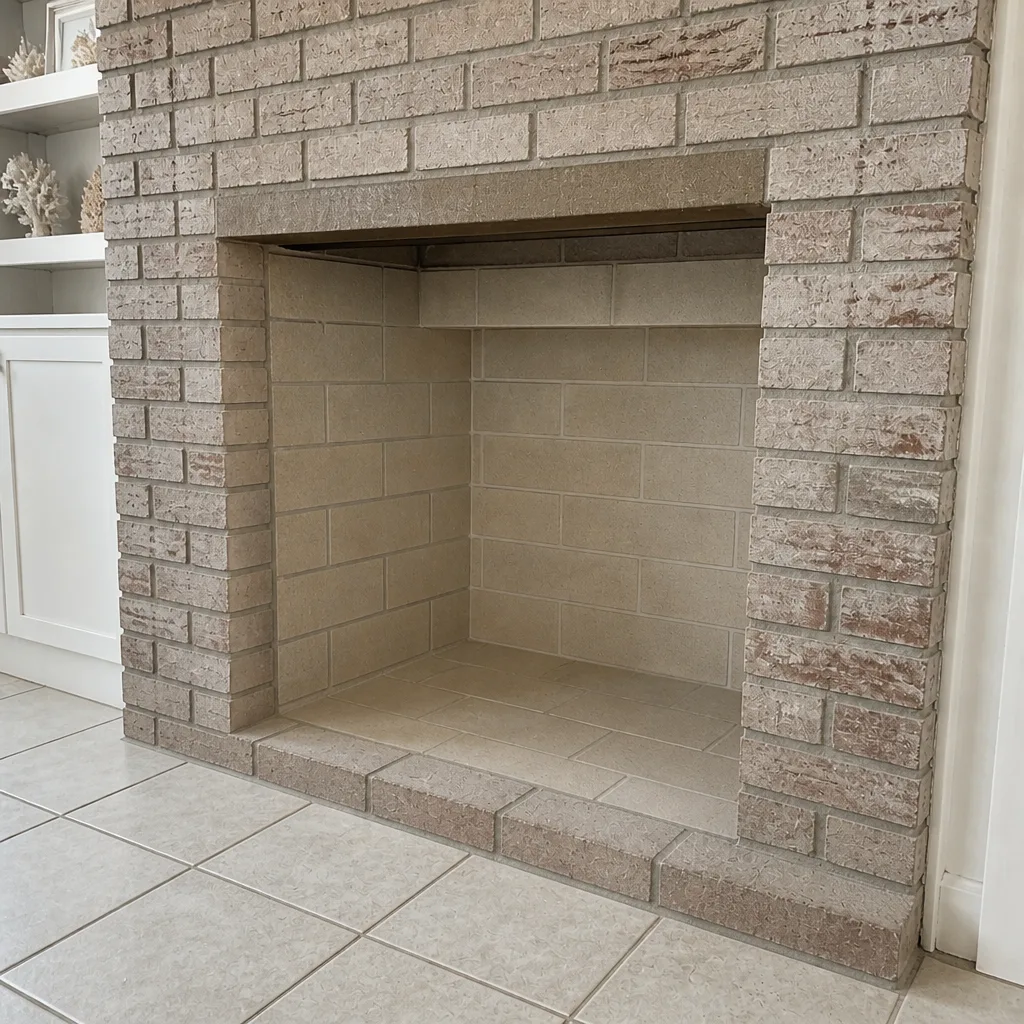
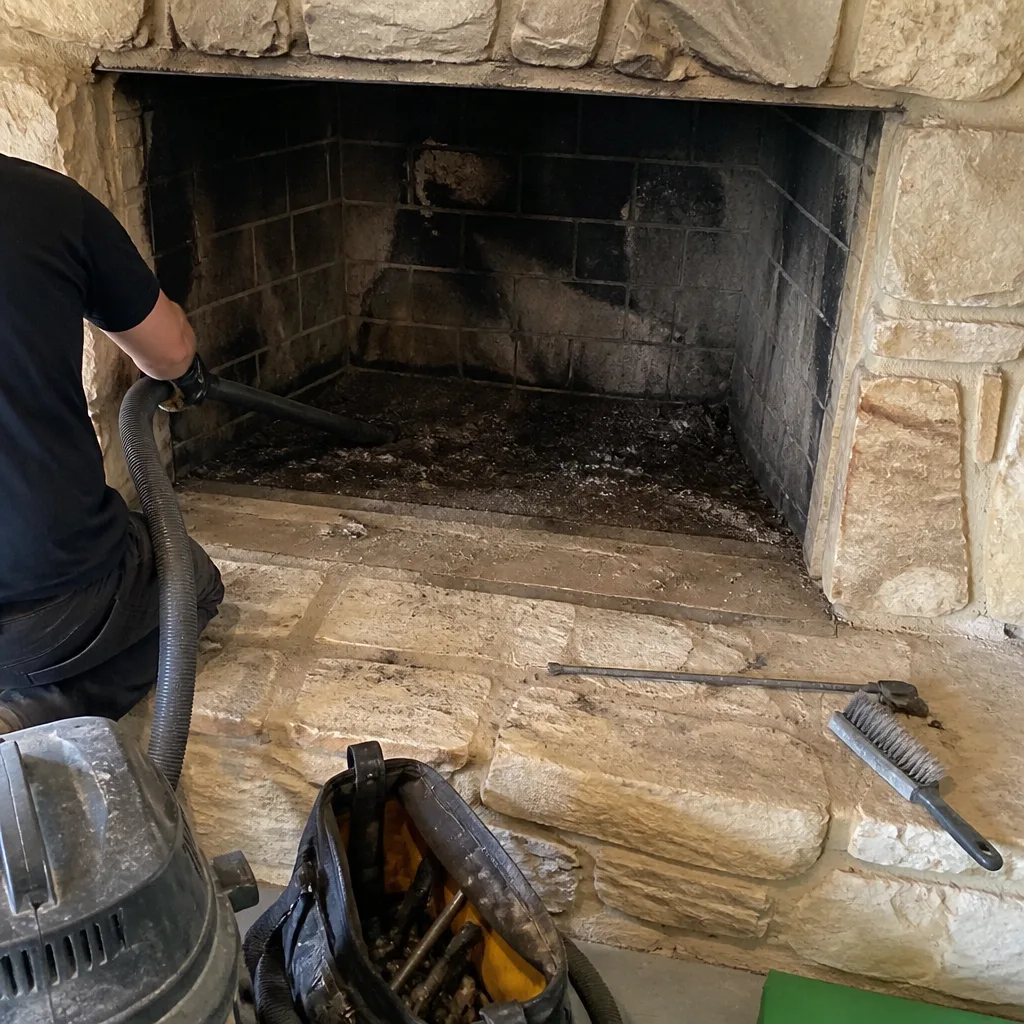
See the difference
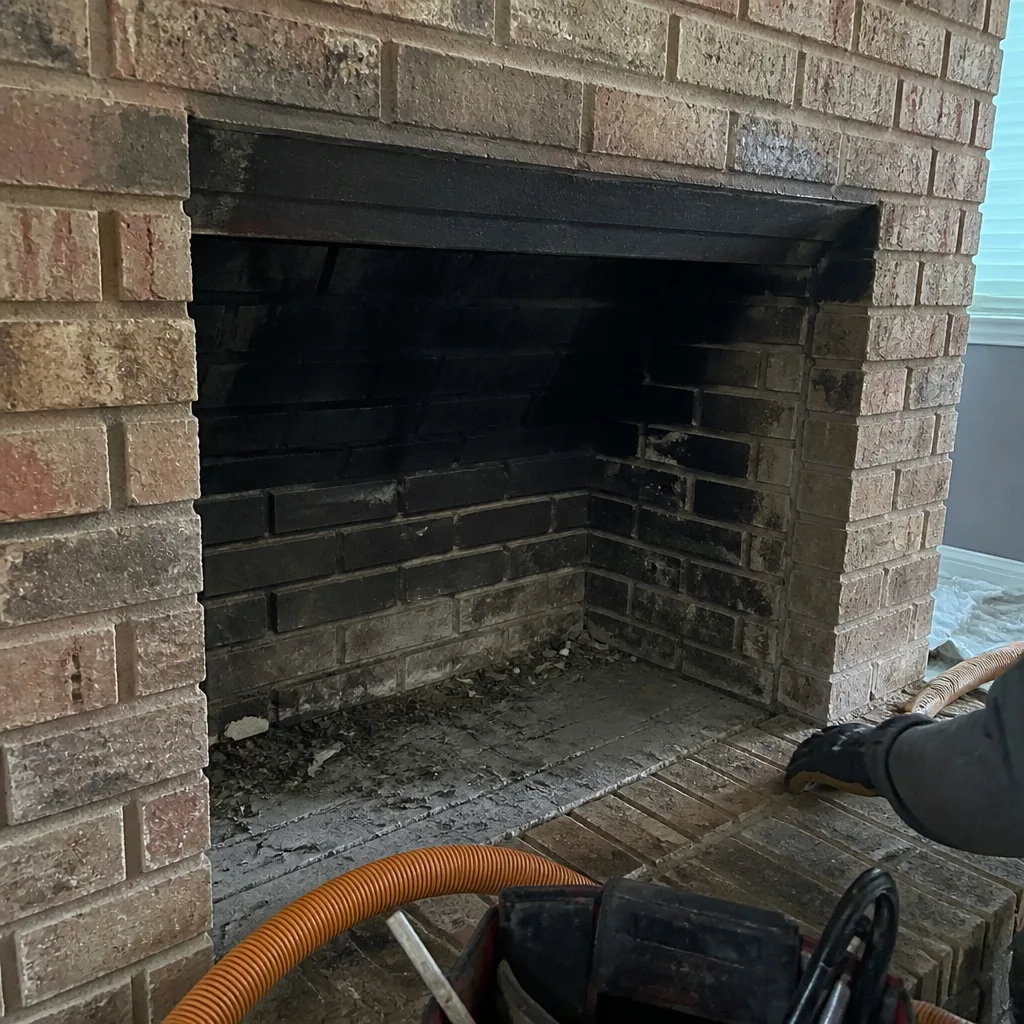 Before
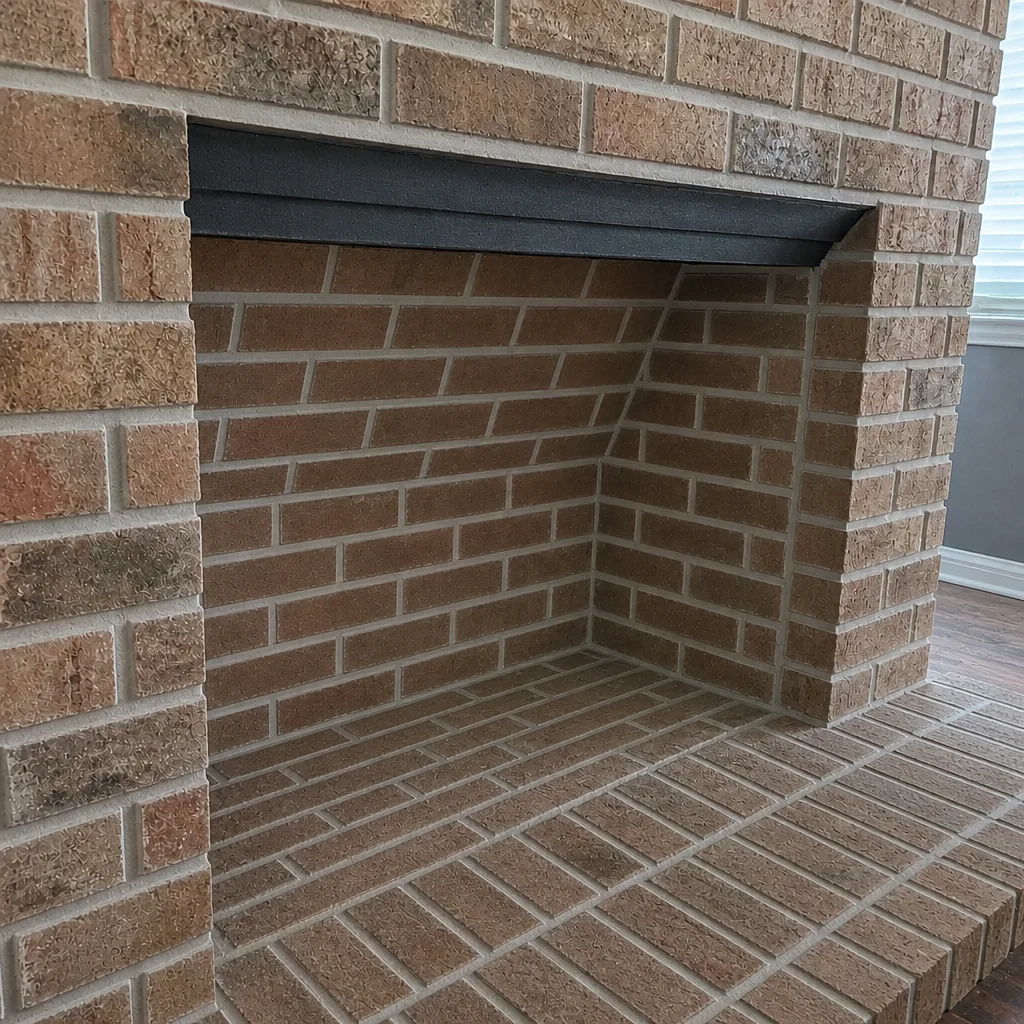 After
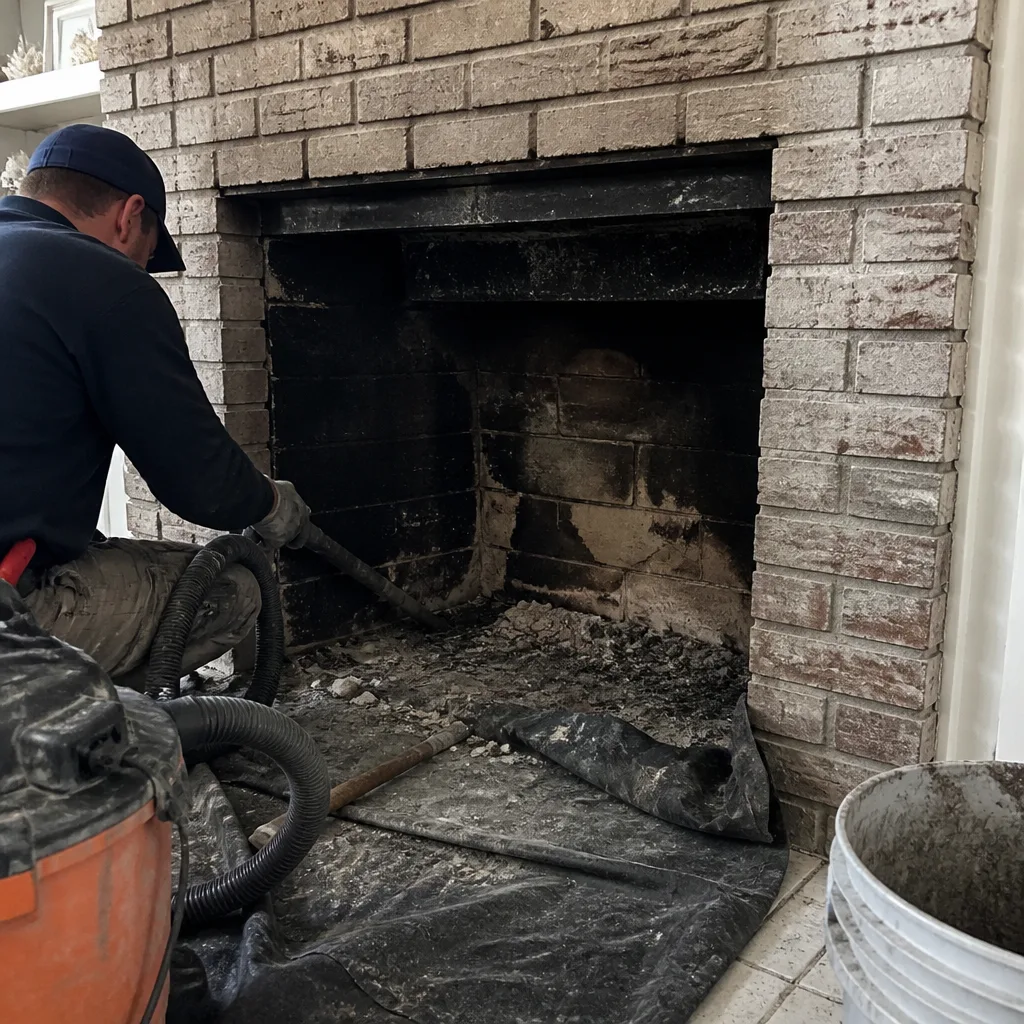 Before
 After
 Before
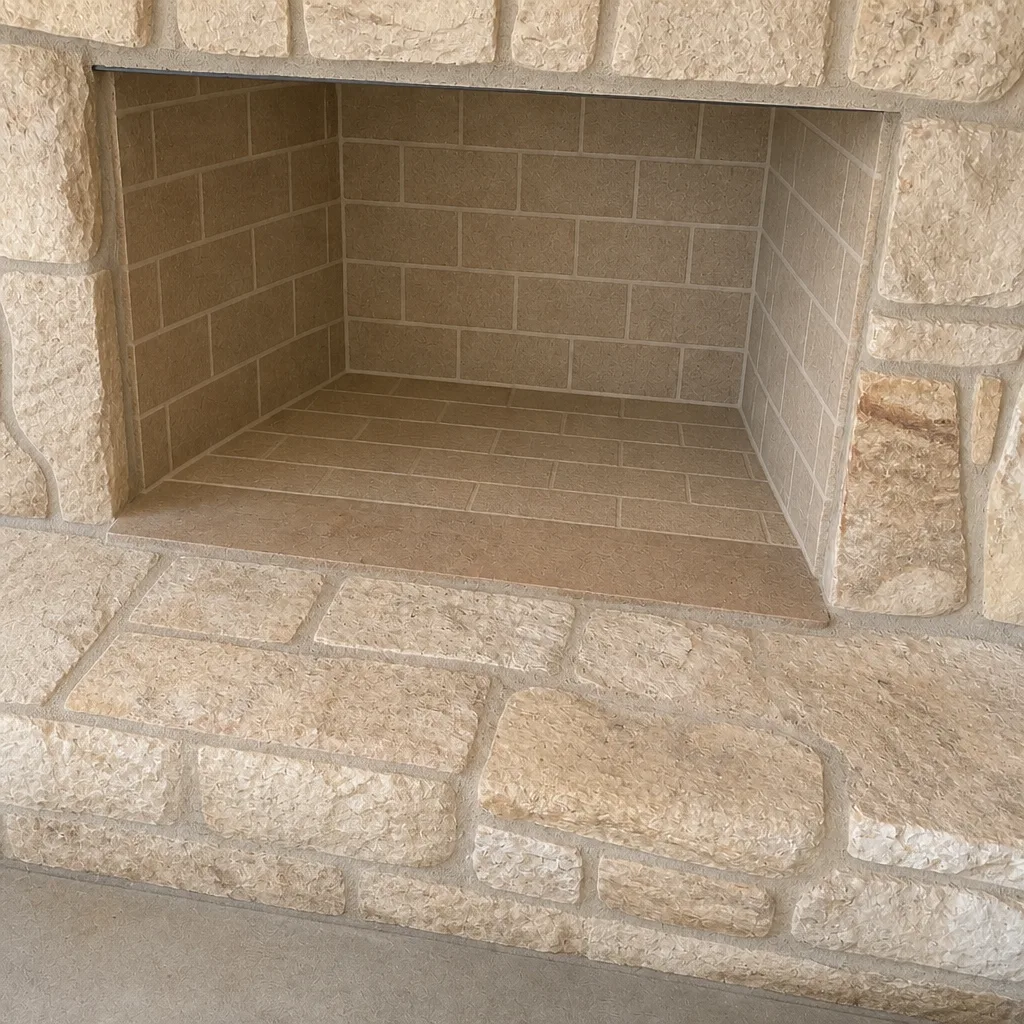 After
When to Call a Professional
Call a professional for anything that involves the venting system, the firebox, the flue, or the chimney structure. That includes: a chimney that hasn’t been inspected in over a year, any change in how the fireplace drafts, smoke coming back into the room, visible cracks in the firebox or smoke chamber, a damaged crown or cap, a chimney fire (even a small one), and any work quoted above a routine sweep. Those are not handyman calls. They’re the calls that require a specialist with the permit process behind them and the material spec to match.
If you’re buying a home in Arlington with a chimney, get a Level 2 inspection before closing. The report is exponentially more useful before the sale than after it. Thrive Chimney Sweep offers free estimates in Arlington. Call (866) 942-6157.
Frequently Asked Questions
No. Routine chimney sweeping and visual inspections in Arlington do not require a permit because they’re maintenance on an existing system, not construction. The permit question applies to repair and installation work: liner replacement, firebox rebuilding, cap installation, and any structural work on the chimney. If a contractor asks you to pay for a permit on a simple sweep, that’s a signal to ask why.
In most cases, yes. A liner replacement is structural work on the venting system and falls under IRC Section R1001, which Arlington’s building department enforces. The permit is typically pulled in the homeowner’s name with the property address on it, and the work gets inspected afterward. Ask the contractor to confirm with the city before work begins, and to include the permit cost in the written estimate.
A sweep removes creosote, soot, and blockages from the flue. An inspection evaluates the condition of the whole system: the liner, firebox, smoke chamber, damper, crown, cap, and clearances to combustibles. NFPA 211 defines three inspection levels, and a Level 2 inspection with camera footage is what you need after a chimney fire, after a change in fuel or appliance, or when buying a home. The two services work together; they’re not substitutes.
It depends on your carrier and the specific claim, so there’s no single answer. If a chimney fire damages the home and the investigation finds unpermitted work that didn’t meet code, the claim gets more complicated: the carrier will want to know whether the work was permitted, whether it was inspected, and whether it was done to standard. If the paperwork isn’t there, the burden shifts to the homeowner. Keeping your permit and inspection records is the simplest way to avoid that conversation.
Once a year for most homeowners, and that’s the standard NFPA 211 sets for a chimney in regular use. Arlington’s milder burning season means some homeowners stretch it, but the inspection also catches crown, cap, and mortar issues that come from summer heat and humidity regardless of how much the fireplace gets used. An annual inspection is a maintenance schedule, not an emergency response.
You can hire whoever you like, but for liner work and cap installation that involves the venting envelope, the permit and code requirements apply regardless of who does the work. A handyman may not be insured for the failure if the work goes wrong, and inspectors review the work without regard to who installed it. A specialist pulls permits because they can pass the inspection and cover the cost if they don’t.
The contractor is responsible for correcting it at their own cost, which is one of the reasons a permit protects the homeowner. That only holds if the contractor is the one who pulled the permit and stood behind the work. If the permit was pulled in the homeowner’s name by a contractor who then disappears, the homeowner can end up holding the correction cost. Ask who’s accountable for the inspection before you sign.
The Bottom Line
Chimney cleaning doesn’t need a permit in Arlington. Liner replacement, firebox rebuilding, and other structural work usually does. The gap between those two categories is where homeowners get surprised, often years later, at a home inspection or an insurance claim. The fix is simple: ask the permit question before any structural work begins, ask for the camera footage behind every recommendation, and keep the paperwork with your home records. Our technicians have up to 12 years of experience with the codes and the material specification these jobs require. Call (866) 942-6157 for a free estimate. We answer 24/7, and dispatch runs 7am to 7pm, Sunday through Friday. If you’re in Arlington and unsure when your chimney was last inspected, that call is the fastest way to find out.
Written by the team at Thrive Chimney Sweep.