
Last updated November 15, 2026
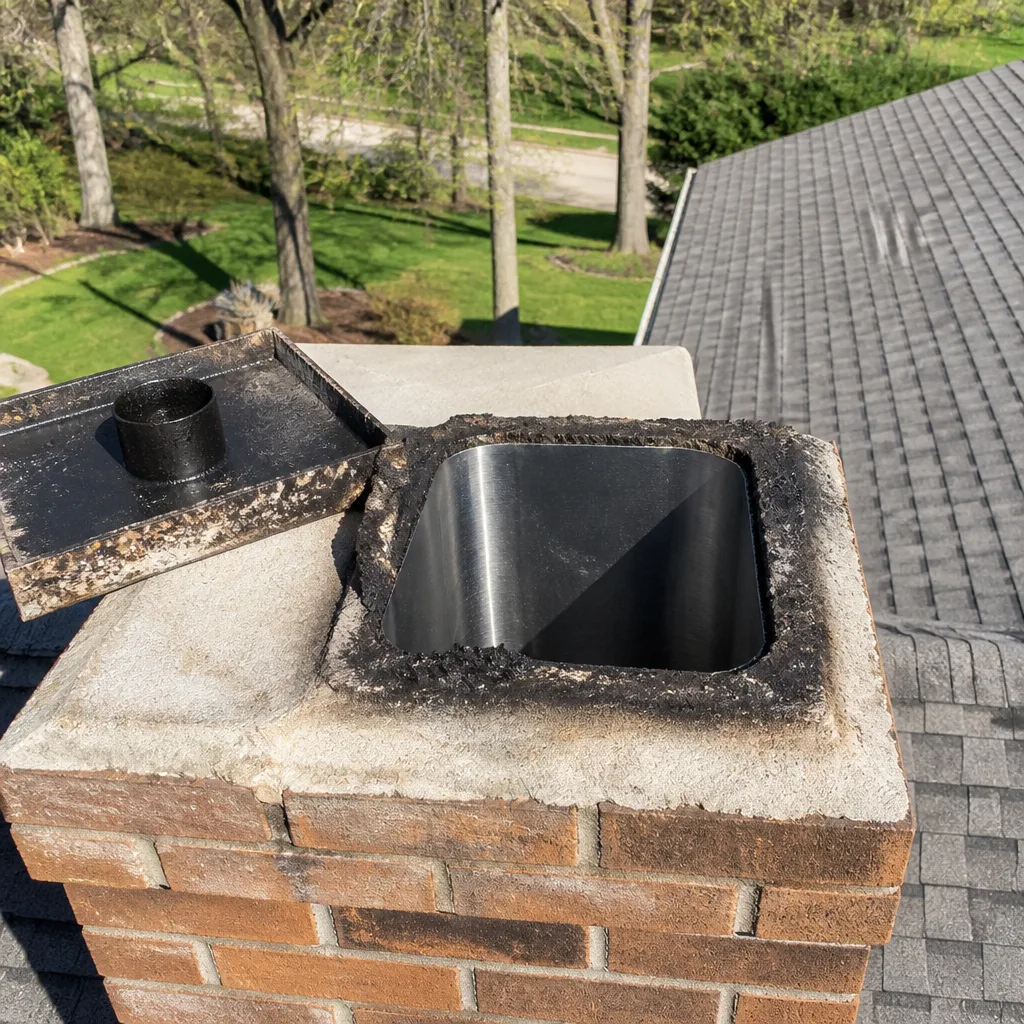 Sweep & inspection
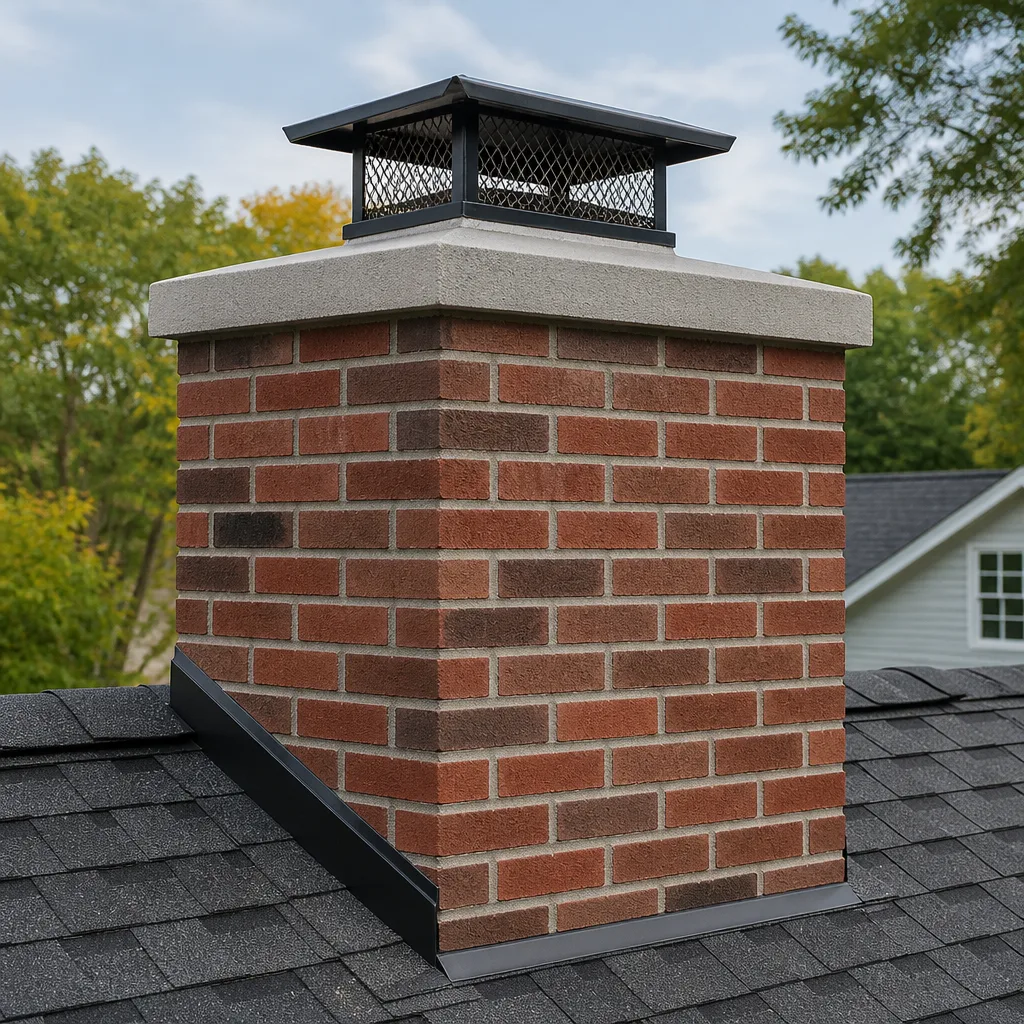 Caps & crowns
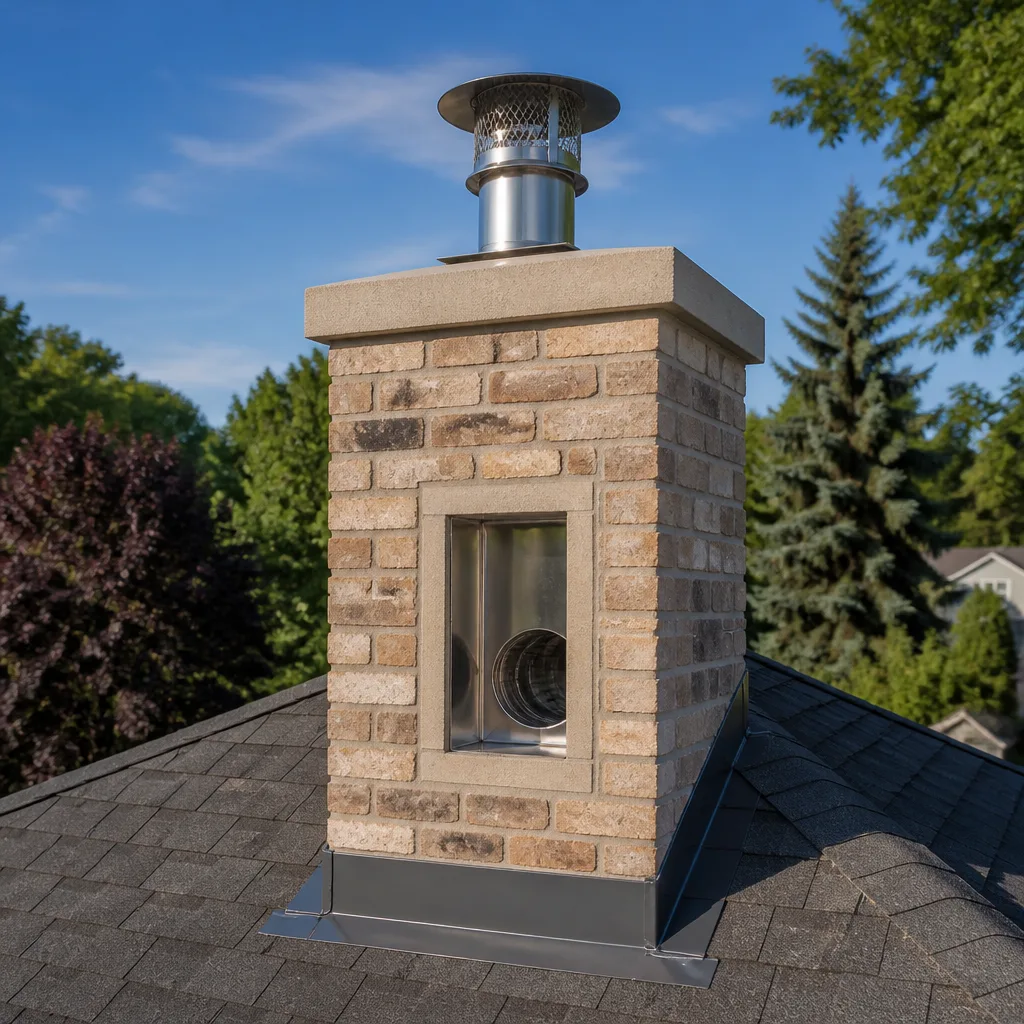 Flue relining
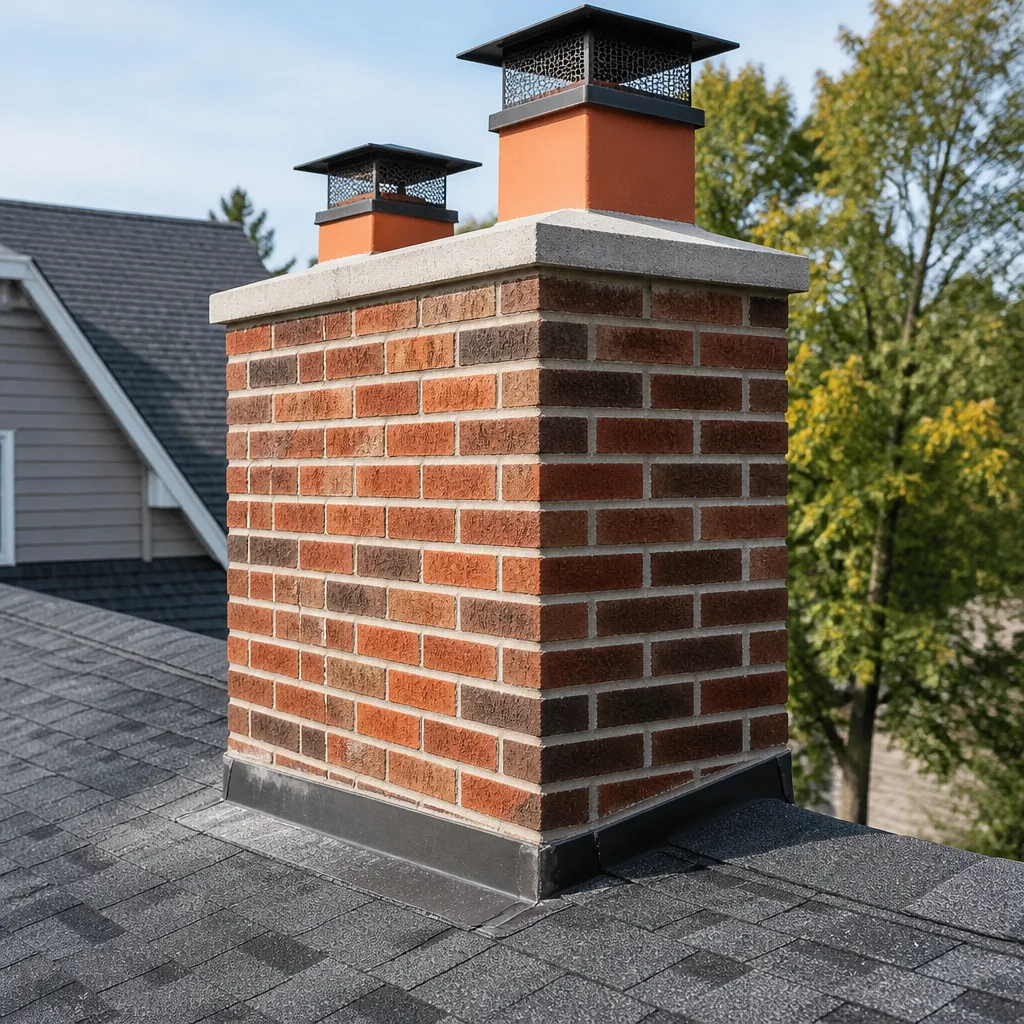 Masonry repair
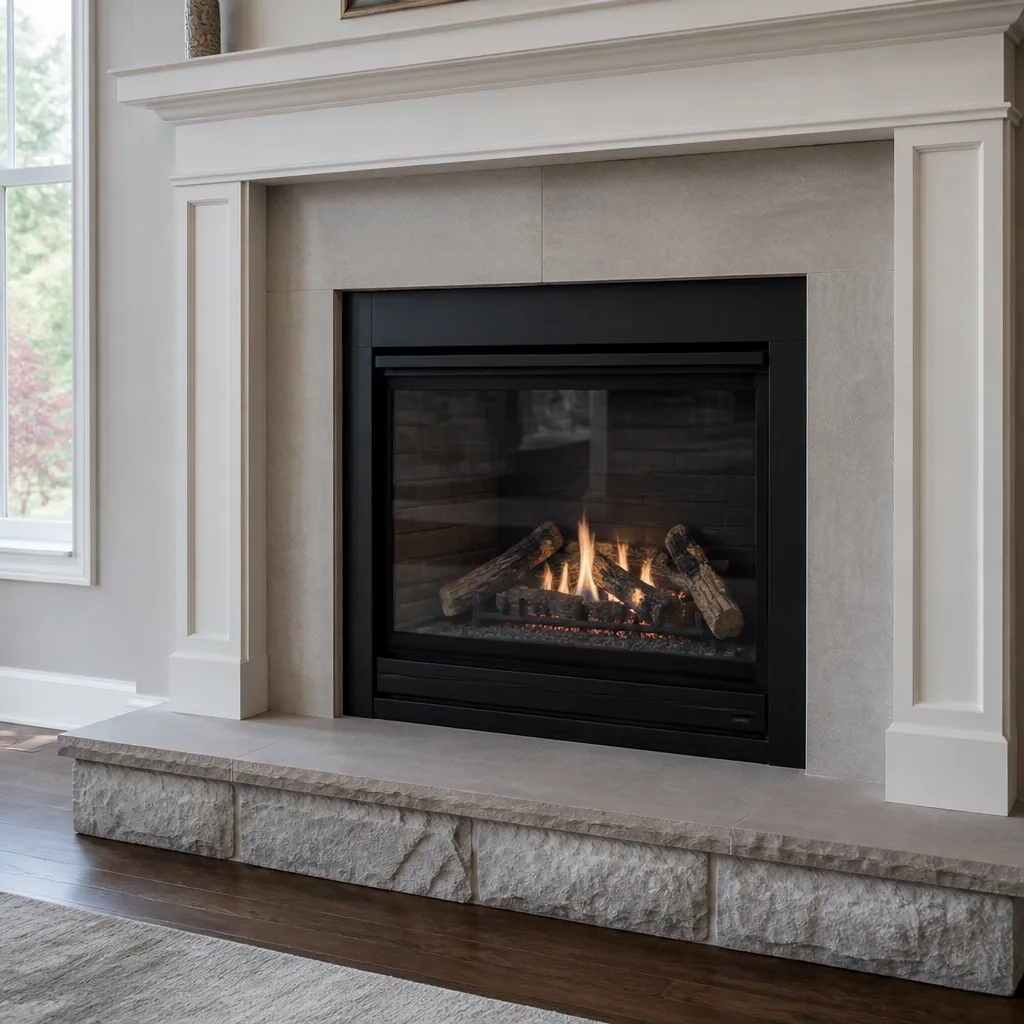 Gas fireplace service
Level 1 sweep and inspection to the NFPA 211 annual standard - flue, crown, cap, and flashing checked and photographed
Chimney sweep logs do not sweep chimneys. They loosen some creosote - which then falls where a brush and vacuum still have to collect it.
Chimney Cleaning Emergency Preparedness Guide for Arlington Homes
A chimney fire doesn’t always announce itself with a roar. Sometimes it’s a low rumble you mistake for wind, or a smell you can’t quite place, or a puff of smoke that shouldn’t be there. By the time the problem is obvious, the flue liner can already be damaged and combustion gases can already be moving into spaces they were never meant to reach. Most homeowners in Arlington have never had to think through what they’d actually do in those first sixty seconds, and that’s the gap this guide closes. You’ll learn how to tell an active chimney fire from a draft problem or a blockage, the exact sequence of actions to take, what happens after the fire department leaves, and what your insurer will expect from you. We’ve worked on enough Arlington chimneys to know the specific failures this housing stock and climate produce.
Quick Answer
A suspected chimney fire in Arlington means three things in order: get everyone out of the house, call 911, and close the damper and glass doors only if you can do it safely on your way out. Do not throw water into the firebox. Do not use the fireplace again until a professional inspects the flue, and get that inspection in writing because your insurer will ask for it.
Styles & brands we work with
- Sweep & inspection
- Caps & crowns
- Flue relining
- Masonry repair
- Gas fireplace service
Table of Contents
- How Do You Tell a Chimney Fire From a Draft Problem?
- What Is the Correct Sequence of Actions During a Suspected Chimney Fire?
- Why Do Arlington Chimneys Block Up, and What Do You Do When Smoke Enters the Room?
- What Happens After the Fire Department Leaves?
- What Does the Post-Emergency Inspection Need to Cover?
- What Should You Document for Your Insurer?
- How Do You Prepare Before the First Cold Night?
- Common Mistakes to Avoid
- When to Call a Professional
- Frequently Asked Questions
How Do You Tell a Chimney Fire From a Draft Problem?
A chimney fire is hot, fast, and often quiet; a draft problem is cold, slow, and usually smells like the fireplace is pushing smoke back into the room. The two get mixed up constantly because homeowners in Arlington light the first fire of the season on a cool evening, get smoke in the living room, and assume something is burning inside the chimney. Nine times out of ten it’s a cold flue that hasn’t established an upward draft yet. The tenth time, it isn’t.
Here are the signals that separate the two, in the order we ask about them on the phone:
- Sound. An active fire often makes a low, rumbling noise like a distant train, or a series of rapid pops and cracks. A draft problem is silent or makes a soft, breathy sound as air moves the wrong way.
- Smell. A chimney fire produces a hot, acrid, almost chemical smell, sometimes with a burning-glue edge from creosote. Ordinary smoke smells like wood. Backdraft smells like last winter’s soot.
- Smoke behavior. A puffy, rolling spill of smoke into the room that clears once the fire warms up points to a cold flue. A steady, forced push of smoke, especially with heat you can feel on the fireplace face, points to a blockage or a fire.
- Visible signs outside. If you can safely look from the yard, thick dark smoke or flames from the chimney top, or sparks, mean an active fire. Dense white or gray smoke that stops after a minute is usually creosote igniting and self-extinguishing, which is still a sign to stop using the fireplace.
- Heat transfer. A hot chimney breast in a room that hasn’t had a fire in hours, or heat you can feel through the wall, is a warning sign worth acting on immediately.
If you’re not sure which scenario you have, treat it as a fire. Evacuate, call 911, and let a professional sort it out. The cost of a false alarm is nothing compared to the alternative. If the fire department clears the house and tells you it wasn’t a fire, our chimney sweep team can look at the flue and tell you why it was pushing smoke back in the first place.
What Is the Correct Sequence of Actions During a Suspected Chimney Fire?
One of the most common mistakes we hear about is homeowners reaching for a bucket of water before they call 911. Water on a creosote fire inside a hot flue can flash to steam, crack the clay tiles, and drive burning material up the chimney at speed. The right sequence is shorter and safer than most people expect.
- Get everyone out first. Adults, kids, pets, out the nearest door. No stopping to grab belongings. If there’s smoke in the house, stay low.
- Call 911 from outside. Say “chimney fire” clearly, give the address, and describe what you can see from the yard. Do not go back inside to check on the fire.
- If you can do it on the way out, close the fireplace glass doors and the damper. Closing the air supply starves the fire. If you can’t reach them safely, leave them. Nobody should re-enter a smoky house to close a damper.
- Do not spray water or a fire extinguisher up the flue. It’s not effective against a hot creosote fire and it can cause structural damage. Let the fire department handle it.
- Note the time. When the fire started, when you noticed it, when the fire department arrived. Your insurer will ask.
- Stay off the fireplace. No fire, no test fire, no burning a candle in the firebox to “see if it’s okay.” A professional inspection must clear the flue before it gets used again.
The whole sequence should take under two minutes. Practice mentally once a season so it isn’t a cold decision on the night you actually need it. The chimney fire you catch in the first sixty seconds is the one you walk away from with a repair instead of a rebuild.
If you’re reading this on a Tuesday night and not sure what your flue looks like, our crew answers the phone. We answer 24/7. Fast dispatch from 7am to 7pm. If you call outside dispatch hours, we’ll book you into the next opening, Sunday through Friday. That’s the calm version of the same call.
Why Do Arlington Chimneys Block Up, and What Do You Do When Smoke Enters the Room?
Sudden smoke in the living room is the most common chimney call we get in Arlington, and it usually has nothing to do with fire. Chimneys here are worked hard from the first cool night in November through the odd cold snap in March, and the warm gaps in between are when birds, squirrels, and wasps move in.
The most frequent blockages we find:
- Bird and squirrel nests in uncapped flues. A squirrel can stuff a flue in a single afternoon, and it often happens during a warm spell when nobody’s thinking about the fireplace.
- Leaves and debris blown across the roof into an open chimney top. Arlington sits in a part of North Texas where a strong cold front can move a lot of light material in a short time.
- Creosote flaking from a previous season, dropping down and bridging the flue opening.
- Disconnected or crushed liner sections that sag into the flue and close off the draft.
- Storm debris after one of the spring hailstorms and wind events that roll through the area.
If smoke suddenly rolls into the room, or the fire won’t draw at all, stop feeding it. Open a nearby window a crack to relieve pressure, let the fire burn down naturally, and don’t relight it until a professional has looked at the flue. Never climb onto the roof to investigate yourself, especially after a storm. Roof access is where homeowners get seriously hurt.
The permanent fix for most of these is a proper cap and a flue inspection before the season starts. A cap pays for itself in a single season, and it’s the cheapest thing you can do to prevent a very inconvenient mid-winter call.
What Happens After the Fire Department Leaves?
The fire department clears the scene when the fire is out and the house is safe to re-enter. That’s not the same as “the chimney is fine.” A fire crew’s job is to put the fire out and check for extension into the structure. Our job is to check what the fire did to the tile, the liner, the mortar joints, and the smoke chamber above the damper. Those are different questions.
What a chimney typically looks like after a small fire:
- Hairline cracks in the clay tiles. These open up with heat and can let combustion gases pass behind the liner into the surrounding framing.
- Spalled tile faces. Chunks of tile flake off where the fire got hottest, which reduces the protective layer.
- Compromised mortar joints. The joints take the heat first. Once they crack, they’re a path for gases and heat.
- Warped or damaged dampers. A damper that won’t seat after a fire is a hazard because it can’t close during the next one.
- Creosote glazed onto the flue walls. A hot fire can turn soft creosote into a hard, glassy layer that’s much harder to sweep.
The floor rule is simple: the fireplace stays off until a professional writes down what they found. That includes the “it seemed small” fires. The most damaging chimney fires we inspect are the ones the homeowner never told anyone about, because they self-extinguished and the house looked fine. The cracks are still there.
We answer the phone when you need to book the follow-up inspection. We answer 24/7. Fast dispatch from 7am to 7pm.
What Does the Post-Emergency Inspection Need to Cover?
A post-fire inspection is not the same as a routine annual sweep, and an inspection that only looks down the flue from the top misses most of what matters. If your inspector doesn’t check all of the following, ask them why.
- Full flue interior from the firebox to the chimney cap, with a camera. Photos are non-negotiable. You should be able to see what the inspector saw.
- Tile condition and joints. Cracks, spalling, misaligned sections, and open mortar joints, with their location noted.
- Smoke chamber above the damper. This is where a lot of fire damage hides, and it’s where combustion gases pool before they head up the flue.
- The damper for function, seal, and heat damage.
- The chimney exterior from the roofline: crown, flashing, mortar, and cap condition.
- Adjacent structure for any sign of heat transfer or smoke intrusion, especially in the attic and around the framing where the chimney passes through.
- Clearance to combustibles where the chimney meets the roofline and framing.
If the tile is cracked, there are two repair tiers. A resurfacing system like HeatShield can repair a flue with small cracks and spalled joints without tearing out the chimney. If the liner is compromised more severely, or the flue is unlined, a stainless liner from a brand like DuraFlex or Copperfield is the structural fix. A band-aid here isn’t just ineffective, it’s unsafe. Ask for the camera video and the written report; a professional will hand both over without hesitation.
What Should You Document for Your Insurer?
Chimney fire claims get denied or delayed for one reason more than any other: the homeowner can’t prove what happened or what the flue looked like before the fire. This is where a professional written inspection report earns its keep.
What to have in hand when you call your insurer:
- Date, time, and description of the incident. When you noticed it, what you saw, and what the fire department reported.
- The fire department’s incident number and any written report. Ask for it before the crew leaves if you can.
- Photos and video of the chimney from the yard, the firebox, and any smoke damage inside the house, taken before cleanup.
- A written inspection report from a qualified chimney professional, with photos of the flue condition before and after the fire. This is the document an adjuster weighs most heavily.
- Receipts for any prior sweep or inspection. Your own maintenance record backs up a claim that the flue was properly maintained.
- A written estimate for the repair, not a verbal number. Line items, not a lump sum.
If you don’t have a recent inspection report, that’s not a reason to skip the follow-up. Get the post-fire inspection documented first, then talk to your insurer. A chimney professional who works on these claims regularly will give you a report organized the way an adjuster expects to see it. We work with insurers, not around them, and we’ll hand you the report directly so you have it in writing.
How Do You Prepare Before the First Cold Night?
An emergency plan is what you fall back on when prevention fails. Prevention is what you do in October, when the fireplace is still cold and the calendar hasn’t caught up with the weather.
- Book a chimney sweep and inspection before the first fire. A sweep clears the creosote load so a fire has less to feed on, and an inspection catches cracked tiles and loose joints before a fire finds them.
- Get a chimney cap installed or repaired. The single best fix we can recommend for Arlington homes, because it stops the bird and squirrel nest problem outright.
- Learn your flue. Which fireplace has a working damper, whether your flue is lined, and whether your chimney has a cap. Two minutes of knowledge now saves ten minutes of panic later.
- Keep a fire extinguisher rated for wood fires on the same floor as the fireplace. For a chimney fire, call 911 first; the extinguisher is for nearby combustible materials, not for the flue.
- Burn dry, seasoned wood. Wet wood creates more creosote, faster, and creosote is the fuel a chimney fire feeds on.
- Have your dryer vent cleaning checked on the same visit. Dryer vents are the other household venting system that builds up lint and catches fire. If you’re going to schedule one call, schedule both. NFPA fire-safety standards apply to dryer vents too, and most chimney companies skip it entirely.
A chimney cap and a proper sweep are the two cheapest things that prevent the expensive call. If your fireplace is on a warm-weather break and you can’t remember the last time it was looked at, that’s the best time to book.
Common Mistakes to Avoid
- Throwing water on a chimney fire. It can flash to steam, crack the liner, and drive burning material into the surrounding framing. Call 911 and evacuate; leave the water alone.
- Assuming a small fire is harmless. A low, quiet fire can still crack tiles and glaze creosote. The damage is in the flue, not the firebox, so you can’t see it from the living room.
- Relighting the fireplace to see if it’s fine. After a suspected fire, the flue stays cold until an inspector clears it in writing. Test fires are how small cracks become big ones.
- Not capping an Arlington chimney. Uncapped flues are the reason for most of the sudden-blockage calls we get. A bird nest doesn’t care that it’s the first cold night of the year.
- Skipping the written report. A verbal “looks fine” from anyone is not a document your insurer will accept, and it doesn’t help you prove what the flue looked like before the incident.
- Climbing on the roof to check the chimney after a storm. Roof access after a hail or wind event is the leading cause of the injuries we hear about, not the chimney itself. Let a trained technician go up there.
- Using a generalist handyman for the repair. A sweep-only or handyman service will often clean and then refer you for the liner work. If the same visit doesn’t include the repair capability, you’re hiring twice.
When to Call a Professional
Call a professional if you’ve had any chimney fire, even a small one. Call if you smell a hot, acrid odor near the fireplace, if smoke is entering the room and won’t clear, or if the fire won’t draw at all. Call if you find debris, a nest, or a cap missing from the chimney top. Call if your damper won’t close, if the chimney breast gets hot when there’s no fire, or if you’ve never had the flue inspected and don’t know whether it’s lined. And call us before the cold season hits if you’ve bought a home in Arlington in the last year and don’t have a maintenance record for the fireplace.
We offer free estimates in Arlington. Call (866) 942-6157. We answer 24/7. Fast dispatch from 7am to 7pm, Sunday through Friday. If you call outside dispatch hours, we’ll book you into the next opening.
Frequently Asked Questions
Get everyone out of the house and call 911 from outside. Close the fireplace glass doors and damper only if you can do it on your way out, and never go back inside to check. Do not throw water into the firebox; it can crack the liner and worsen the fire. Call (866) 942-6157 for a follow-up inspection once the fire department clears the scene. Estimates are free.
A real chimney fire sounds like a low rumble or a series of pops, smells hot and acrid, and doesn’t clear with a cracked window. A draft problem is quiet, smells like smoke or soot, and usually clears once the fire warms the flue. If you’re not sure which one you’re dealing with, treat it as a fire and evacuate. Call (866) 942-6157 to book an inspection so you know what’s actually in the flue. Estimates are free.
No. Not until a professional inspects the flue and clears it in writing. Even a small fire can crack tiles, open mortar joints, or glaze creosote, and the damage isn’t visible from the firebox. Call (866) 942-6157 to book the post-fire inspection. Estimates are free.
In Arlington, the most common cause is a sudden blockage, often a bird or squirrel nest in an uncapped flue. A cold flue, a damaged liner, or a storm deposit of leaves can also cause it. Stop feeding the fire and let it burn down, then book an inspection before you light it again. Call (866) 942-6157. Estimates are free.
Most homeowner policies cover damage from a sudden chimney fire but deny claims where the cause was lack of maintenance, so your written inspection and sweep record matter. Keep the fire department’s incident number, photos of the scene, and a professional written report with the flue photos attached. Call (866) 942-6157 to book an inspection and a written report you can hand to your adjuster. Estimates are free.
An annual inspection is the baseline, and a sweep is done whenever the creosote load reaches the point where it’s a fire risk. Homes that burn regularly through the season typically need a sweep once a year. Homes that use the fireplace rarely still need the annual inspection because blockages from birds and debris happen without any fires being lit. Call (866) 942-6157 to book. Estimates are free.
Chimney work in Arlington starts with a real understanding of the local housing stock, the way fireplaces are used here, and the specific failures that turn a routine autumn fire into an emergency. Our technicians have up to 12 years of experience working on this equipment, we carry professional-grade materials from brands like DuraFlex and HeatShield, and one call covers your chimney sweep, any needed repairs, and dryer vent cleaning. We’ll show you exactly what we find and what it means. If your flue needs resurfacing or a new stainless liner, we do that work with the same visit. For a broader view of our services, see Thrive Chimney Sweep and our Arlington overview.
The Bottom Line
A chimney emergency is survivable and often repairable; a chimney emergency mishandled is how small fires become big ones. The core sequence is short: get everyone out, call 911, close the damper if you can do it safely on the way out, never throw water into the flue, and don’t use the fireplace again until a professional inspects it in writing. In Arlington, the most common emergencies are sudden blockages from uncapped flues, and most of those are preventable with a chimney cap and a pre-season sweep. A written inspection report is the document that protects you with your insurer, and it’s the document that tells you what the flue actually needs.
The best time to prepare for a chimney fire is the season before it happens. If you’re not sure what your flue looks like right now, book the inspection before the first cold night.
Call (866) 942-6157 for a free estimate. We answer 24/7. Fast dispatch from 7am to 7pm, Sunday through Friday.
Written by the team at Thrive Chimney Sweep.
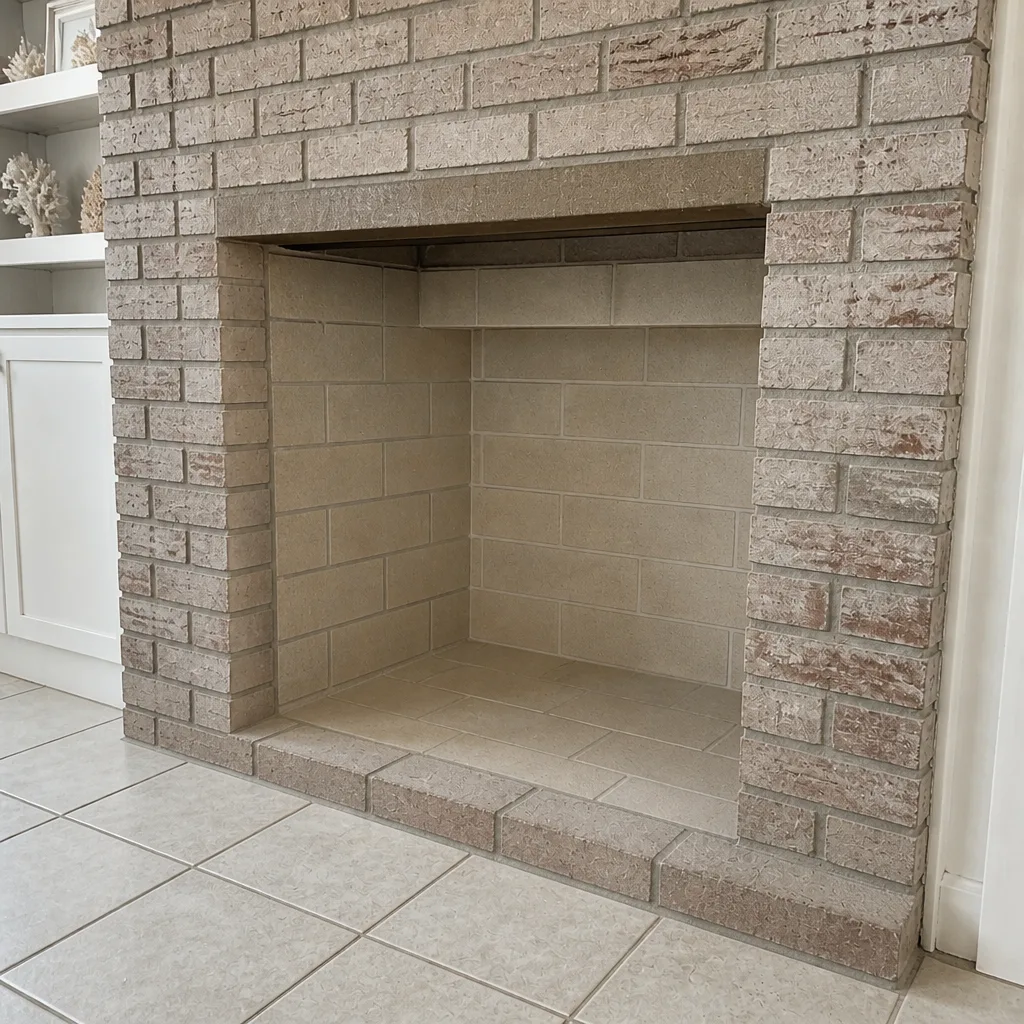
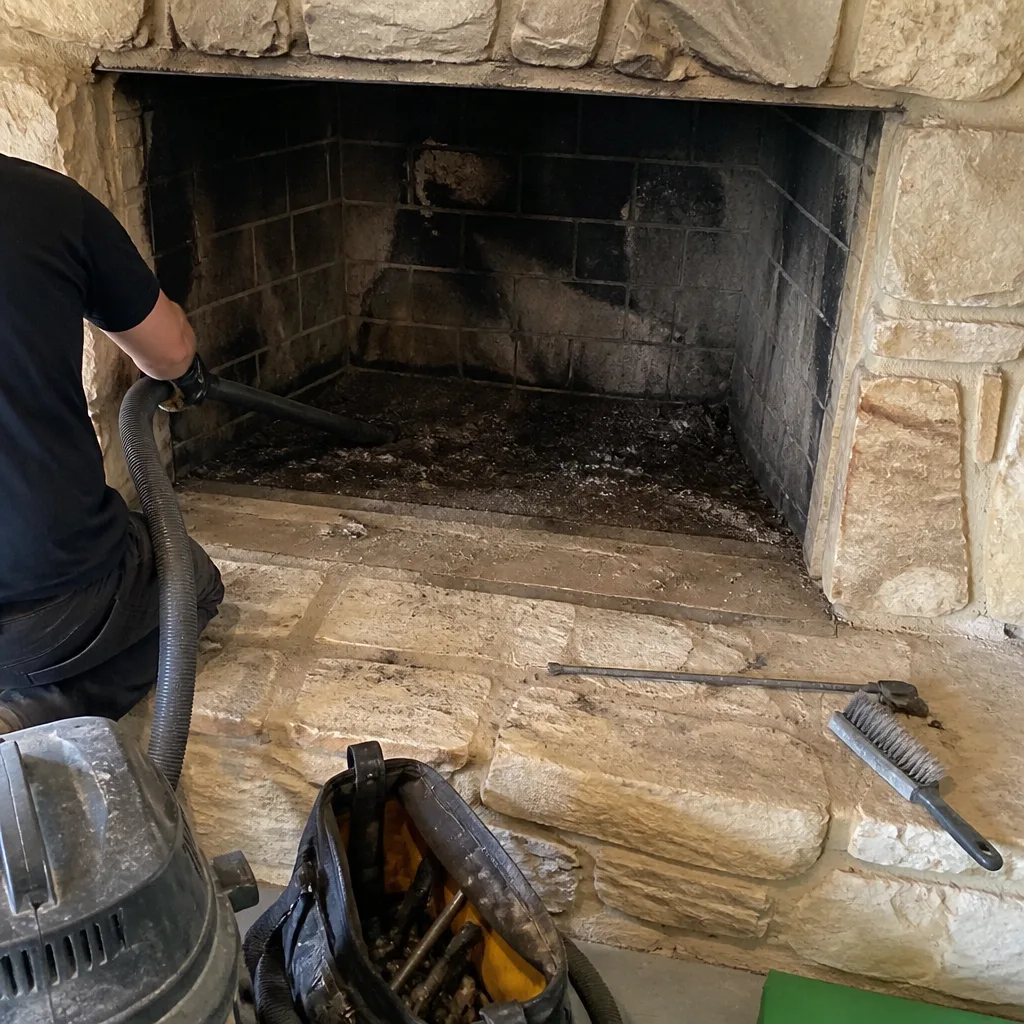
See the difference
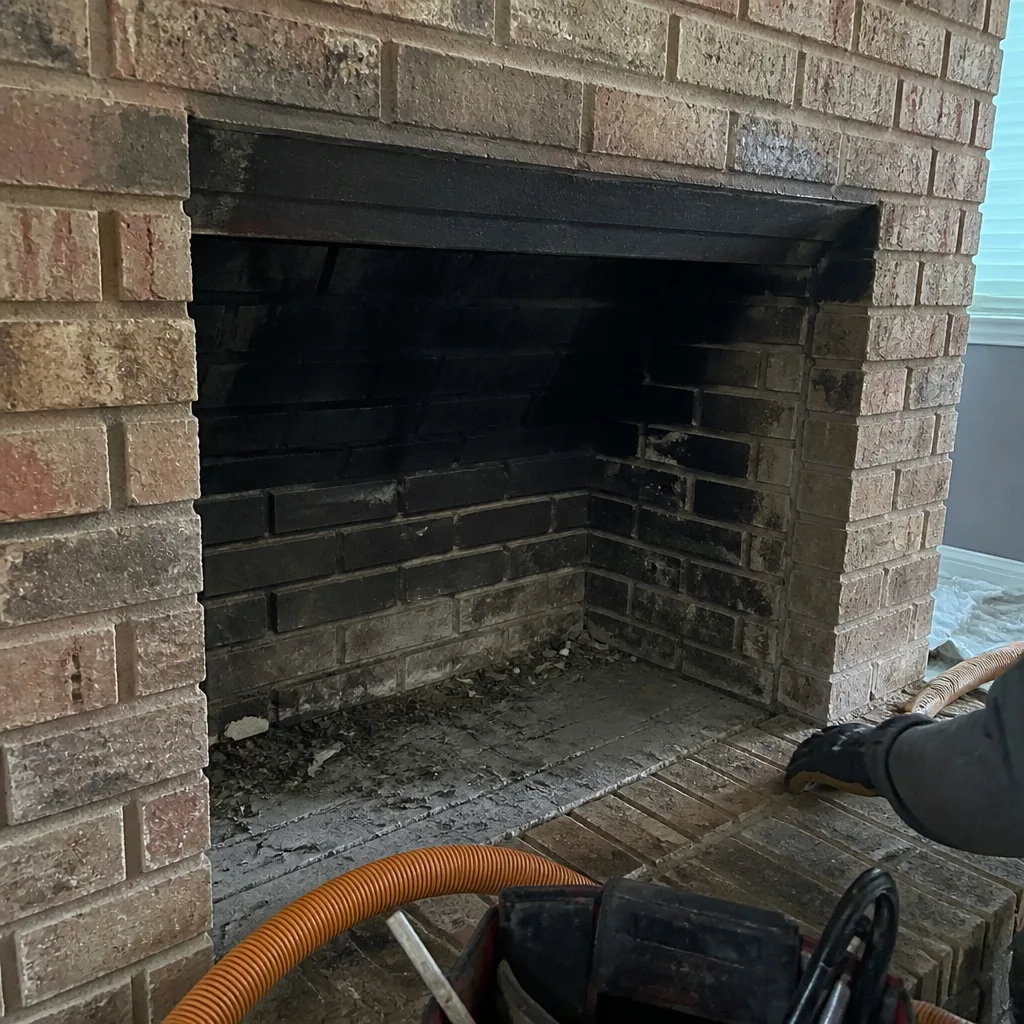 Before
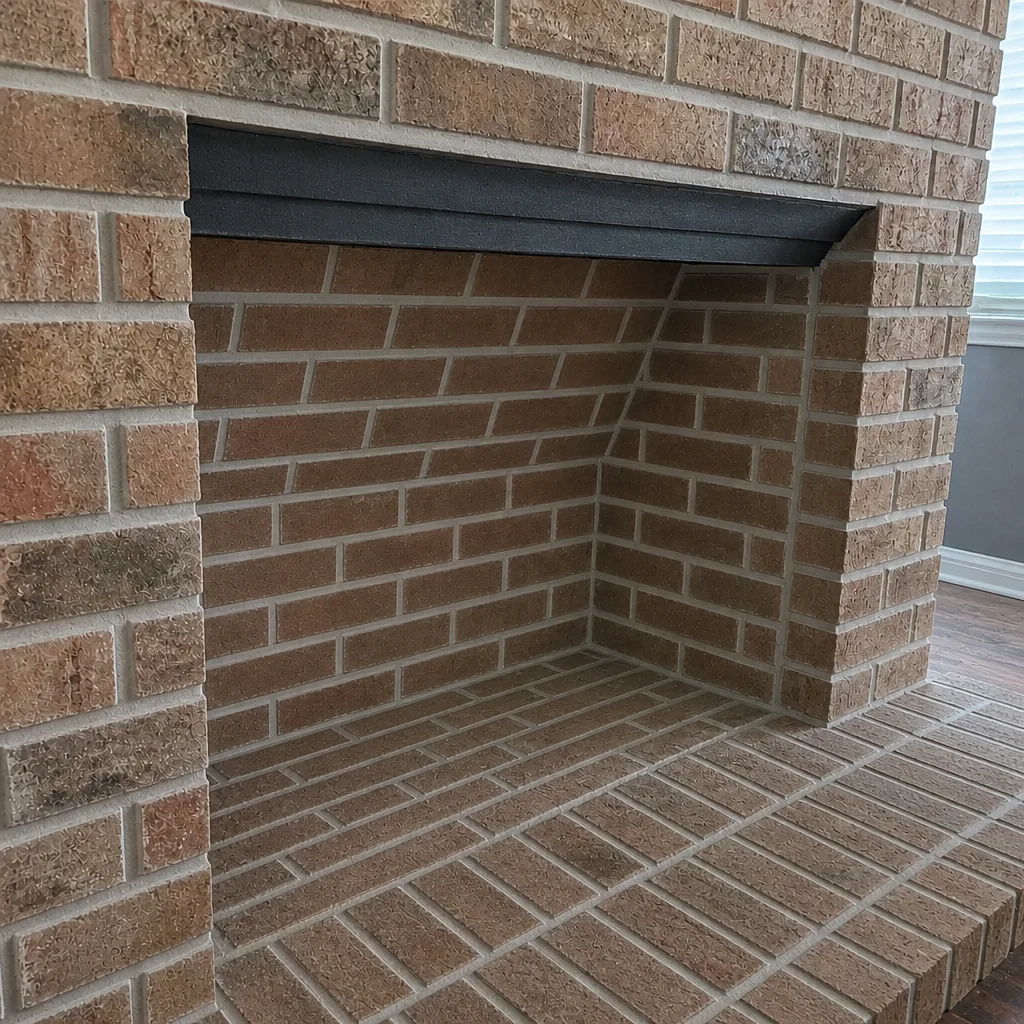 After
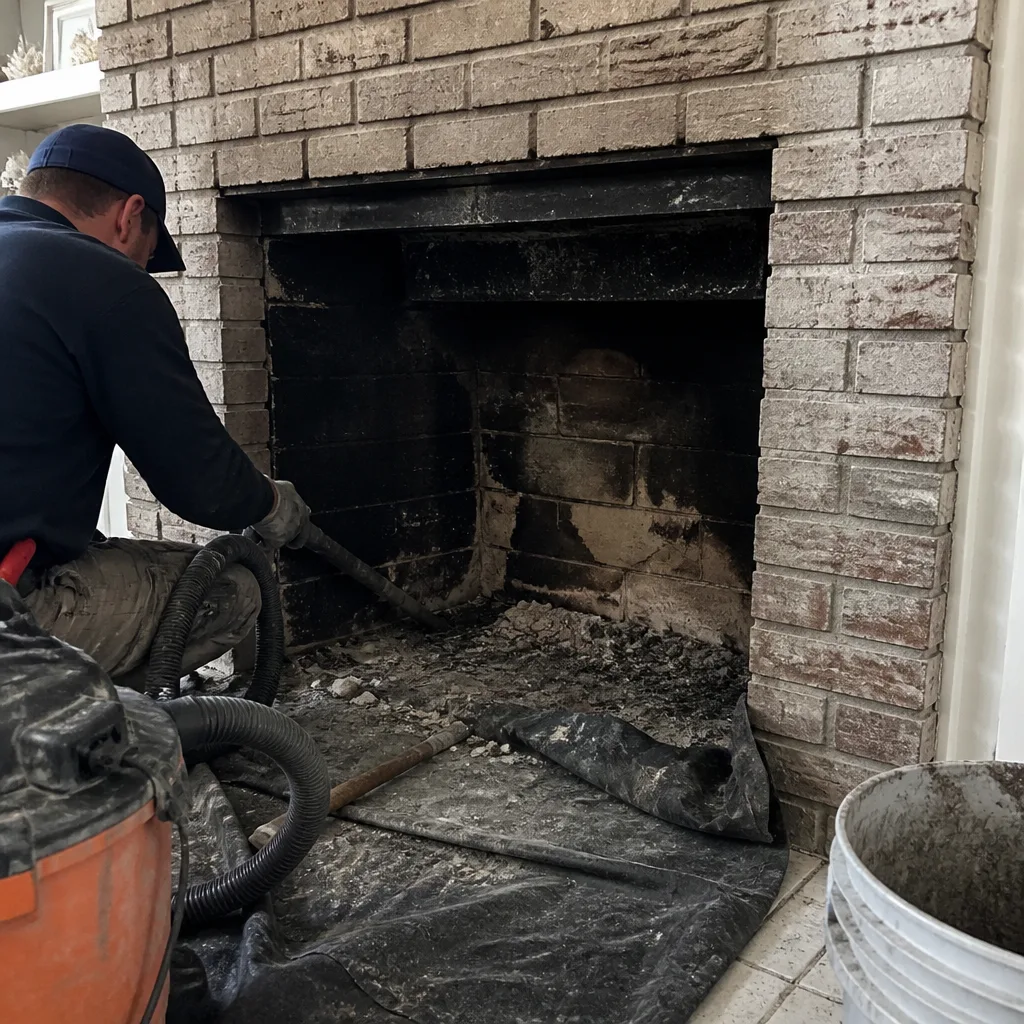 Before
 After
 Before
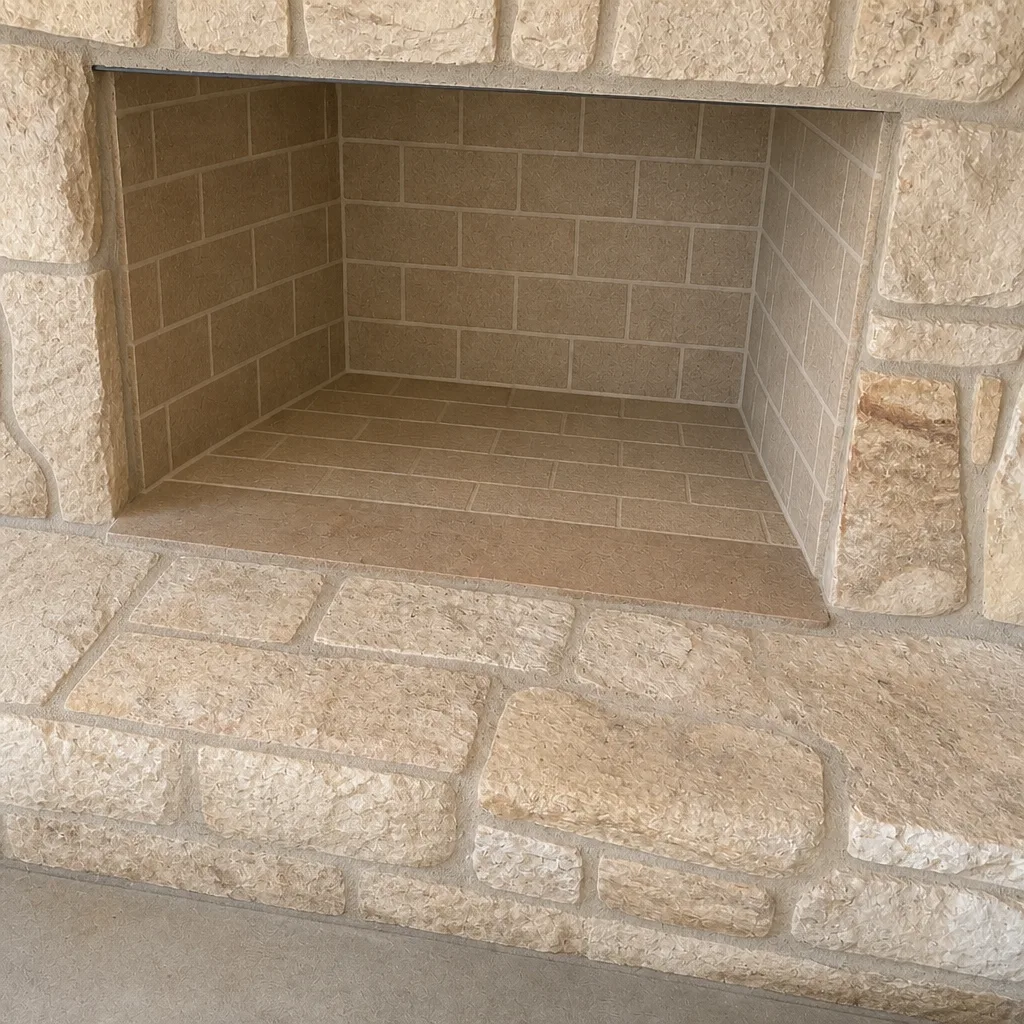 After