
Last updated November 15, 2026
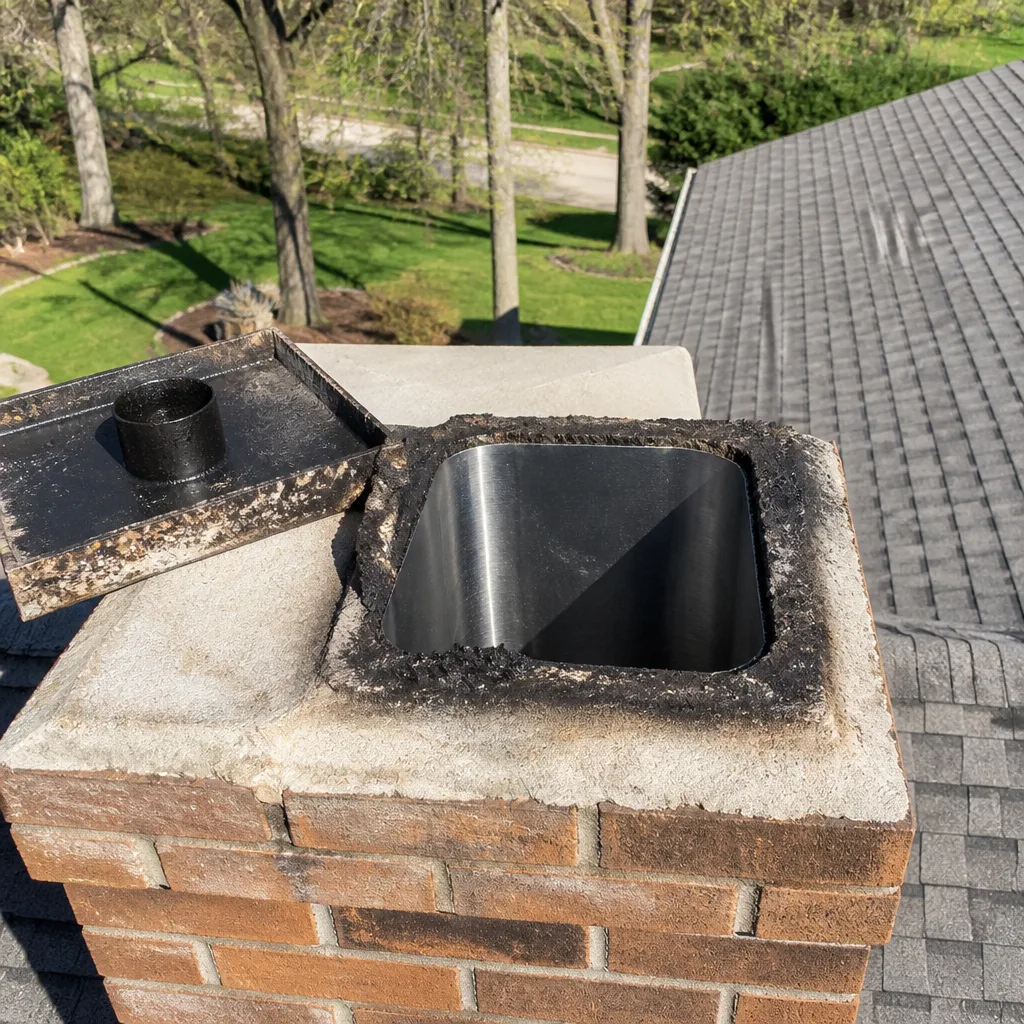 Sweep & inspection
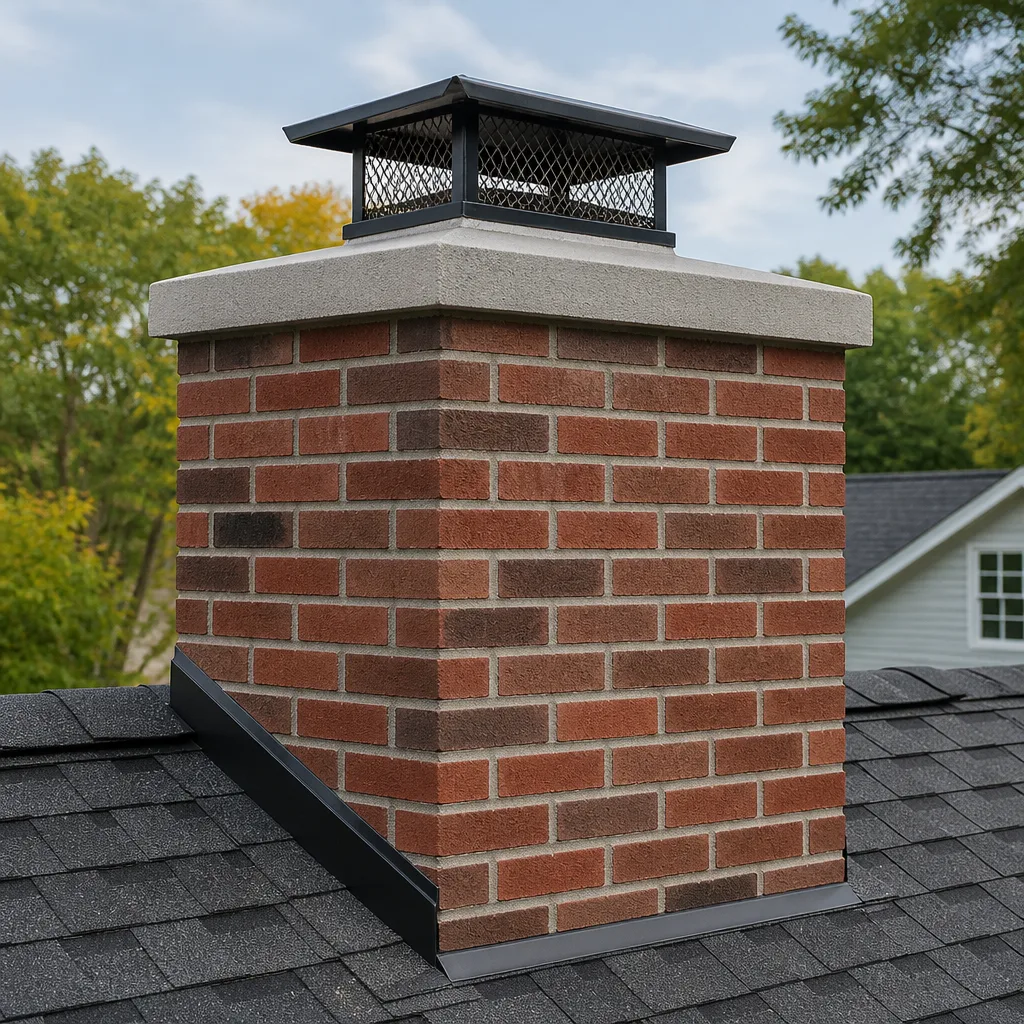 Caps & crowns
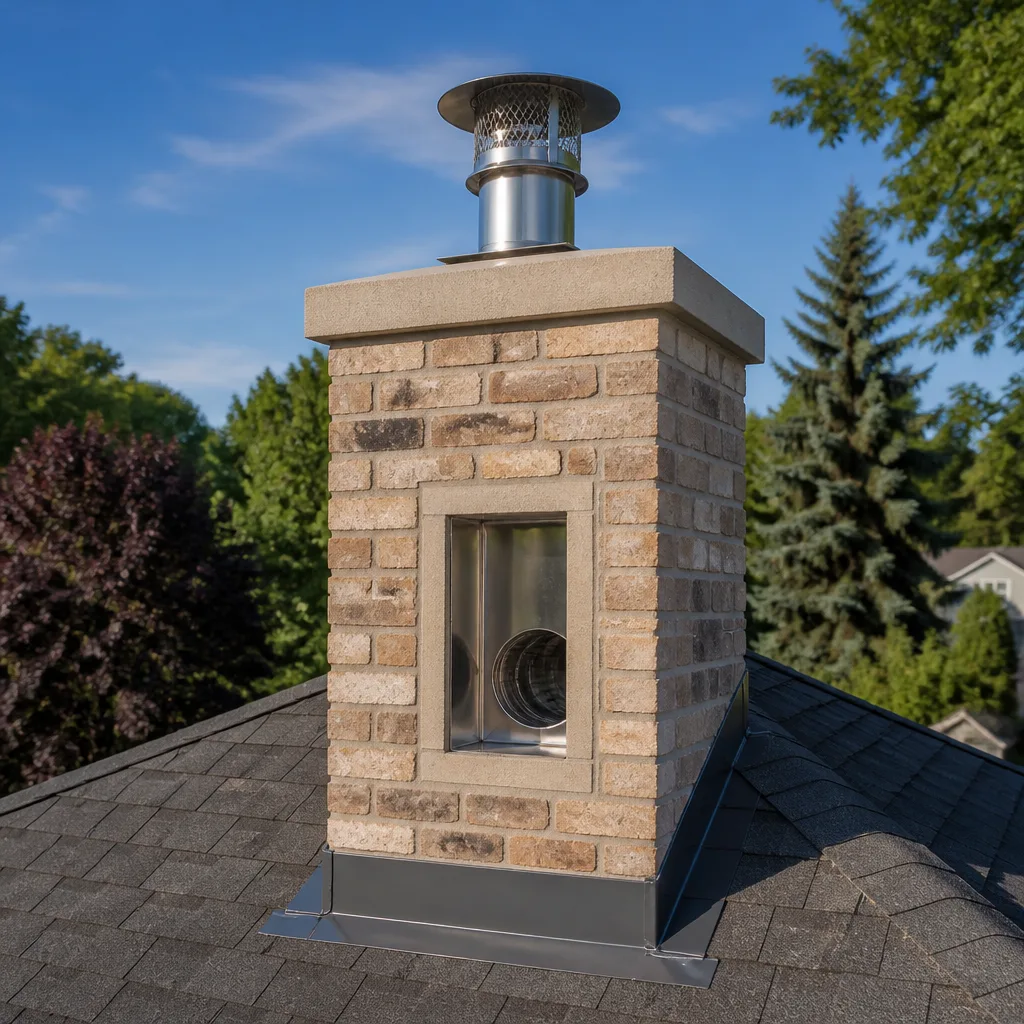 Flue relining
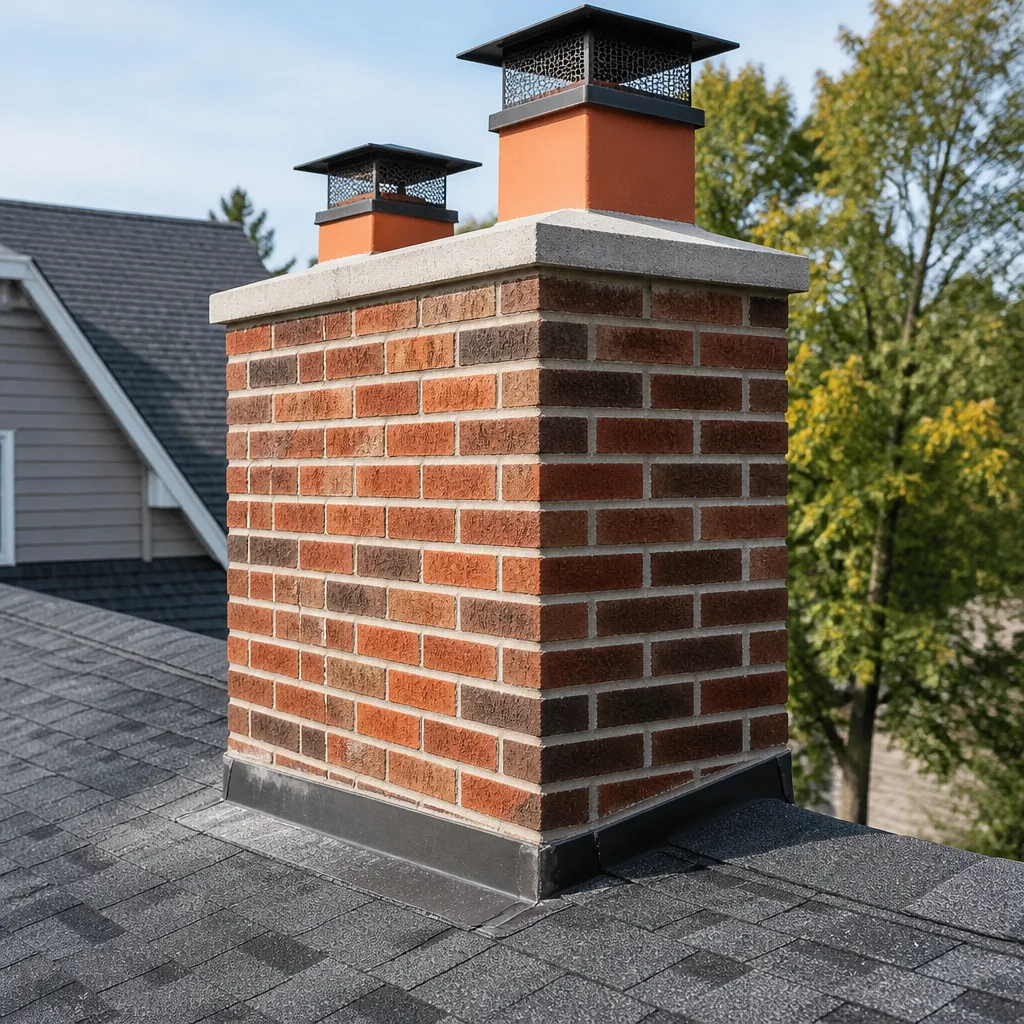 Masonry repair
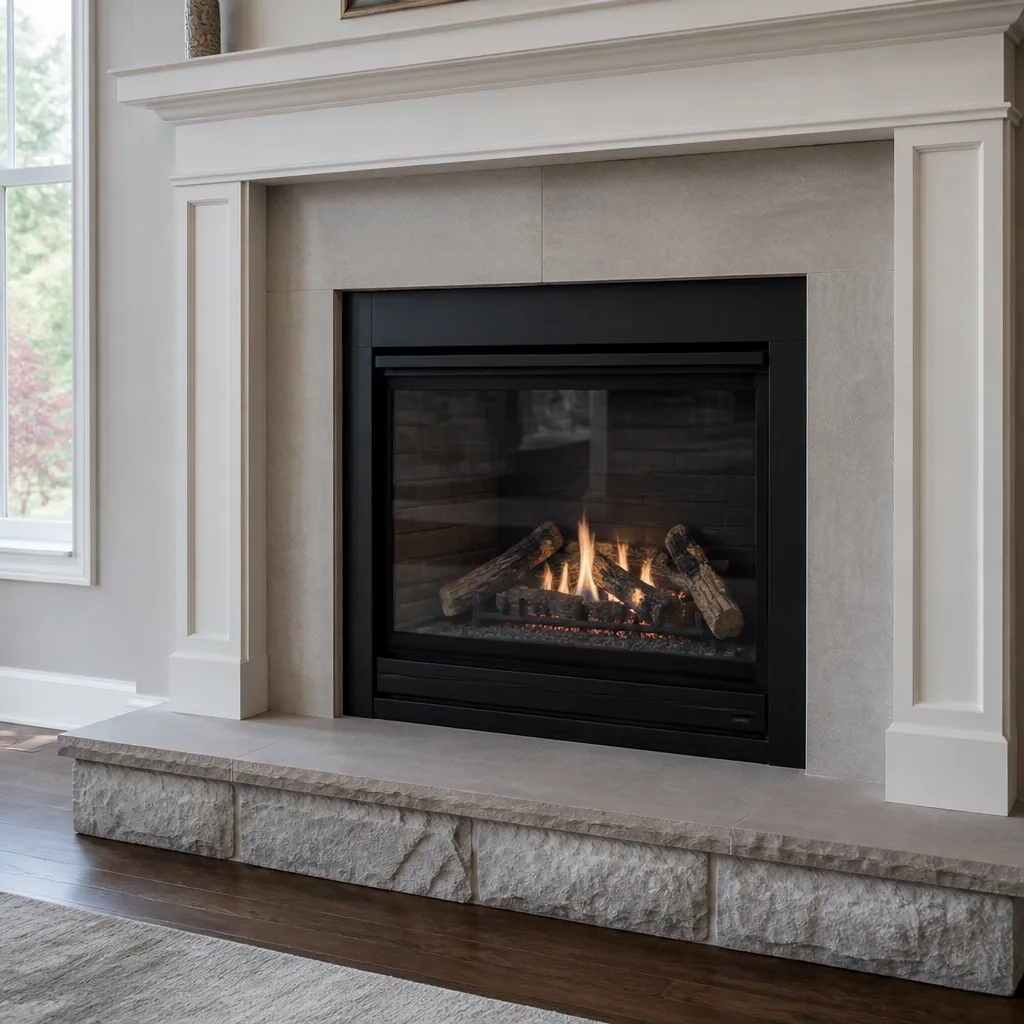 Gas fireplace service
Level 1 sweep and inspection to the NFPA 211 annual standard - flue, crown, cap, and flashing checked and photographed
Chimney sweep logs do not sweep chimneys. They loosen some creosote - which then falls where a brush and vacuum still have to collect it.
The Complete Guide to Chimney Cleaning in Arlington
Most chimney fires don’t start in January during heavy use. They start in October or November, on the first fire of the season, when a flame finally reaches creosote that has been curing in a humid North Texas attic space since spring. That timing is preventable, but only if you understand why an Arlington chimney behaves differently from the ones in generic online guides written for drier climates. Clay soil, humid summers, and 1990s-era building stock all shape how your flue draws, how fast creosote hardens, and what a cleaning actually needs to accomplish. We’re going to walk through all of it: how creosote forms here, what the three inspection levels mean, why older masonry flues run undersized, what a real cleaning visit includes, and how to read the report you get afterward.
Quick Answer
Chimney cleaning in Arlington means removing creosote, soot, and blockage from the flue, then inspecting the full system – firebox, smoke chamber, damper, cap, and crown – so you know it’s safe to burn. Because North Texas humidity accelerates creosote hardening, an Arlington chimney typically needs sweeping once a year when you burn regularly, or after roughly a cord of wood. A proper visit includes a camera inspection and a written report, not just a brush pass.
Styles & brands we work with
- Sweep & inspection
- Caps & crowns
- Flue relining
- Masonry repair
- Gas fireplace service
Table of Contents
- Why Arlington Chimneys Are Different
- How Creosote Forms and Why Stage 2 Is Common Here
- Level 1, Level 2, and Level 3 Inspections Explained
- Undersized Flues in Pre-1990s Arlington Homes
- What a Full Cleaning Visit Should Include
- How to Read Your Sweep’s Report
- How Often Should You Schedule Cleaning?
- What You Can and Can’t Do Yourself
Why Arlington Chimneys Are Different
Chimneys are often described as if they were the same everywhere. They aren’t. The climate a chimney lives in determines how quickly creosote accumulates, how it cures, and how hard it is to remove. Arlington sits in a band of North Texas where summers are long, humid, and hot, and winters are short and mild. That combination creates a specific pattern homeowners here should understand.
During the summer, a chimney sits dormant for months. Warm, moist air works its way into the flue. Any creosote left from the previous season absorbs that moisture and slowly changes character – it hardens, glazes over, and bonds more tightly to the masonry. By the time you light the first fire in the fall, that creosote is no longer the soft, flaky type a brush glides through. It’s denser, and it ignites at a lower temperature.
Our clay soil matters here too. Arlington’s expansive clay holds moisture in the ground around a chimney’s foundation and exterior masonry, which means a masonry chimney wicks moisture upward through the brick. Over years, that moisture finds its way into mortar joints and the smoke chamber. A chimney that stays damp internally is a chimney that collects creosote faster and corrodes a metal liner sooner.
The practical takeaway: an Arlington chimney doesn’t get the same grace period as one in a dry, high-desert climate. Cleaning on a strict annual rhythm matters more here, and so does catching moisture problems early – before they turn into a rebuilt crown or a relined flue.
If you’re comparing companies, start with a specialist rather than a generalist. We work on chimneys and venting systems only, which is why we see the local patterns. You can read more about our approach on our Thrive Chimney Sweep home page.
How Creosote Forms and Why Stage 2 Is Common Here
Creosote is the residue of incomplete combustion. When wood burns, it releases gases and particles that travel up the flue. If the flue is cool, or the fire is smoldering, those gases condense on the flue walls and form a sticky film. That film is creosote, and it exists in three broad stages:
- Stage 1 – soot and flaky creosote: Soft, dusty, easily brushed away. This is what most homeowners picture when they think of chimney cleaning.
- Stage 2 – hardened, crusty creosote: Dense, brittle, sometimes glazed. It bonds to the flue wall and resists a standard brush. Removal typically needs specialized tools or chemical treatment.
- Stage 3 – glazed creosote: A hard, shiny, tar-like coating. This is the most flammable stage and the hardest to remove. In severe cases, the flue needs resurfacing or a full liner installation.
In Arlington, Stage 2 creosote is more common than most homeowners expect. The reason is the long humid summer. A small amount of Stage 1 creosote left from one season has months of warm, moist air to cure it into Stage 2 by the time you light the first fire of the next. That’s the hazard the opening of this guide described. The fire that reaches cured creosote is more likely to ignite it than the fire that reaches fresh soot.
This is why a “brush pass” alone isn’t a cleaning. A brush removes what a brush can reach. A proper visit includes a camera inspection to confirm no hardened creosote remains on the flue walls. When we find Stage 2 or Stage 3 buildup, we can resurface the flue with a product like HeatShield – a repair tier many sweep-only companies can’t offer – or install a new stainless liner using DuraFlex when the original flue is compromised.
One combustion habit accelerates all of this: burning unseasoned wood. Wet wood produces more smoke, more creosote, and less heat. If you’re buying firewood in Arlington, ask for seasoned hardwood and let it dry further before burning.
Level 1, Level 2, and Level 3 Inspections Explained
Not every visit is the same inspection. The industry recognizes three levels, and which one you need depends on what’s changing with your chimney, not just on what you’re willing to pay. This matters because it’s the single most misunderstood part of chimney work.
- Level 1 Inspection. A visual check of the readily accessible parts of the system – firebox, damper, smoke chamber, flue from the firebox, and the exterior at ground level. This is the standard inspection that accompanies an annual sweep. It applies when your chimney setup hasn’t changed and you’re continuing routine maintenance.
- Level 2 Inspection. Everything in Level 1, plus a full inspection of accessible portions using a camera, including the smoke chamber, flue interior, and visible parts of the attic and crawlspace where the chimney passes through. A Level 2 is triggered by a change: a new home purchase, a switch to a new fuel type, a change in appliance, an earthquake, a chimney fire, or a significant weather event. Real estate transactions are the most common reason.
- Level 3 Inspection. The most thorough, and the only one that authorizes removing or opening parts of the building – cutting into walls, opening a chase, or taking apart a section of the chimney. A Level 3 applies when a Level 1 or Level 2 has revealed a serious concern that can’t be confirmed without access.
Here’s the point most homeowners miss: you don’t choose the level by budget. You choose it by circumstance. An annual cleaning on a chimney you’ve owned for years calls for a Level 1. A house you just bought in Arlington calls for a Level 2, even if the seller says the chimney was “recently cleaned.” A chimney that has had a fire calls for a Level 2 with a follow-up to a Level 3 if the camera shows damage that can’t be assessed from outside.
Ask any company you hire which level they’ll perform and why. If they can’t explain the reasoning, that’s a sign to move on.
Undersized Flues in Pre-1990s Arlington Homes
Arlington’s building stock spans many decades, and the older homes have a characteristic many owners don’t know about. Masonry chimneys built before the 1990s building code updates often have flues that are sized for the heating appliances of that era – not for the fireplaces and wood stoves homeowners run today. Those older flues can be undersized for the smoke volume they’re now asked to handle.
An undersized flue creates two connected problems. First, it draws poorly. The flue can’t move enough air to carry all the smoke up and out, so some of it lingers in the firebox and spills into the room when you open the door. Second, that lingering smoke condenses on the flue walls faster, accelerating creosote buildup. An undersized flue in Arlington’s humid climate compounds both issues.
What does a homeowner notice? A fire that’s harder to light. Smoke that rolls out of the firebox instead of going up. A fireplace that’s fussy about wind direction. A wood stove that needs the door cracked to burn cleanly. These are signs of a draft problem, and in older masonry chimneys the underlying cause is often flue sizing or a compromised liner.
If your home was built before the 1990s and you’ve noticed any of these, a Level 2 inspection with a camera is the right first step. When the camera confirms the flue is undersized or the liner is failing, the repair isn’t a sweep – it’s a reline. A new stainless liner matched to the appliance, using a professional-trade product like Olympia Chimney, restores proper draft and gives the flue a smooth, corrosion-resistant wall that resists creosote better than rough masonry.
We install and stock professional-grade materials from DuraFlex, HeatShield, Gelco, Olympia Chimney, Famco, and Copperfield – the same specifications certified chimney engineers rely on. We don’t use hardware-store substitutes for structural repairs, because a chimney repair is a fire-safety decision, not a cosmetic one.
What a Full Cleaning Visit Should Include
A real cleaning visit covers more than most people realize. A brush pass on the flue is the visible part, but it’s one step in a sequence. Here’s what a complete visit looks like when done properly.
- Protect the room. Drop cloths or a canvas cover around the firebox and floor before any work starts. Any company that skips this step isn’t set up for residential work.
- Sweep the flue. The right brush for the flue material – poly for masonry, appropriate tools for a metal liner – worked from the top or bottom depending on the chimney’s configuration.
- Sweep the firebox and damper. Soot and creosote collect here too, and the damper has to open and close freely.
- Clean the smoke chamber. This is the sloped area just above the damper and below the flue. It’s often the dirtiest part and the most neglected by homeowners who never see it. Professional tools or a product like Gelco can resurface a rough smoke chamber that’s collecting creosote.
- Camera inspect the flue. A proper visual record of the entire accessible flue length. This is what catches Stage 2 creosote, cracked tiles, and failed liner joints that no brush will find.
- Check the cap and crown. The cap keeps animals and water out; the crown sheds water off the top of the chimney. A cracked crown is a leak waiting to happen, and in Arlington’s wet season it’s a direct path for moisture into the flue.
- Check the venting. If you have a dryer vent nearby, it’s worth a separate look. Dryer vents are a leading household fire cause and most chimney companies ignore them entirely. We clean dryer vents to NFPA fire-safety standards as part of a whole-home venting approach.
- Write the report. Every finding, photographed, with a clear recommendation. This is what you should walk away with.
One call covers your chimney sweep, any needed repairs, and dryer vent cleaning – no coordinating between contractors. If you want to see the full set of services, take a look at our Arlington page.
How to Read Your Sweep’s Report
The report is the most useful thing a cleaning company hands you, and most homeowners glance at it and file it away. Here’s how to read it with the right urgency.
Reports typically break findings into a few categories. Find the section on the flue first. Stage 1 creosote is normal and needs a sweep next season. Stage 2 with any significant coverage needs attention sooner – resurfacing or glazed creosote removal. Stage 3 glazed creosote is a fire hazard and should not wait. If the report says “Stage 2 with heavy glaze,” treat it as a repair, not a cleaning.
Next, look at the flue liner. A masonry flue has clay tiles that crack from heat and moisture. A metal liner has seams that fail over years. Cracks and gaps in the liner mean heat and creosote can reach the surrounding structure – that’s a fix-it-now item, not a schedule-it-for-later one. An unlined flue is a similar call.
Then the smoke chamber and damper. A rough, unparged smoke chamber collects creosote and slows draft. It’s a scheduled repair, not an emergency. A damper that won’t fully close is a scheduled repair too, though it should be on the calendar before next season.
Finally, the cap and crown. A missing cap needs replacing – usually a small job with an outsized benefit. A cracked crown is a scheduled repair unless water is actively getting into the flue, in which case it moves up.
We tell homeowners exactly what we find and what it means – no scare tactics, no vague recommendations. If work can safely wait, we say so. Nothing is recommended without camera evidence you can see for yourself.
How Often Should You Schedule Cleaning?
The short answer is once a year when you burn regularly, and after roughly one cord of wood. That said, Arlington’s climate and the way many homeowners use their fireplaces mean the rhythm can vary.
- Burning a few fires per week in season: annual cleaning at the start of the season, before the first fire, so creosote doesn’t have a full summer to cure into Stage 2.
- Burning most nights through the season: annual cleaning plus a mid-season inspection if the fire feels less efficient or the glass darkens quickly.
- Roughly a cord of wood or more: clean at the one-cord mark, not at the calendar year. Volume, not time, becomes the better trigger.
- Rarely or never burning: still inspect every year or two. Animals nest in an unused flue, masonry cracks grow with moisture, and the vent needs to be functional for the appliance below.
- Older pre-1990s homes: a Level 2 inspection on top of the first cleaning, then reassess. Undersized or compromised flues may need a more frequent interval.
The best trigger in Arlington is the calendar plus a weather eye. Schedule before the first cold snap of the season, when the creosote from last year is still at its softest. Waiting until the fire has been lit several times means you’re asking a brush to remove what a summer has hardened.
What You Can and Can’t Do Yourself
Homeowners often ask whether they can handle this themselves. The answer is honest: some parts of chimney upkeep are within reach for a careful homeowner, and others carry real risk.
What you can safely do: keep a cap in place, schedule a sweep on a calendar, order seasoned firewood, watch for smoke in the firebox, and read the report a professional leaves behind. Small visual checks from inside the room are fine – a missing cap, a damper that sticks, soot on the glass, smoke rolling out when the door is open.
What you shouldn’t do yourself: sweep the flue from the roof. Height work on a pitched roof over a masonry chimney is a real fall risk, and an undersized or cracked flue can’t be judged by eye from the top. Do not attempt to remove glazed creosote with chemical products – they carry serious chemical-burn and respiratory risk. Do not open up a masonry chimney to inspect the smoke chamber or liner, and do not attempt a repair of a compromised liner. These are structural and fire-safety decisions, and they belong with a trained technician who can see what the camera sees and explain it.
Our technicians have up to 12 years of experience, and we treat every visit as a safety assessment, not a maintenance box to check. A properly functioning flue is fire safety. We don’t cut corners on it, and we don’t sell services a homeowner doesn’t need.
Common Mistakes to Avoid
- Burning wet or green wood. Unseasoned wood produces more creosote than dry wood, and in Arlington’s humid air a “seasoned” stack can reabsorb moisture if it’s not covered. Buy dry, keep it covered, and burn it dry.
- Waiting until the first fire of the season to call. By then, the creosote from last year has had a full summer to cure. Schedule the sweep in early fall, before the fire, while the buildup is still soft.
- Skipping the camera inspection to save on the visit. A brush pass without a camera is a cleaning you can’t verify. Stage 2 creosote and cracked liners hide where a brush never reaches.
- Treating a “recently cleaned” note in a home sale as proof. A Level 2 inspection is the standard for a new purchase in Arlington, regardless of what the seller’s paperwork says.
- Ignoring a draft problem as a fireplace quirk. Smoke rolling into the room is a symptom of an undersized flue or compromised liner, not a harmless quality of your fireplace.
- Forgetting the dryer vent. It’s a leading household fire cause and almost never checked by chimney companies. Add it to the annual visit.
- Choosing the cheapest brush pass. An undersized or unlined flue needs a repair, not a brush. A quote that doesn’t distinguish between them usually means the camera inspection isn’t happening.
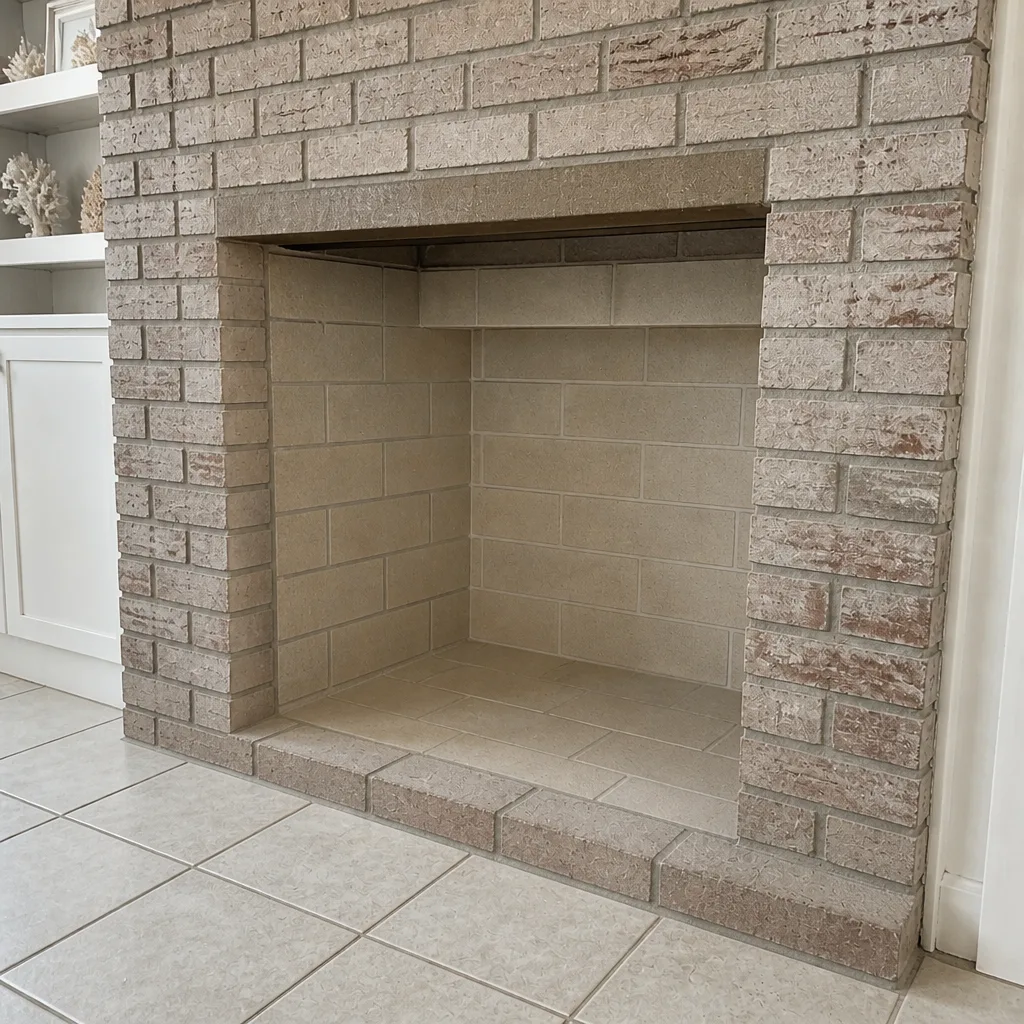
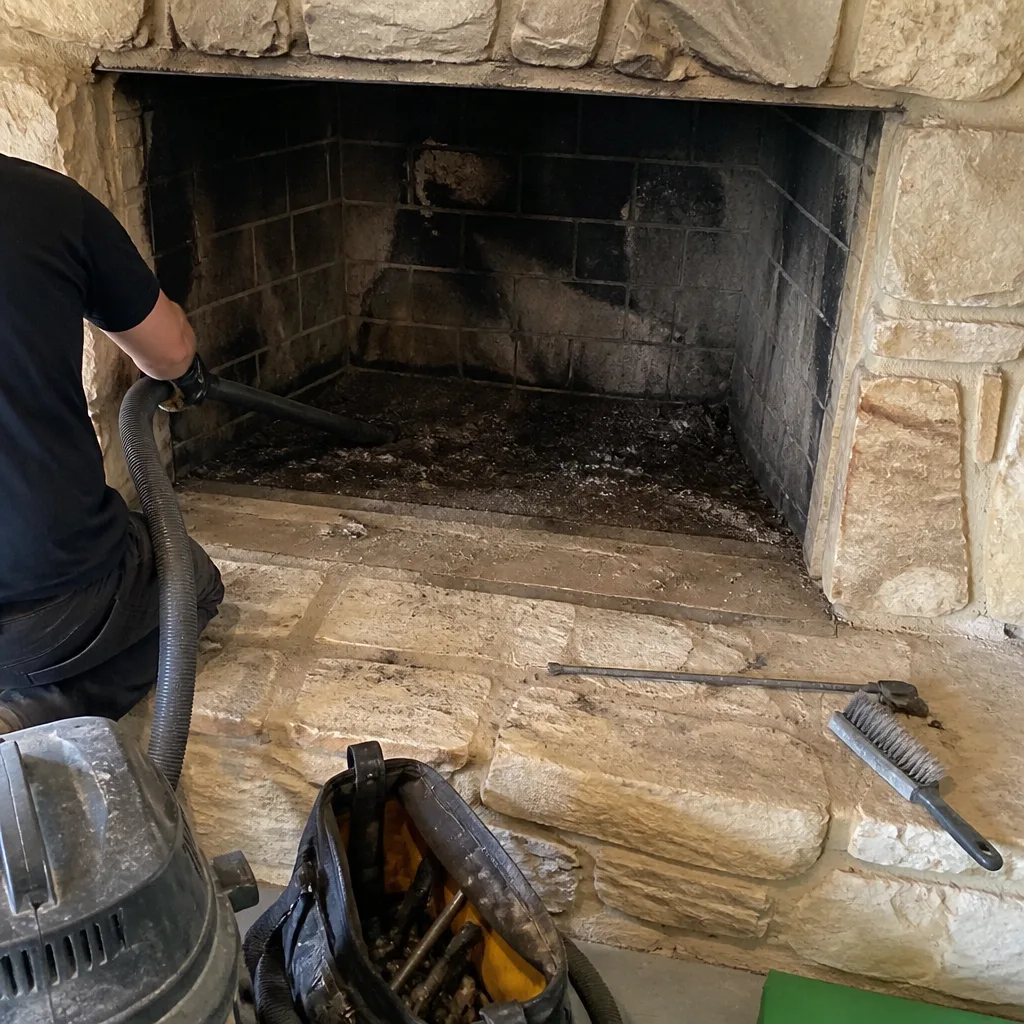
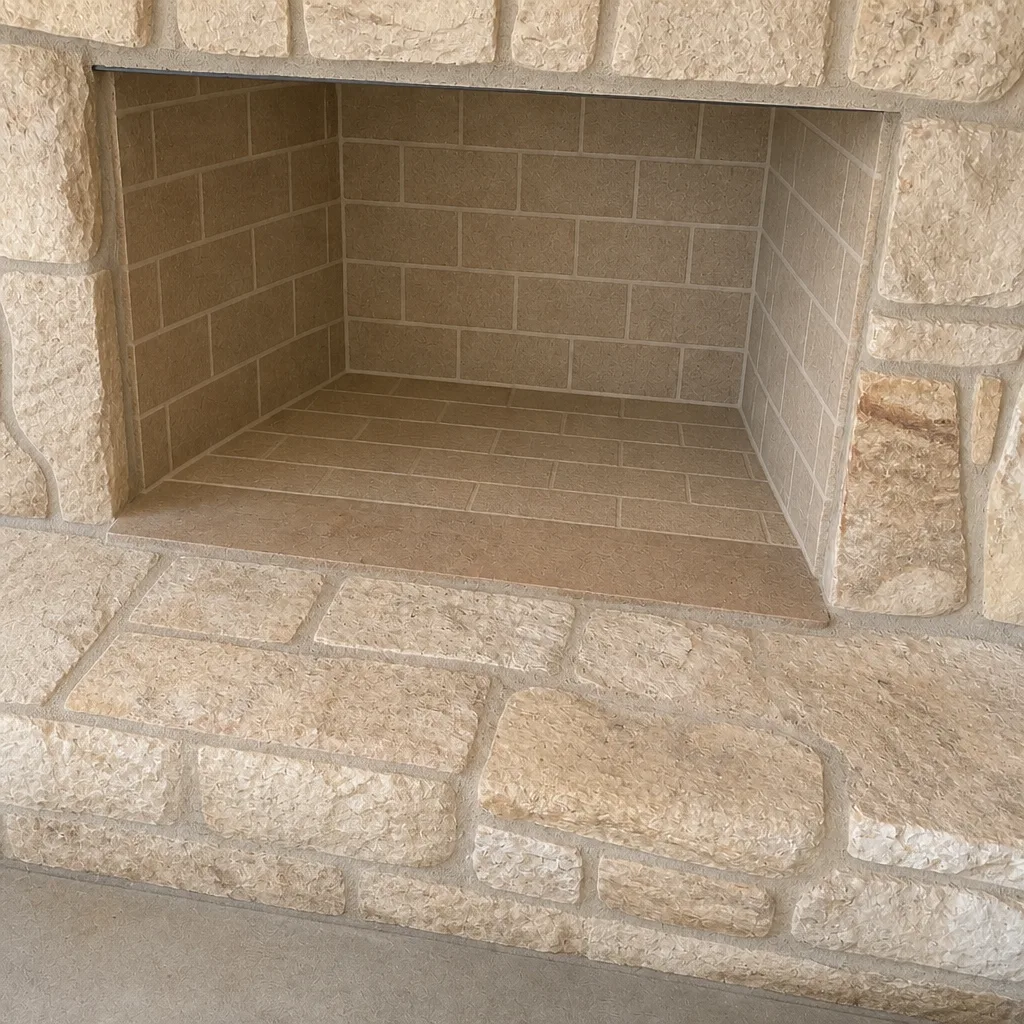
See the difference
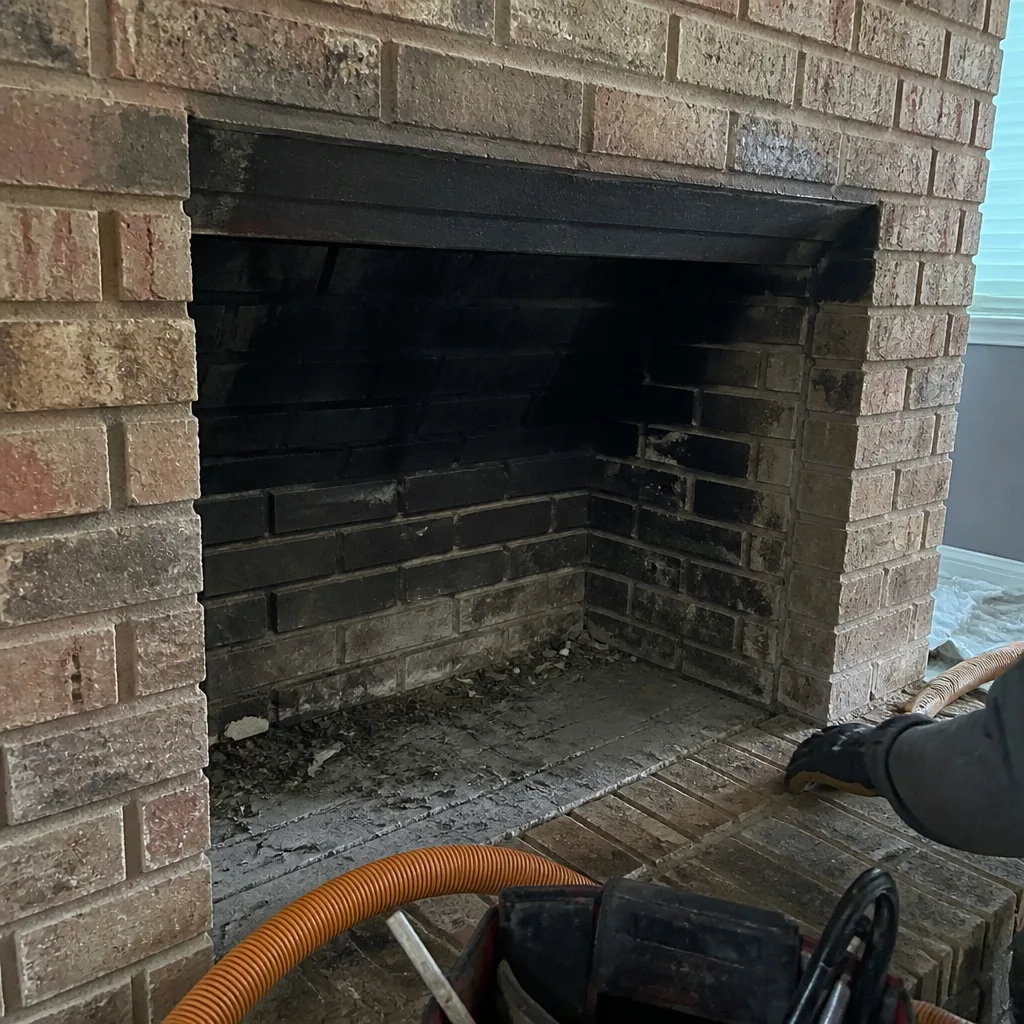 Before
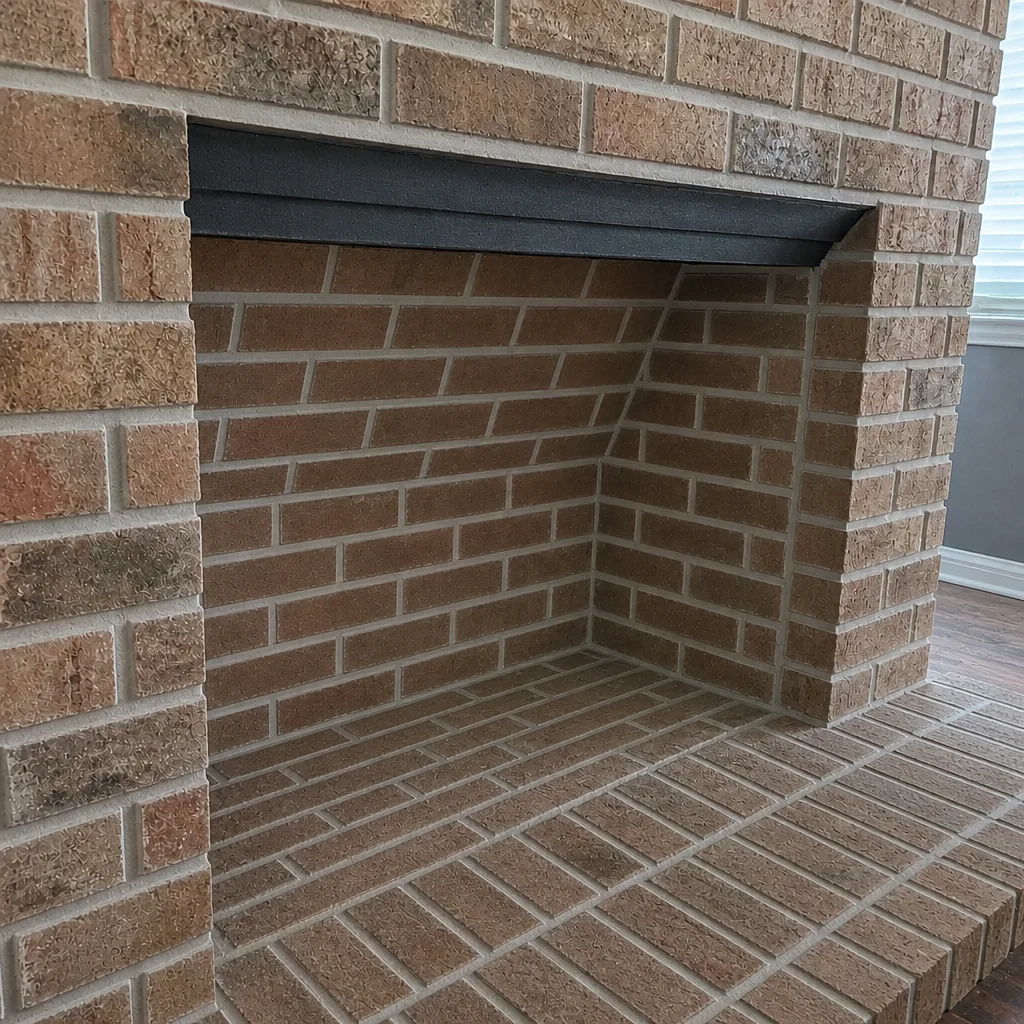 After
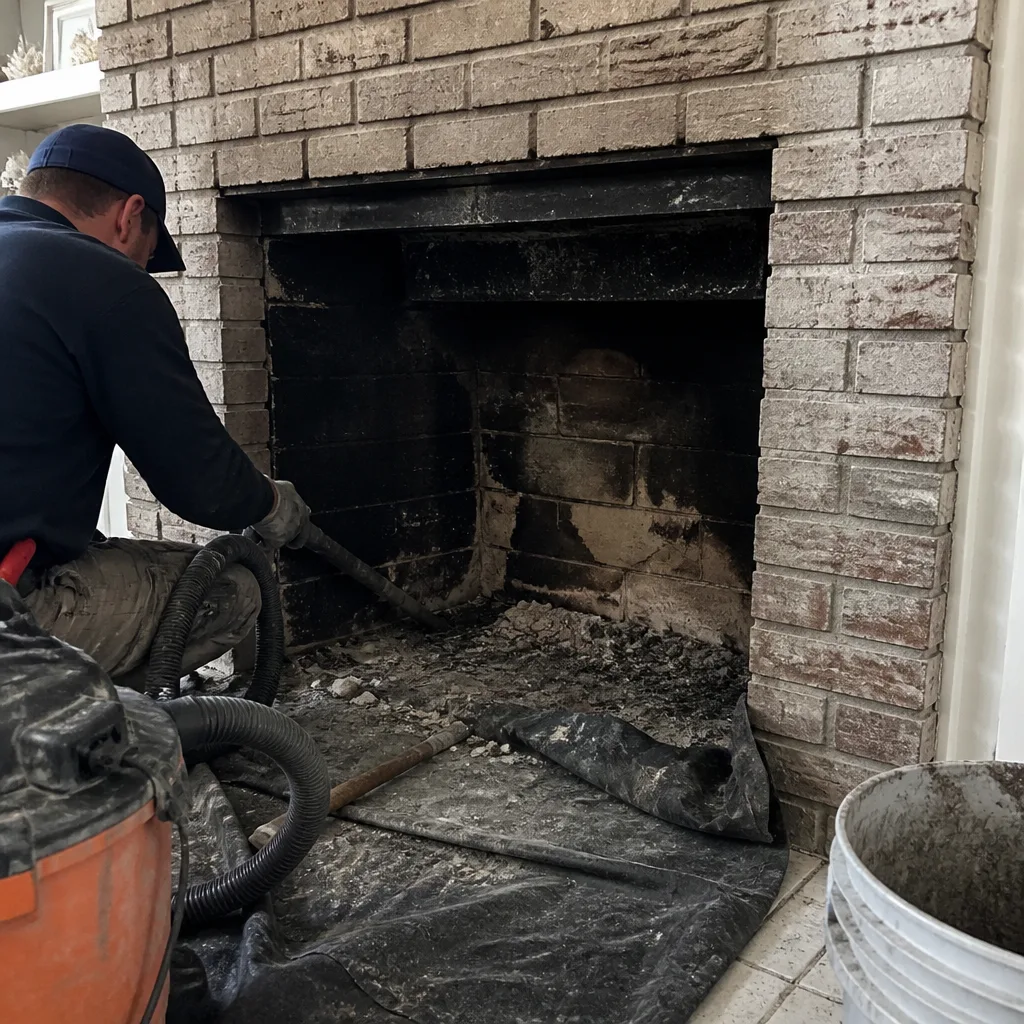 Before
 After
 Before
 After
When to Call a Professional
Call a professional when you’ve burned through roughly a cord of wood, when it’s been a year since the last cleaning, when you’ve bought a home in Arlington, when you’ve had a chimney fire (even a small one), or when you’ve noticed any of the signs in this guide – smoke in the room, a stubborn damper, a missing cap, a draft problem in a pre-1990s home. Call when you’re moving from an open fireplace to a wood stove, or when the appliance is changing. Call when water is getting into the flue. And if you’re not sure whether a problem is urgent, call anyway and ask; we’ll tell you what to watch for and what to schedule. Thrive Chimney Sweep offers free estimates in Arlington – call (866) 942-6157. We answer 24/7. Fast dispatch from 7am to 7pm, Sunday through Friday.
Frequently Asked Questions
A standard chimney sweep in Arlington typically runs $150 to $300, with a camera inspection often adding $75 to $150. Repairs like a flue resurfacing or liner installation are quoted separately after the inspection. Your written estimate sets the final price – nothing is charged on the basis of a phone description alone. Call (866) 942-6157 for an exact quote – estimates are free.
Once a year when you burn regularly, or after about one cord of wood. In Arlington’s humid climate, scheduling the sweep in early fall – before the first fire – catches creosote while it’s still soft enough to remove cleanly. Call (866) 942-6157 for an exact quote – estimates are free.
Only if the camera inspection shows the existing liner is cracked, unlined, or undersized for your appliance. A liner is a structural repair, not an automatic upsell – we show you the footage before recommending one. If the liner is sound, we’ll tell you it’s sound. Call (866) 942-6157 for an exact quote – estimates are free.
Creosote builds up and hardens into Stage 2 or Stage 3, which ignites more easily and burns hotter than the fuel in your firebox. A chimney fire can crack clay tiles and reach the surrounding structure. The other risk is carbon monoxide backing up if a flue becomes blocked by soot, creosote, or an animal nest. Call (866) 942-6157 for an exact quote – estimates are free.
The long, humid North Texas summer gives creosote months of warm, moist air to cure and harden between burning seasons, which makes Stage 2 buildup more common here. Older masonry chimneys with undersized flues compound the problem by slowing draft and speeding accumulation. A camera inspection confirms what’s actually on the flue walls. Call (866) 942-6157 for an exact quote – estimates are free.
Yes – dryer vent cleaning is one of our three core services alongside chimney sweeping and chimney repair, and it’s done to NFPA fire-safety standards. Most chimney companies don’t offer it, but venting is part of the same fire-safety picture in an Arlington home. Call (866) 942-6157 for an exact quote – estimates are free.
The Bottom Line
An Arlington chimney is shaped by local conditions – humid summers that cure creosote into harder stages, clay soil that holds moisture against masonry, and older homes with undersized flues. Cleaning once a year, before the first fire, is the single most effective habit. A real visit includes a camera inspection and a written report you can read, not just a brush pass. When repairs come up, professional-trade materials like HeatShield and DuraFlex make the difference between a lasting fix and a band-aid. We tell you what we find, what it means, and when work can safely wait. If you’re not sure where your chimney stands, start with a free estimate.
Get a Free Chimney Estimate in Arlington
If you’re ready to schedule a cleaning, a Level 2 inspection, a dryer vent check, or a repair recommendation you can verify with your own eyes, we’re here. One call covers your chimney sweep, any needed repairs, and dryer vent cleaning – no juggling contractors. Call (866) 942-6157. We answer 24/7. Fast dispatch from 7am to 7pm, Sunday through Friday. The estimate is free and the price is set per job by the written estimate.
Written by the team at Thrive Chimney Sweep.