
Last updated November 15, 2026
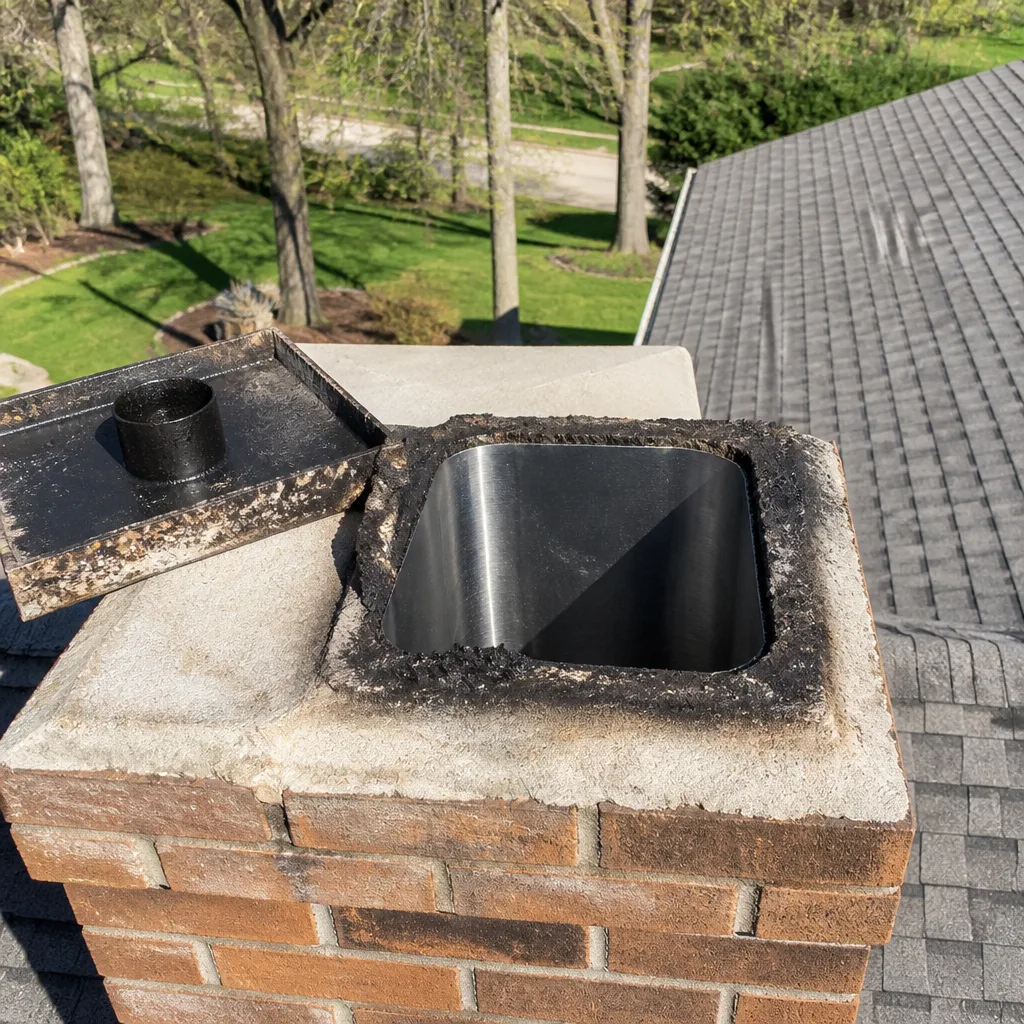 Sweep & inspection
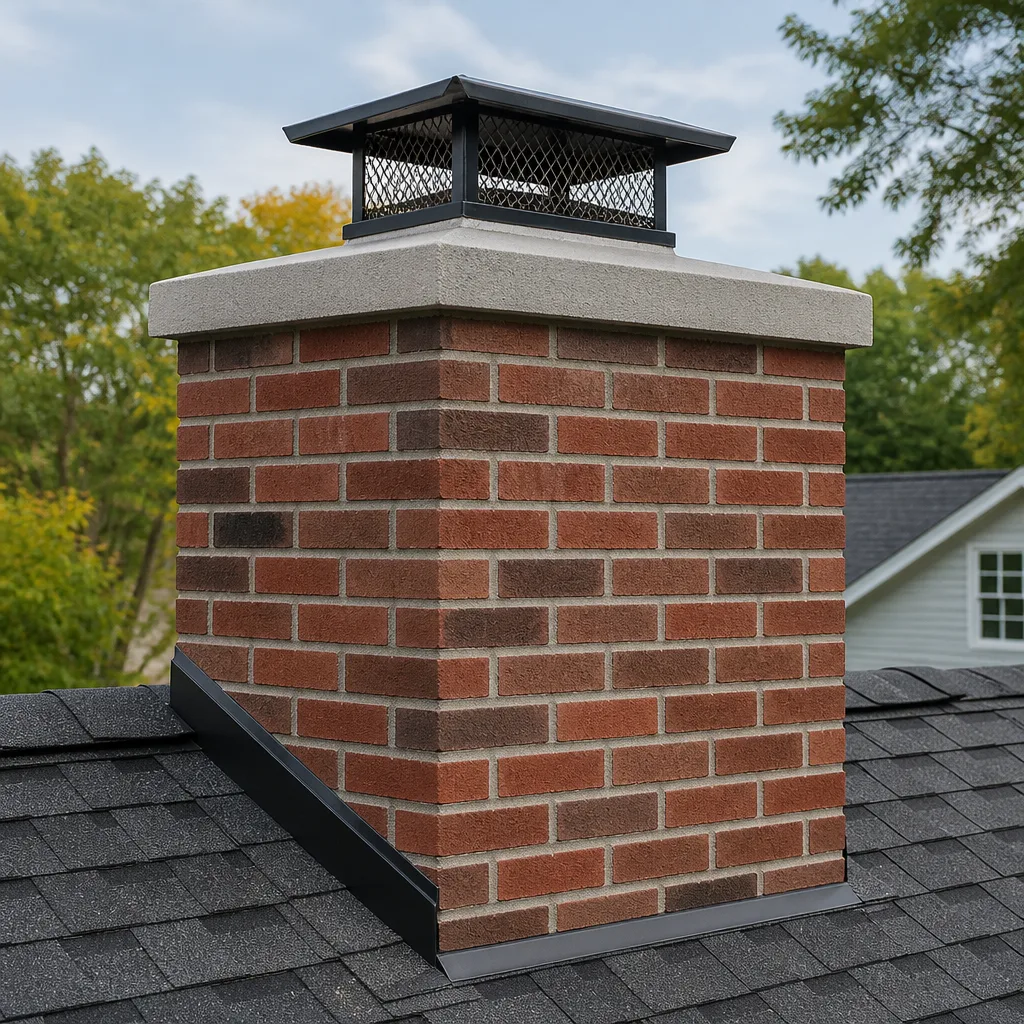 Caps & crowns
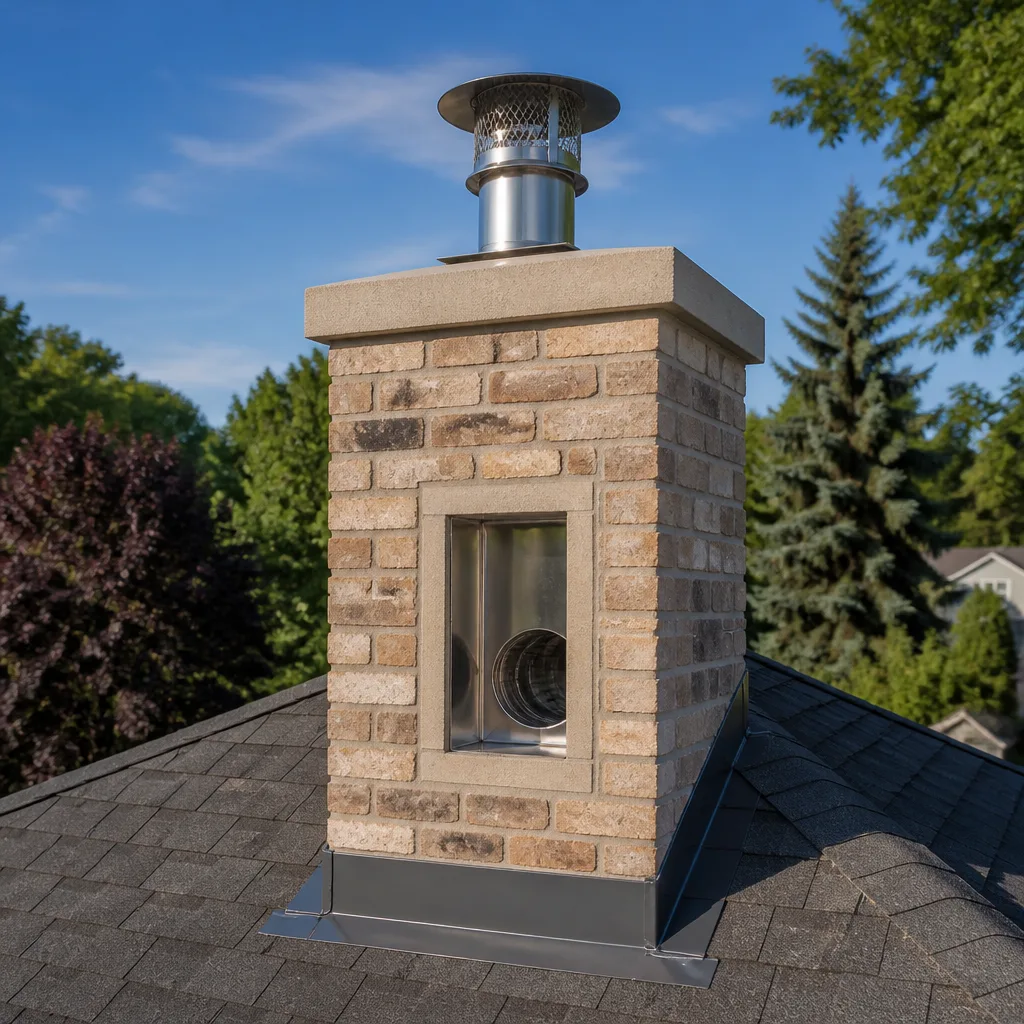 Flue relining
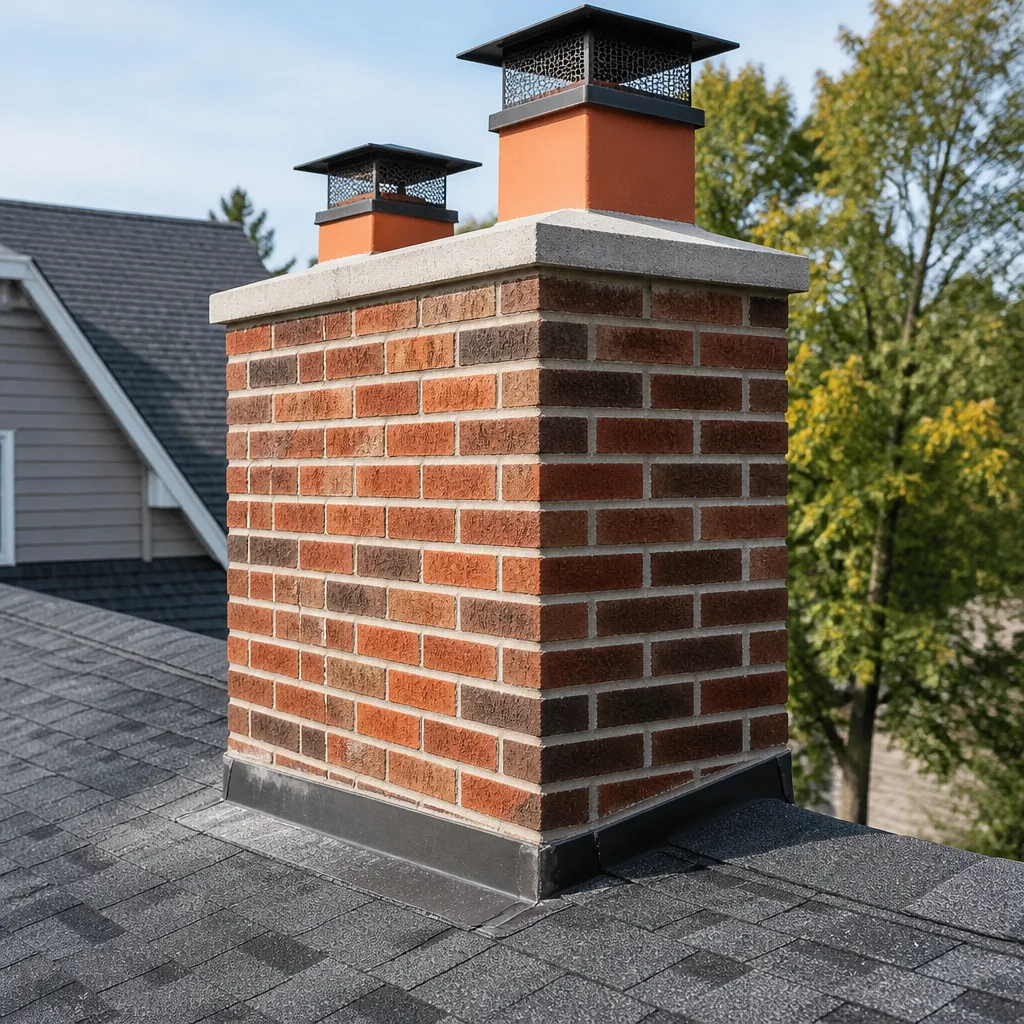 Masonry repair
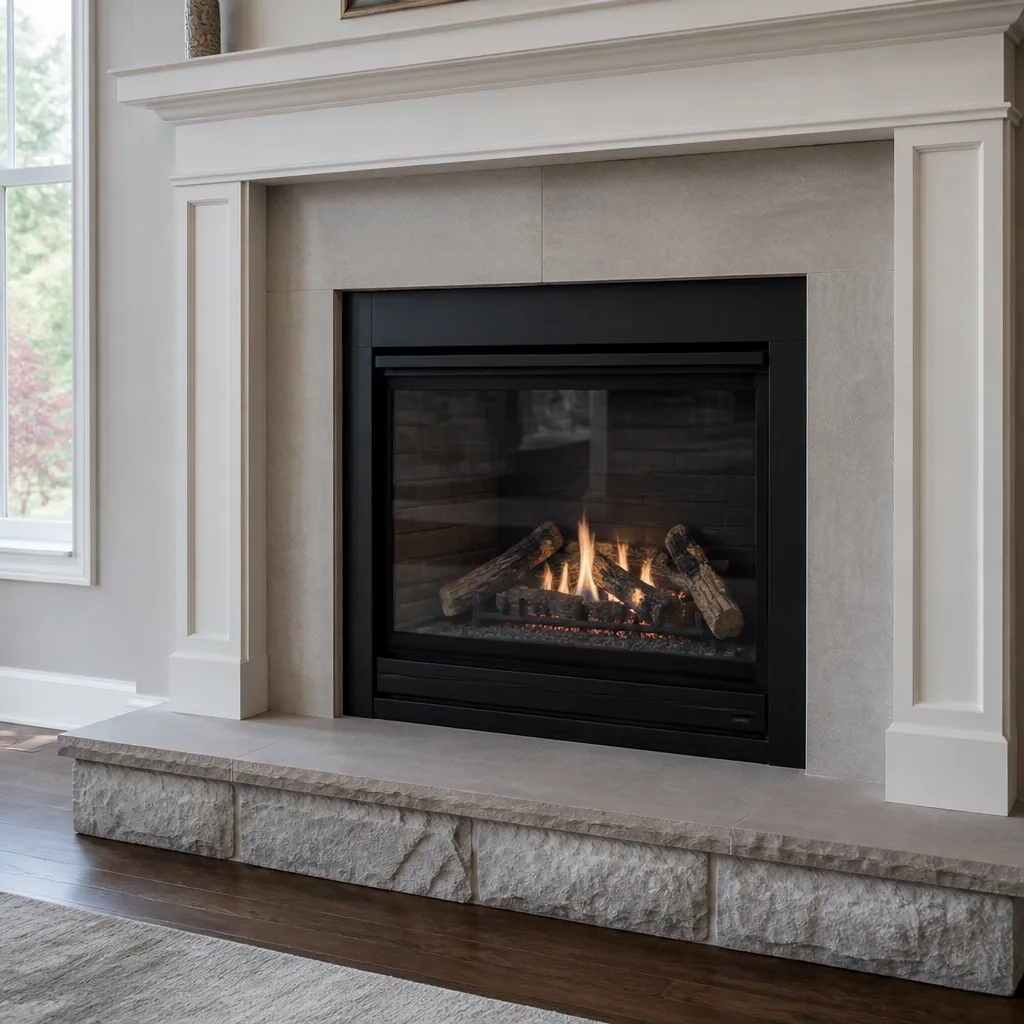 Gas fireplace service
Level 1 sweep and inspection to the NFPA 211 annual standard - flue, crown, cap, and flashing checked and photographed
Chimney sweep logs do not sweep chimneys. They loosen some creosote - which then falls where a brush and vacuum still have to collect it.
How to Hire a Chimney Cleaning Contractor in Arlington: A Step-by-Step Guide
Most homeowners hire a chimney sweep the same way they hire a plumber: they search, they pick a name near the top, and they book. That works fine in a regulated trade. Chimney work in Arlington isn’t one. There’s no state licensing board for chimney sweeps in Texas, which means anyone with a brush, a ladder, and a magnetic sign can advertise the same service as a specialist trained to spot a cracked flue liner before it becomes a house fire. The search results don’t tell you which is which. This guide does. Over the next few sections we’ll walk through the credentials worth verifying, the questions that separate a specialist from a generalist, what a real estimate looks like, and how to read a review so it actually tells you something.
Quick Answer
To hire a chimney cleaning contractor in Arlington, verify a CSIA (Chimney Safety Institute of America) certification, ask five specific questions about scope and inspection method on the first call, and refuse any quote that isn’t backed by an on-site or camera inspection. Texas doesn’t license chimney sweeps, so vetting is entirely on you, and a legitimate contractor will welcome the questions rather than dodge them.
Styles & brands we work with
- Sweep & inspection
- Caps & crowns
- Flue relining
- Masonry repair
- Gas fireplace service
Table of Contents
- Why Texas Doesn’t License Chimney Sweeps (and What That Means for You)
- The Credentials Worth Verifying Before You Book
- Five Questions to Ask on the First Phone Call
- What a Legitimate Estimate Process Looks Like
- How to Read Reviews for Chimney Contractors Specifically
- What You Should Have in Writing Before Work Starts
- Repair Capability vs. Report-and-Refer: Which Do You Need?
- Choosing a Contractor for Arlington Homes
Why Texas Doesn’t License Chimney Sweeps (and What That Means for You)
Texas has no statewide licensing or certification requirement for chimney sweeps. There’s no exam to pass, no continuing education to maintain, and no state database where you can look up a contractor’s standing. That’s not a quirk of chimney work specifically; Texas is famously light on occupational licensing across many trades. But it creates a specific problem with chimney cleaning, because the work has two layers. The visible layer is dirty and obvious. The invisible layer is a safety inspection of a flue system that channels combustion gases and creosote out of your house. The first layer requires a brush. The second requires training, and unregulated markets don’t force anyone to get it.
Compare this to a trade like electrical work, where a state-issued license number appears on the truck and can be checked in minutes. Chimney work offers no such shortcut. The credential that fills the gap is voluntary certification, most commonly through the CSIA. It’s a real exam covering codes, venting principles, and combustion safety, and it has to be renewed. It isn’t a government guarantee, but in a state without licensing it’s the closest thing to one.
What this means practically: the burden of verification sits with you, the homeowner, and it has to happen before anyone gets on your roof. A contractor who can’t name a certification, can’t describe an inspection method, and won’t put scope in writing isn’t necessarily dangerous. They just haven’t given you any reason to believe otherwise, and in Arlington’s unregulated market that’s not good enough when the consequence of a missed defect is a chimney fire or carbon monoxide backing into living space.
When you’re ready to talk to someone who can verify credentials, Thrive Chimney Sweep is a good place to start the conversation. Ask us the same questions you’d ask anyone.
The Credentials Worth Verifying Before You Book
Two credentials matter for residential chimney work: CSIA certification for the sweep, and NFI (National Fireplace Institute) certification for anyone diagnosing or installing hearth appliances like wood stoves and inserts. Both are voluntary, both require an exam, and both can be verified independently. If a company advertises either, you should be able to confirm it, not just take the logo’s word for it.
Here’s what to check, in order:
- CSIA certification. Ask for it by name and confirm the company or technician is listed in the CSIA directory. A sweep who can’t produce this is either uncertified or unfamiliar with the standard, and both answers tell you something.
- NFI certification, if the job involves an appliance. If you’re having a wood stove, insert, or gas appliance inspected for performance rather than just swept, NFI certification is the relevant benchmark.
- Insurance. Ask for a certificate of insurance and check that it covers general liability. A contractor working on your roof without liability coverage is a risk you’re absorbing, not them.
- Scope of capability. Can they perform repairs, or only recommend them? A sweep who finds a cracked liner and stops there is useful, but you’ll be hiring a second contractor to fix it. A specialist capable of liner installation and flue resurfacing can close the loop.
One more signal worth noting: material quality. Ask what brands a contractor uses for liners and flue resurfacing. Companies working with professional-grade products like HeatShield for flue resurfacing or Gelco and Olympia Chimney for liners are specifying materials engineered for the job. That’s a different tier from a hardware-store substitute, and the good contractors are happy to name what they install.
Five Questions to Ask on the First Phone Call
The first phone call tells you more than the website does. Most generalists reveal themselves within two minutes if you ask questions specific enough that a vague answer becomes obvious. Here are five that work, along with what a specialist’s answer sounds like.
- “Are you CSIA certified, and can you confirm it?” A specialist answers yes and tells you how to verify it. A generalist gets vague, changes the subject, or says “we follow all the codes.”
- “What’s included in your inspection, and will you use a camera?” A specialist describes a visual inspection of the firebox, damper, smoke chamber, and flue, and explains when a camera is warranted, typically for liners that can’t be fully assessed from the top or bottom. A generalist says “we’ll take a look.”
- “If you find a problem, can you fix it, or do you refer it out?” A specialist with repair capability gives you a straight answer about what they handle in-house and what they don’t. A sweep-only operation says they’ll refer you, which is honest but tells you they can’t solve the whole problem.
- “Do you do dryer vent cleaning as well?” This one surprises people. Dryer vents are a leading source of household fires, and most chimney-only companies don’t touch them. A contractor who handles both is thinking about whole-home venting, not just the fireplace.
- “What will I get in writing?” A specialist describes a written estimate and a post-service report documenting findings with photos. A generalist hesitates or says “we can write something up if you need it.”
You don’t need to interrogate anyone. Ask the five, listen, and notice which ones get a direct answer. A competent contractor treats these as reasonable questions. In our experience in Arlington, the companies that flinch at question one are the ones you’d least want on your roof.
What a Legitimate Estimate Process Looks Like
Any chimney quote given before anyone has been inside the house or on the roof should be treated as a placeholder, not a price. It’s the single most reliable red flag in this trade. Creosote buildup, liner condition, smoke chamber geometry, and appliance type all change both the work involved and the price. A phone quote is a guess dressed up as an estimate.
A legitimate process looks like this:
- An on-site visit before pricing. Some contractors will give a ballpark range when you call, and that’s fine, as long as they make clear the real number comes after inspection.
- A described inspection method. The technician tells you what they’re checking and why: creosote levels, the firebox and damper, the smoke chamber, the flue, the crown and flashing on the roof side, and any appliance connections.
- Camera inspection where it matters. If a liner’s condition is in question, a camera is the only way to see it. A quote for a liner replacement without a camera look is a guess.
- A written, itemized estimate. Sweeping priced separately from any repair, with materials named. You should see the difference between “sweep and inspect” and “resurfacing” on paper.
- Findings you can see yourself. A technician should show you the photos and explain what they mean before recommending anything. If the answer is “you wouldn’t understand,” that’s an answer.
A good estimate also tells you when work can wait. Not every cracked crown or rust-streaked damper needs fixing today, and a contractor who says “this can be monitored and addressed next season” is giving you the same information as one who says “this needs a liner now,” just with a different conclusion. The honest one earns your trust for the next job.
How to Read Reviews for Chimney Contractors Specifically
Star ratings are a blunt instrument. The useful information in chimney reviews sits in the language, and it’s specific enough to separate a real inspection from a surface-level cleaning.
Phrases that suggest a thorough inspection:
- Specific mention of photos or a camera inspection, with a description of what was found.
- References to creosote levels or “stage 3 creosote” rather than “it was dirty.”
- A described written report, or a mention that findings were explained before a repair was recommended.
- Comments about a technician who said work wasn’t needed yet, or who separated what was urgent from what could wait.
Phrases that suggest a brush-and-go job:
- “In and out in 20 minutes” as the only positive. A real inspection of a fireplace and flue takes longer than a quick brush pass.
- No mention of findings, only of the cleaning itself.
- Complaints about a hard upsell to lining work on the first visit, with no photos or explanation offered.
- Reviews that are all about price and speed, with nothing about what the technician found or explained.
Read a handful of reviews with those filters in mind, and a pattern shows up fast. When you’re comparing contractors in Arlington, the ones whose reviews describe findings and photos are a different category from the ones that just describe the cleaning.
What You Should Have in Writing Before Work Starts
Before any work begins, you should have a document that covers scope, materials, and liability. It doesn’t need to be a contract worthy of a lawyer, but it does need to answer the questions you’d otherwise be asking after the fact.
- Scope of work. Exactly what’s being done: sweep, inspection, resurfacing, liner installation, cap replacement. Itemized, not lumped into “chimney service.”
- Materials named. If a liner or resurfacing is being installed, the product should be specified. You’ll see brands like HeatShield, Gelco, Olympia Chimney, or Famco on a real estimate. A generic “stainless liner” without a brand or spec is a line item you can’t evaluate.
- Liability and insurance. A statement of who carries liability coverage for the work, and confirmation that it covers roof access.
- Pricing terms. The estimate should state that the number is an estimate and that the final price is set by the written scope. Any change to scope gets a revised number before work continues.
- What happens after. A post-service report with photos, or at minimum a written summary of findings.
The document protects both sides. If a contractor resists putting scope in writing, treat that as the answer to question five on the phone call. It’s the same signal, and it’s the same decision.
Repair Capability vs. Report-and-Refer: Which Do You Need?
Sweep-only companies clean and inspect, then refer any repair work out. Full-scope contractors clean, inspect, and fix what they find. Both are legitimate business models, and knowing which you’re hiring prevents a lot of friction later.
A sweep-only contractor is perfectly adequate if your flue is clean and in good condition, and you just need the annual maintenance. A full-scope contractor is the better call when there’s any question about the liner’s condition, the smoke chamber needs resurfacing, or the firebox needs repair. The difference matters most at the moment a problem is found, because that’s when you either get a solution or a referral to a second contractor who has to start the inspection over.
Full-scope capability also means the repair decision happens with the same person who did the inspection, who has seen the inside of the flue, and can speak to it directly. In our experience, that continuity is worth something. The findings, the recommendation, and the work come from one source that has to stand behind all three.
When you’re looking at chimney sweep options in Arlington, ask the repair-or-refer question explicitly. The answer tells you which category you’re hiring, and it’s a better filter than any advertised list of services.
Choosing a Contractor for Arlington Homes
Arlington’s climate doesn’t demand the same chimney concerns as colder parts of the country. Mild winters mean fireplaces are used more intermittently, which can produce slower creosote buildup but also more irregular use that leads to neglected maintenance. A homeowner who burns a few fires a month from November to February may go years without a sweep and never think about it, which is exactly how small issues become large ones. The dry summer months also mean chimney exteriors take on heat and sun exposure, and masonry cracks that let water in during a rainstorm can worsen quietly.
That pattern makes the annual inspection more important than the annual cleaning, in some respects. The inspection is where the masonry crown, flashing, and liner get looked at with fresh eyes, and it’s where a small crack in the firebox mortar gets caught before it becomes a rebuild. A contractor who treats the inspection as the main event, and the sweep as one part of it, is the one you want.
Arlington’s housing stock includes a lot of older homes where the chimney was built to a different era’s standards. Some were built without a modern liner, or with a clay tile liner that’s cracked and hasn’t been addressed. Those homes benefit from a contractor who can assess the full system and, if a liner’s compromised, install a new one. If you’re not sure where your home falls, that’s an inspection question, not something you need to figure out beforehand.
Dryer vents are the other half of the picture. A contractor who handles dryer vent cleaning alongside chimney work is addressing the two venting systems in a home that most often contribute to fires. It’s a single call covering both, which is simpler than scheduling two contractors and hoping they both show up.
Common Mistakes to Avoid
- Booking on price alone. The cheapest quote in Arlington is often the one that does the least inspection. A low price for a sweep that doesn’t include a real look at the flue isn’t a bargain, it’s a missed inspection.
- Accepting a phone quote as a final price. Any number given before an on-site inspection is a placeholder. If a contractor commits to a final price without looking, they’re either guessing or planning to change the scope later.
- Skipping the CSIA question because the website had a logo. A logo isn’t verification. Ask, and confirm the certification independently.
- Hiring a generalist handyman for chimney work. Chimney and venting systems are their own specialty with their own codes. A handyman who “also does chimneys” is a different category from a single-trade specialist.
- Ignoring the dryer vent because the chimney got the attention. Dryer vents are a fire source most chimney companies don’t address. If you’re booking a vent service anyway, ask about both.
- Letting a “you need a full liner” recommendation go unexplained. You should see photos and understand the reasoning before agreeing. If a contractor won’t show you, that’s a reason to get a second opinion.
- Treating reviews as a single number. A five-star average built on “quick and cheap” reviews is a different signal than one built on “showed me the photos and explained what he found.”
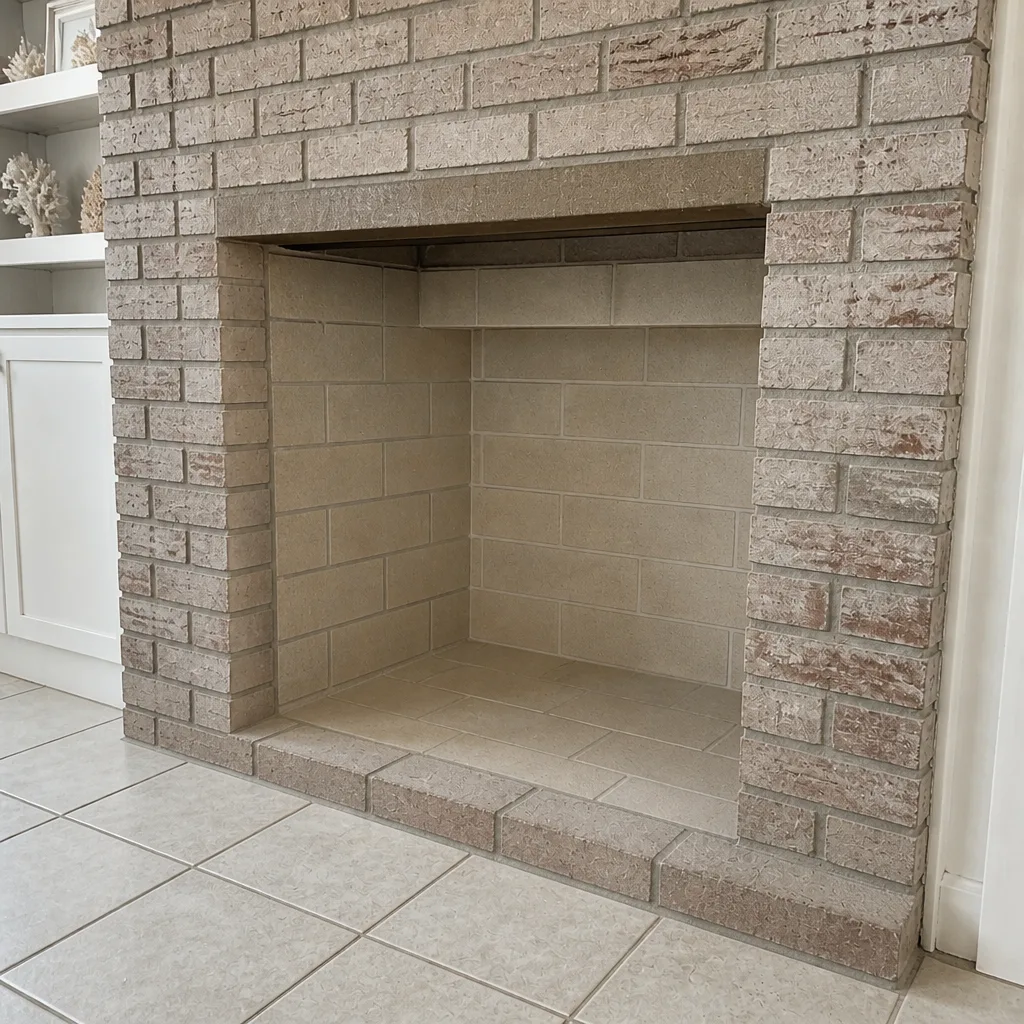
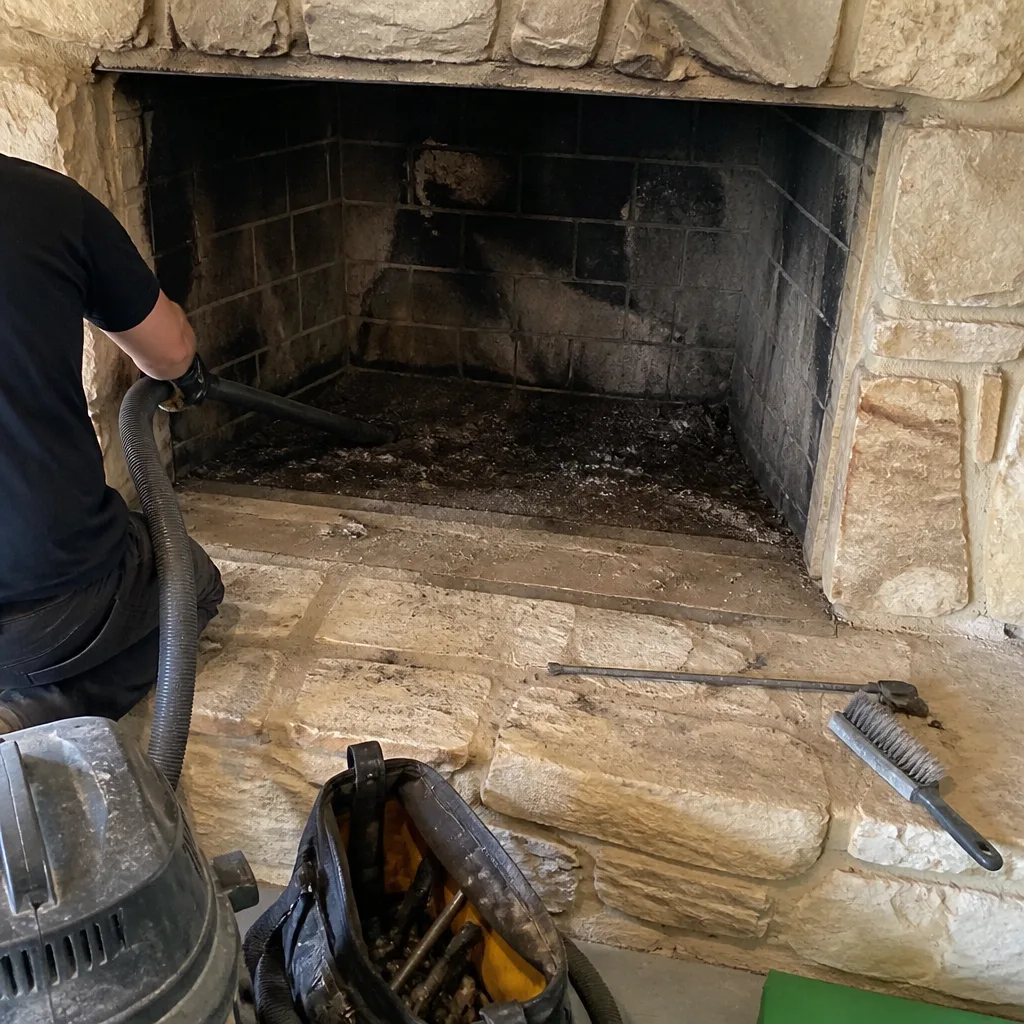
See the difference
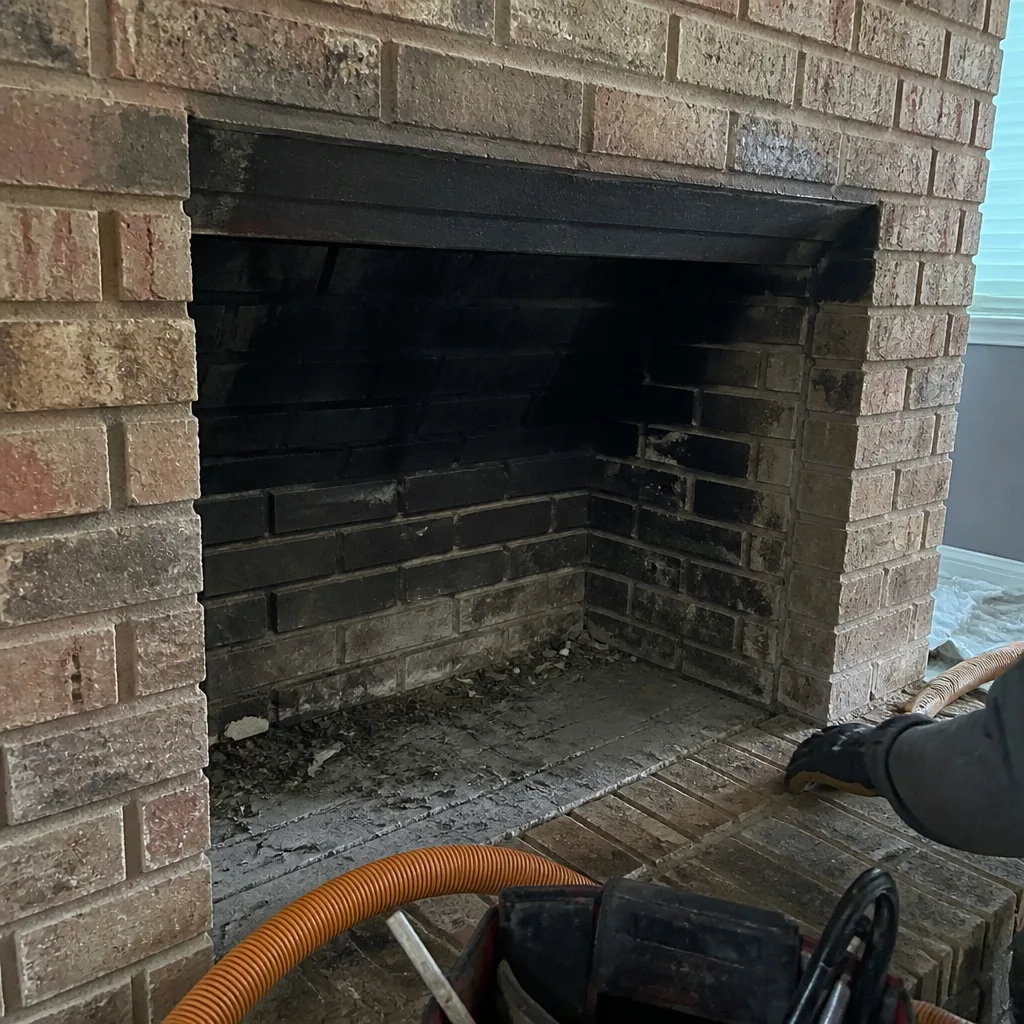 Before
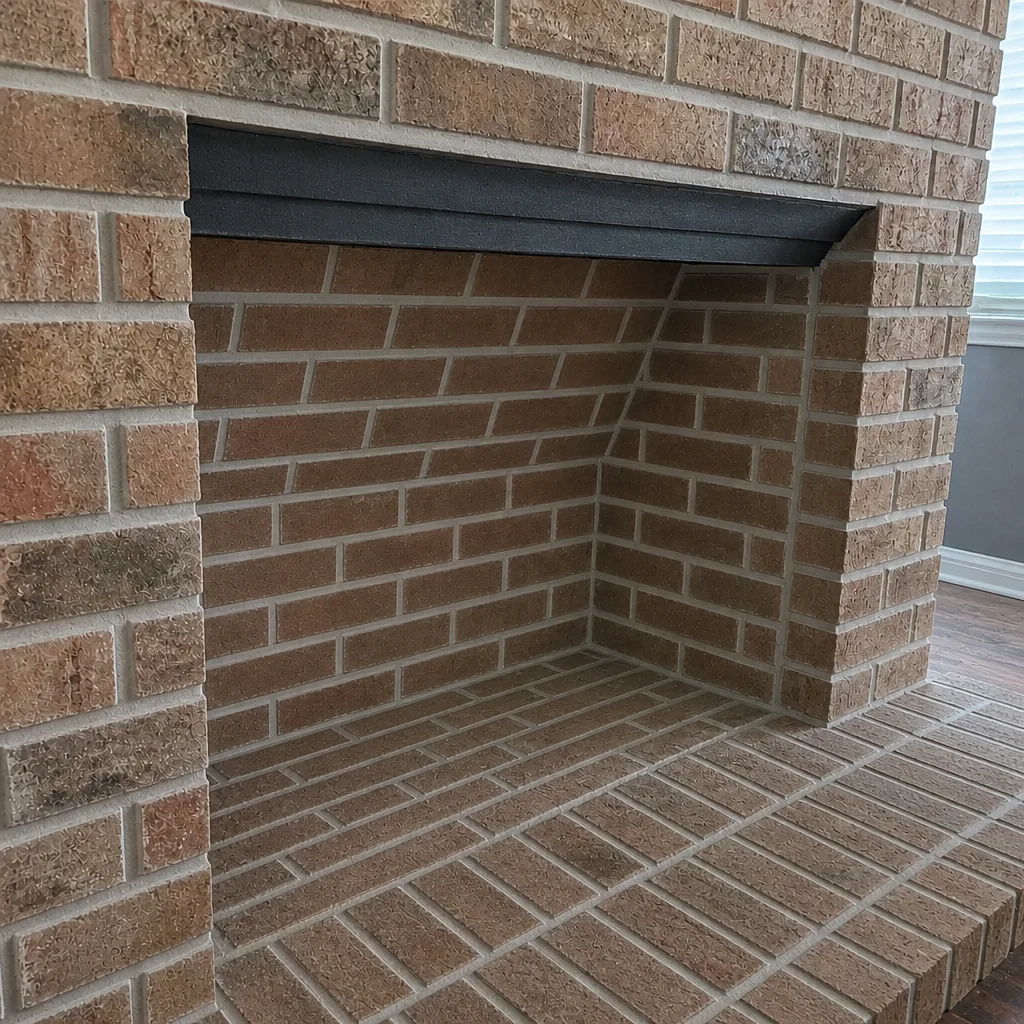 After
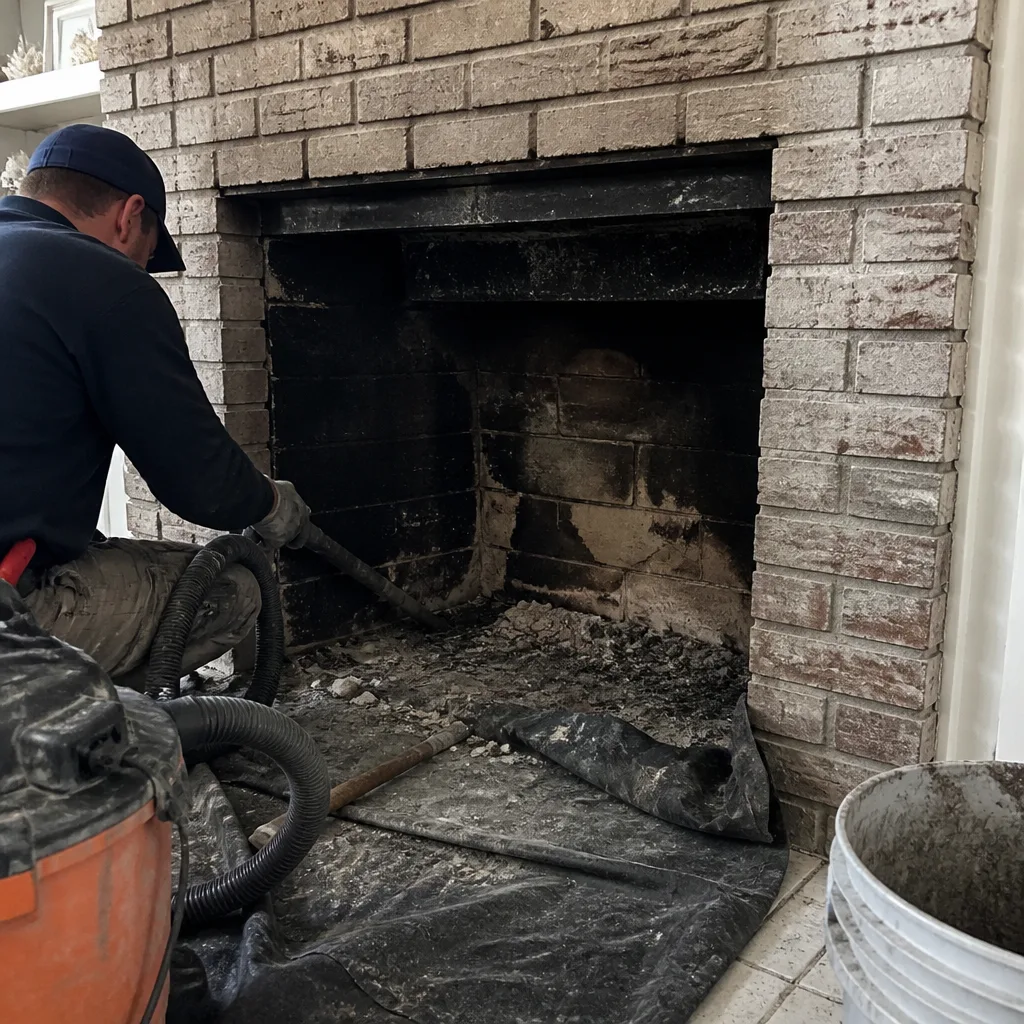 Before
 After
 Before
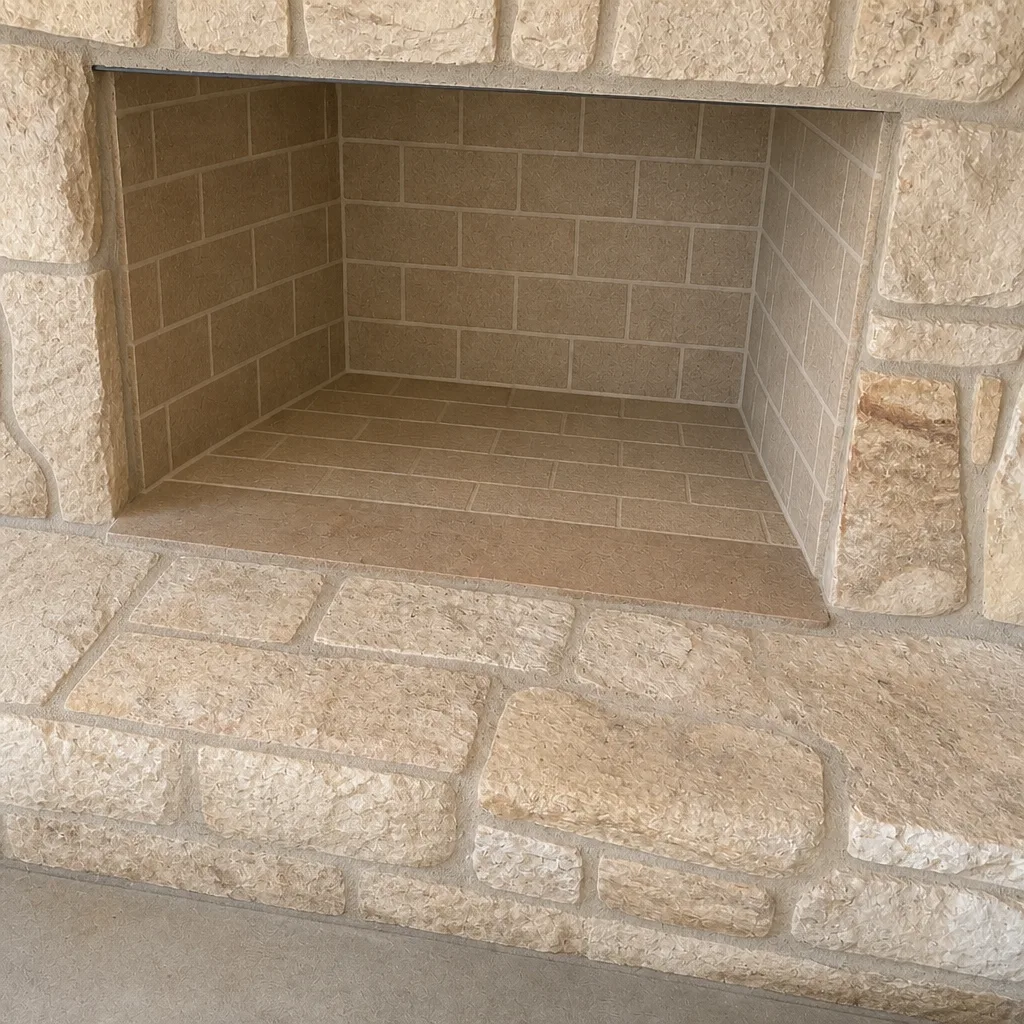 After
When to Call a Professional
Some situations call for professional attention right away. If you smell a strong, sharp odor from the fireplace even when it isn’t in use, that can indicate creosote buildup or a draft problem worth investigating. If smoke enters the room rather than going up the flue, the draft or the flue itself needs assessment. If you see cracked or crumbling mortar in the firebox, or visible damage to the chimney crown or exterior masonry, have it inspected before your next fire. Any home that hasn’t had a chimney inspection in several seasons should have one, regardless of whether anything seems wrong. And if a carbon monoxide detector has gone off, leave the home and call for help first, then get the chimney and appliance assessed.
Thrive Chimney Sweep offers free estimates in Arlington. Call (866) 942-6157. We answer 24/7. Fast dispatch from 7am to 7pm, Sunday through Friday.
Frequently Asked Questions
A typical chimney sweep in Arlington is priced per job by a written estimate after an on-site inspection, not by a flat rate quoted over the phone. The reason pricing is set per job is that creosote level, flue condition, and appliance type all change the work involved, and a real estimate reflects what’s actually there. Call (866) 942-6157 for an exact quote, since estimates are free.
You need a new liner if a camera inspection shows the existing liner is cracked, deteriorated, or missing, and not before. In Arlington’s older homes, it’s common to find clay tile liners that have cracked with age, but the inspection is what determines whether replacement is warranted. Ask to see the photos and hear the reasoning before agreeing to anything. Nothing should be recommended without camera evidence you can see for yourself. Call (866) 942-6157 to schedule an inspection.
The standard guidance is once a year for homes that use the fireplace regularly, with the inspection happening even in years when cleaning isn’t needed. Arlington’s mild winters mean some homeowners burn less often and can stretch the interval, but the annual inspection still matters because it catches masonry and liner issues that don’t show up as a dirty flue. Call (866) 942-6157 to book an inspection and find out what your specific chimney needs.
Creosote accumulates in the flue with every fire, and at sufficient buildup it can ignite, which is the mechanism behind most chimney fires. A blocked or damaged flue can also let carbon monoxide back into the home instead of venting it outside. Skipping maintenance doesn’t cause a problem immediately, but it removes the inspection that would catch one before it becomes dangerous. Call (866) 942-6157 for a free estimate.
No, Texas doesn’t require CSIA certification or any state licensing for chimney sweeps. That’s exactly why asking about it matters, since voluntary certification is the main credential separating a trained specialist from an unregulated generalist in Arlington. Confirm the certification independently rather than relying on a logo.
Most don’t. Dryer vent cleaning is a separate service from chimney work, and many sweep-only companies don’t offer it at all. A contractor who handles both is addressing the two venting systems most associated with household fires, which makes it a more complete service for a homeowner looking after a whole house. Call (866) 942-6157 to ask about both.
The Bottom Line
Hiring a chimney contractor in Arlington comes down to verification. Texas doesn’t regulate the trade, so the CSIA question, the five phone questions, a real on-site estimate, and a written scope do the work that licensing would otherwise do. Reviews help if you read them for the right signals, and the repair-versus-refer distinction tells you whether you’re hiring a sweeper or a specialist. None of this is complicated, but all of it has to happen before anyone gets on the roof. If you’d rather start with a contractor who expects the questions, Thrive Chimney Sweep offers free estimates in Arlington. Call (866) 942-6157. We answer 24/7. Fast dispatch from 7am to 7pm, Sunday through Friday.
Written by the team at Thrive Chimney Sweep.