
Last updated November 15, 2026
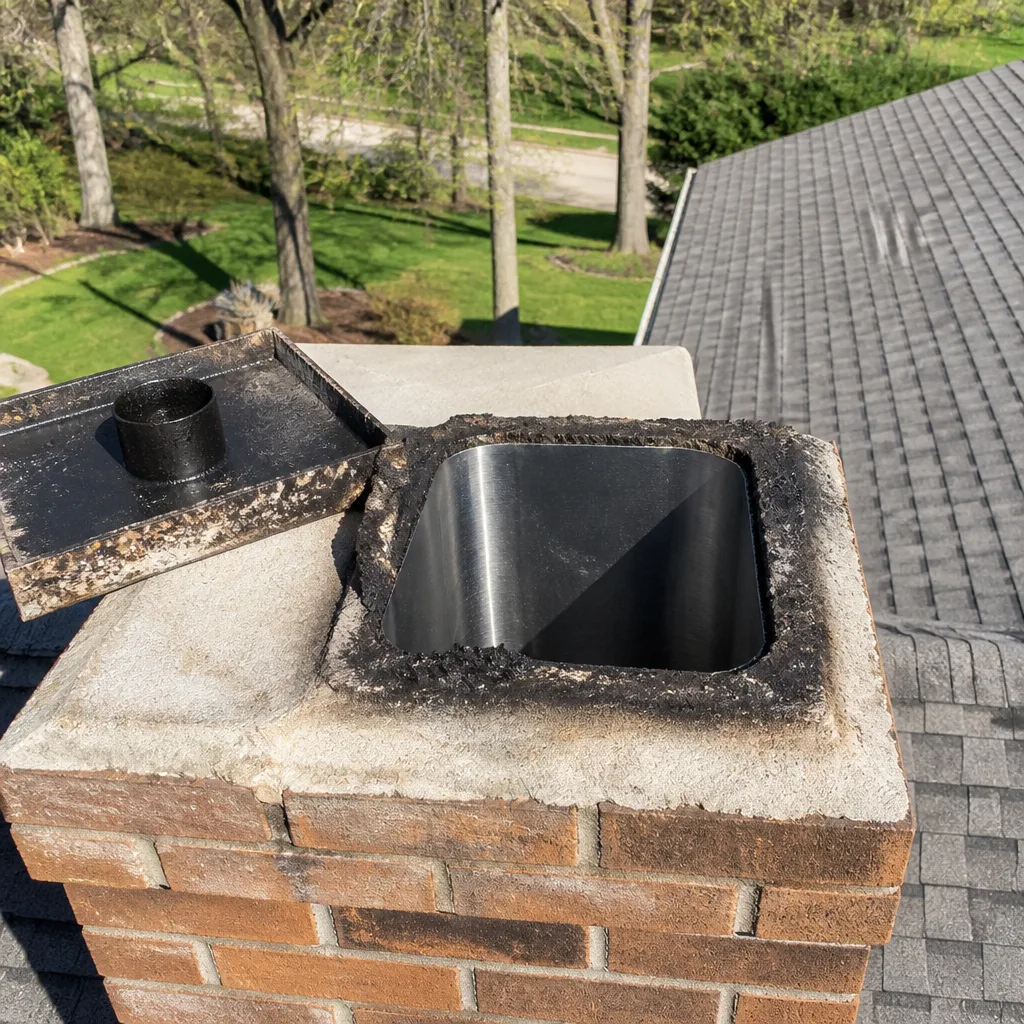 Sweep & inspection
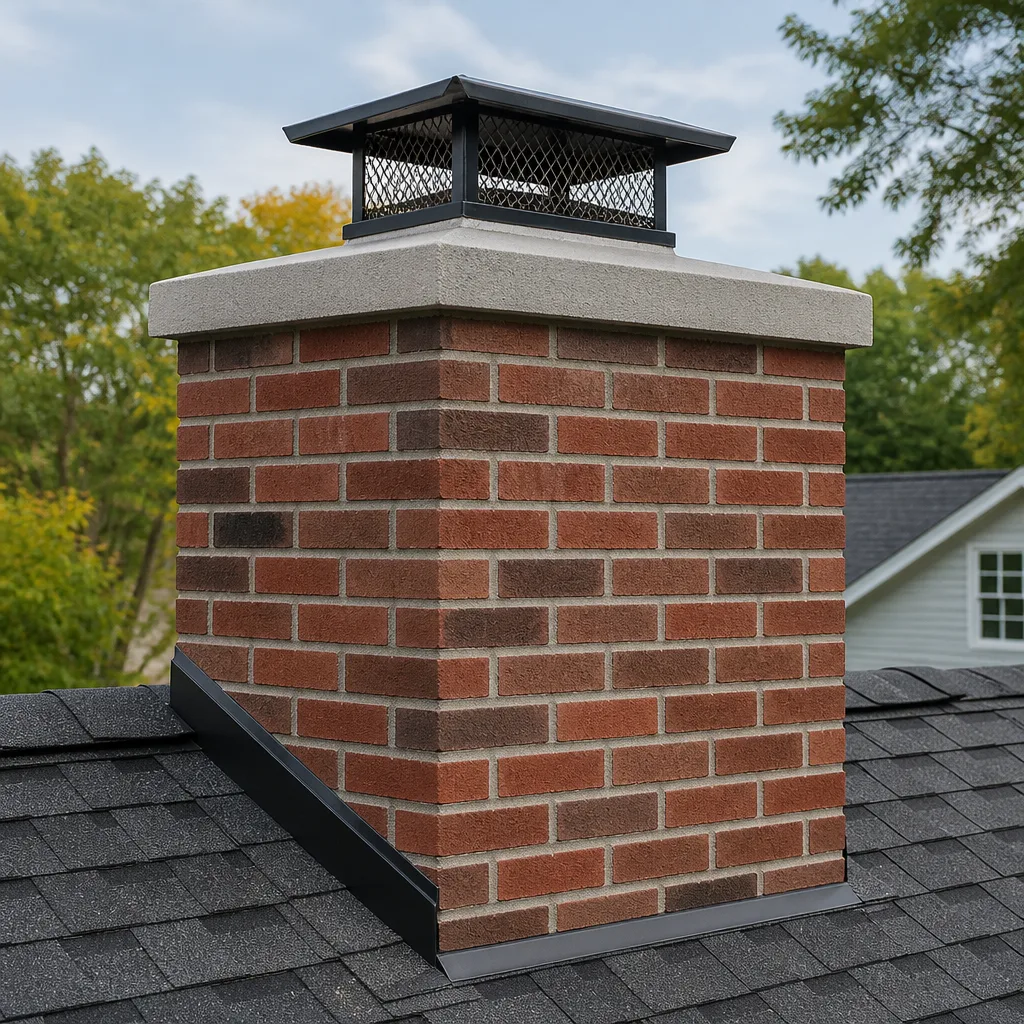 Caps & crowns
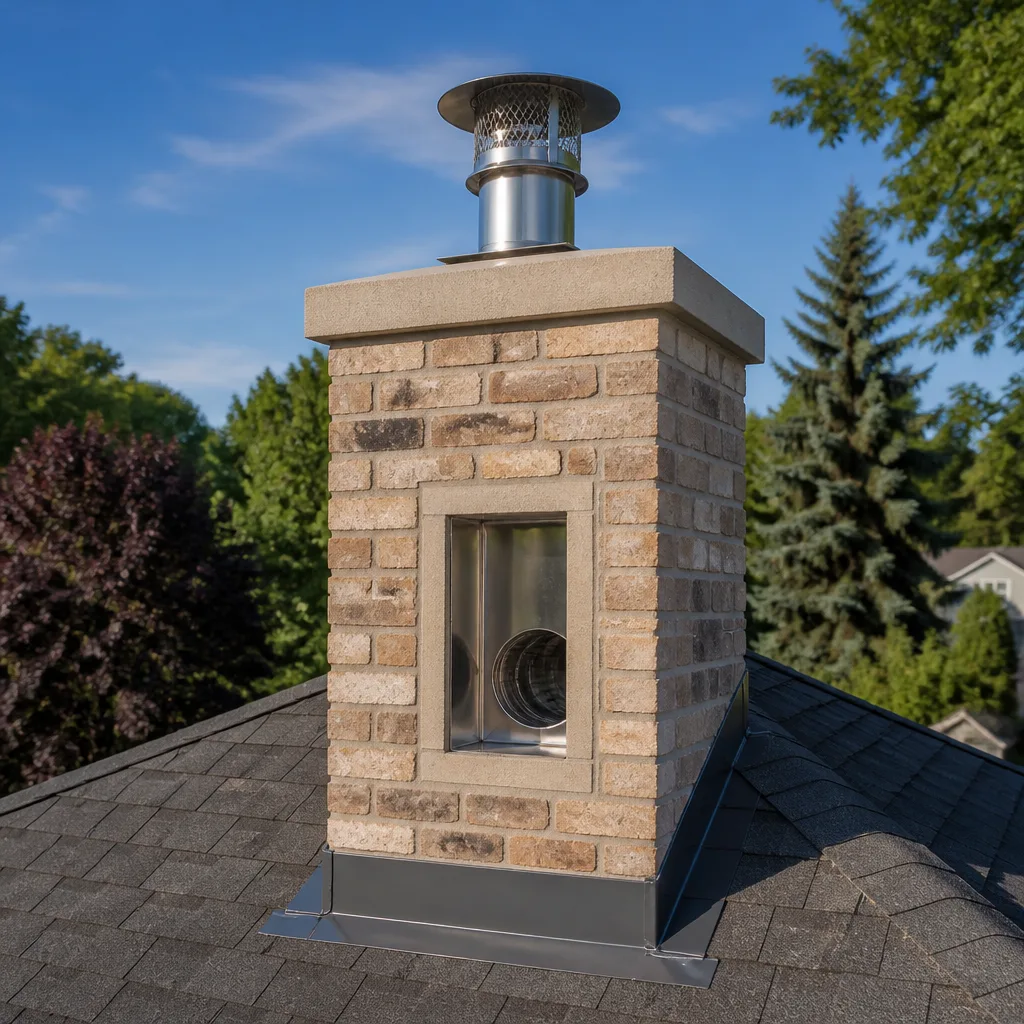 Flue relining
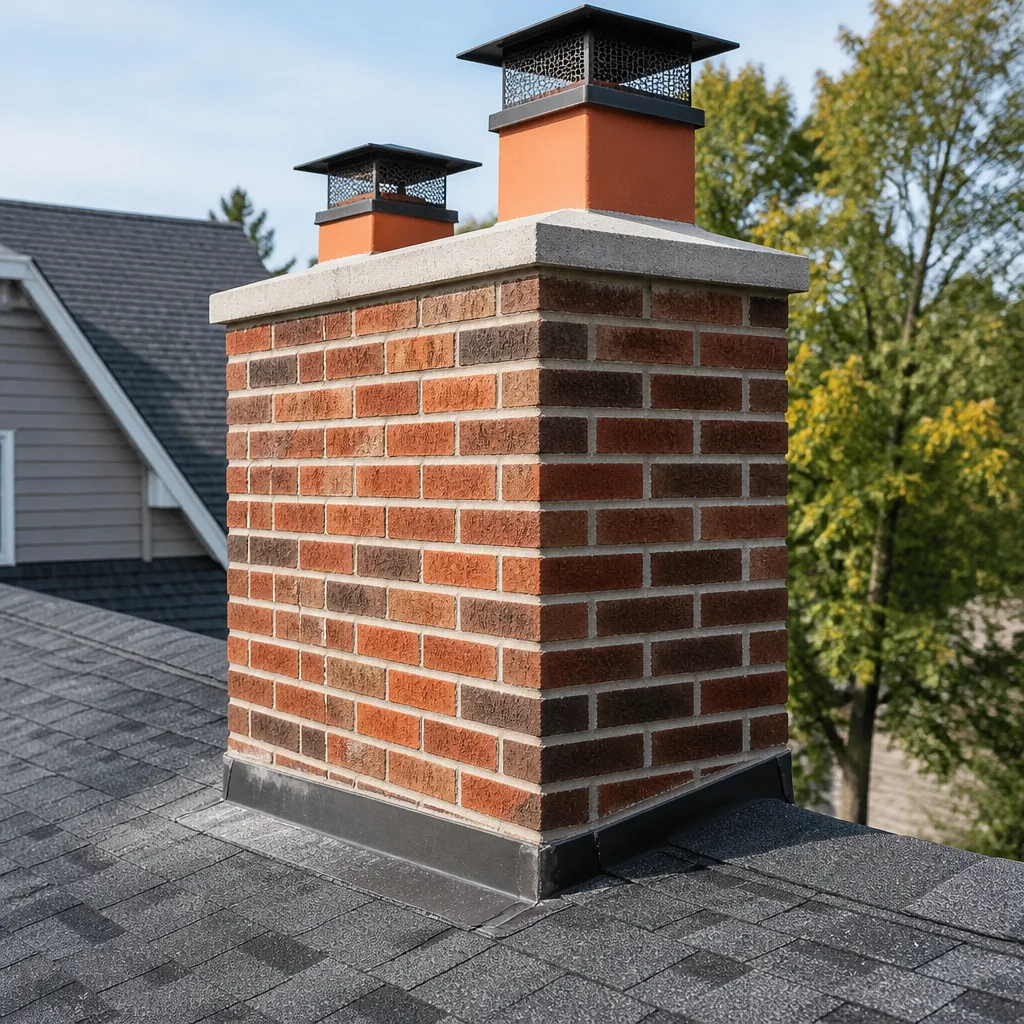 Masonry repair
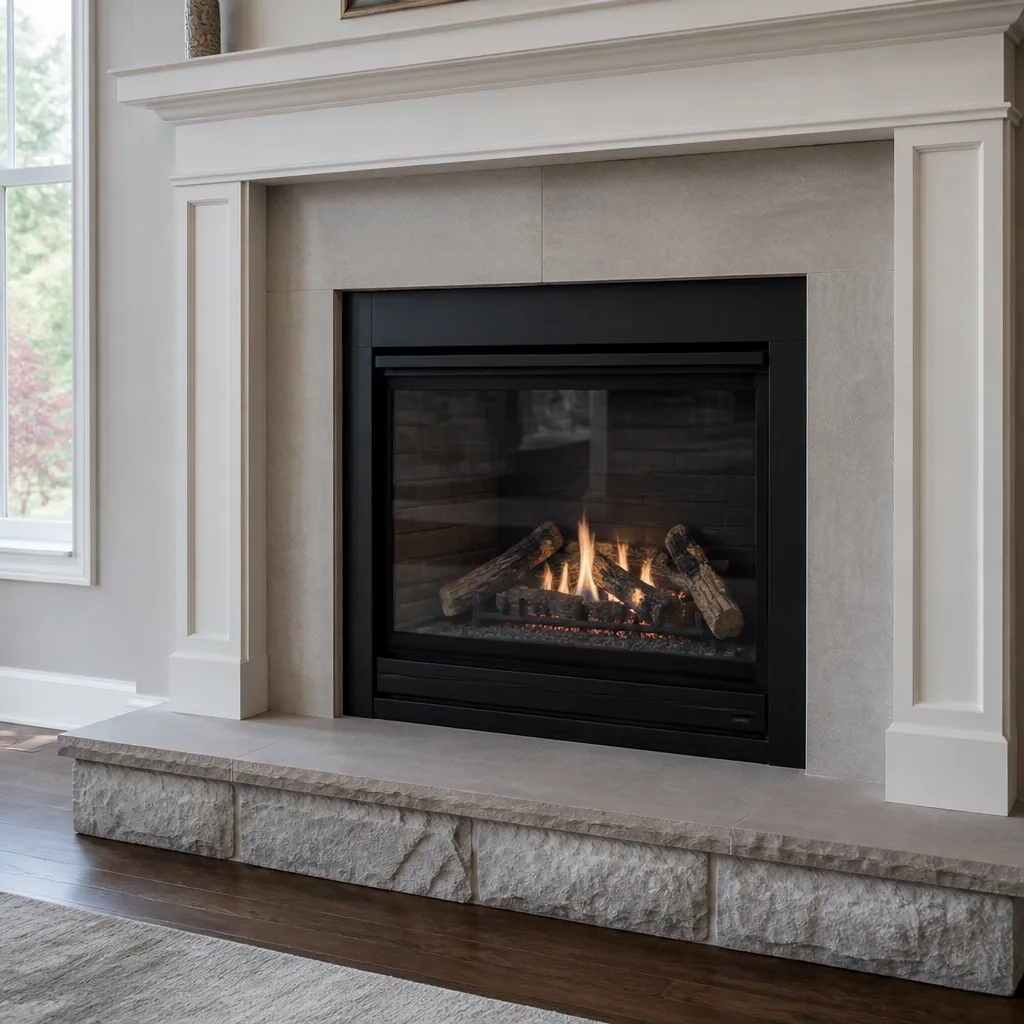 Gas fireplace service
Level 1 sweep and inspection to the NFPA 211 annual standard - flue, crown, cap, and flashing checked and photographed
Chimney sweep logs do not sweep chimneys. They loosen some creosote - which then falls where a brush and vacuum still have to collect it.
DIY vs Professional Chimney Cleaning: The Arlington Homeowner’s Decision Guide
You can buy a chimney cleaning kit online for forty dollars. With it, you can physically knock loose soot off the walls of a Class 1 flue and feel like you’ve accomplished something. What you cannot do with that kit is see the hairline crack in the tile liner three feet above your smoke chamber, the one quietly leaking combustion gases into the space behind your drywall. That gap between what a brush reaches and what a camera reveals is the entire decision. This guide is not a lecture against DIY. It draws a precise line: the maintenance a careful Arlington homeowner can reasonably handle, and the work that genuinely requires professional tools and trained eyes. What follows is how to tell the difference.
Quick Answer
Basic DIY chimney maintenance, like keeping the firebox clean and checking the damper, is reasonable between professional visits. Full cleaning and inspection is not: removing creosote from the flue and confirming the liner is intact requires rotary equipment and a camera scope that retail kits don’t provide. For most Arlington homes with a working fireplace, an annual professional sweep and inspection is the smarter choice, and for homes with stage-2 or stage-3 creosote it’s the only safe one.
Styles & brands we work with
- Sweep & inspection
- Caps & crowns
- Flue relining
- Masonry repair
- Gas fireplace service
Table of Contents
- What DIY chimney brushing realistically accomplishes
- The inspection gap: why self-cleaning is incomplete even when done right
- The tools and training that separate professional from DIY
- Stage-2 creosote and why it changes the conversation
- Scenarios where basic DIY maintenance is genuinely reasonable
- How DIY cleaning affects your Arlington homeowner’s insurance
- Using a professional sweep’s report between visits
- Common mistakes to avoid
- When to call a professional
- Frequently asked questions
- The bottom line
What DIY chimney brushing realistically accomplishes
A homeowner with a proper-sized brush, a set of fiberglass rods, and some patience can remove a meaningful amount of loose, fluffy soot from the flue walls of a chimney that’s been swept regularly. That’s real. We won’t pretend otherwise. On a chimney in good condition that gets an annual professional cleaning, a mid-season DIY pass can knock down surface buildup before it thickens. You’ll see soot fall into the firebox. You’ll feel like you did something.
What you won’t do is remove glazed creosote, which is hard, shiny, and bonded to the tile. A poly brush skips right over it. You also won’t reach the offset sections of a chimney with a jog in the flue, clean the smoke shelf properly, clear a bird’s nest out of the cap, or know whether the brush you’re using is the right stiffness for your liner material. Fiammable nat-sweep brushes can scratch stainless liners; too-soft brushes don’t touch the hard stuff. Without training, you’re guessing at the tool and the technique.
The bigger issue is that brushing and cleaning are not the same thing. Brushing moves soot. Cleaning removes the material that causes chimney fires and confirms the flue is safe to use. A DIY pass does about half of the first job and none of the second.
The inspection gap: why self-cleaning is incomplete even when done right
Here’s the part most DIY guides leave out. A chimney is a hidden system. The visible firebox and the accessible flue are maybe 30% of what actually matters. The remaining 70% – the smoke chamber, the smoke shelf, the damper assembly, the flue liner from the top down, the crown, the flashing, the storm collar, the cap – is either behind masonry, above the roofline, or around a bend you cannot physically see or reach from the bottom.
A camera scope changes that. Professional sweeps use a video inspection to look directly at the interior of the flue from top to bottom. In Arlington homes with older masonry chimneys, that inspection routinely finds problems that a visual check from the firebox would miss entirely:
- Hairline cracks in clay tile liners that allow combustion gases to migrate into the wall cavity
- Gaps at tile joints where mortar has deteriorated
- Spalling or flaking on the inner face of the tile
- Offset sections where debris has collected out of sight of the firebox
- Creosote glazing on the upper flue that brushing from below can’t reach
- Improperly sized or damaged flue caps admitting water and animals
- Improper previous repairs, like mortar smeared over a crack instead of properly resurfaced
North Texas weather swings from hot, humid summers to mild winters. That cycle expands and contracts masonry slowly over the years. The cracks that result are not the kind of thing you can find with a flashlight pointed up from the firebox. This is why an honest professional sweep always includes a camera inspection. It’s not a sales bump. It’s the only way to know whether the flue you’re about to use is actually a flue or a hidden hazard.
The tools and training that separate professional from DIY
The difference between a $40 homeowner kit and a professional setup isn’t just cost. It’s method. Professional sweeps use rotary systems that spin a brush or whip head at high speed to scrub creosote off the flue wall rather than just knocking it loose. They use camera scopes for interior inspection. They carry chemical treatments for glazed creosote that aren’t available at retail. They also use drop cloths, HEPA vacuums, and containment procedures so that cleaning your chimney doesn’t mean dusting your living room.
The training matters too. A trained technician reads a flue the way a mechanic reads an engine: pitch of the flue, appropriate brush type, whether the liner is clay, cast-in-place, or stainless. If a chimney has an unlined flue or a compromised liner, the answer isn’t a better brush – it’s relining. That’s a job requiring materials like DuraFlex or HeatShield, which are installed by trained technicians and not stocked at hardware stores. When we open a flue and find that the liner is failing, we resurface with HeatShield or install a DuraFlex liner. That’s not a DIY-adjacent task. It’s structural repair of a fire-rated system.
One more thing: professional sweeps document what they find. A photo or video report from a sweep gives you a record of the state of your chimney at a point in time. That record becomes valuable if you ever file a claim, sell the home, or need to show a future buyer or insurer that the chimney is being maintained.
Stage-2 creosote and why it changes the conversation
Creosote builds up in three recognizable stages, and the stage matters more than the thickness of what you see. Stage 1 is sooty, flaky, and brushes off easily. Stage 2 is crusty, firm, and often shiny in spots – brushes don’t fully remove it. Stage 3 is glazed, hard, and bonded to the flue wall; it’s the most flammable form and requires chemical treatment or, in severe cases, relining. A homeowner brushing the flue can address some Stage 1 buildup. Stage 2 and Stage 3 require professional equipment and, often, professional judgment about whether the flue is safe to keep using.
Arlington homes that burn often during the cooler months – November through February especially – accumulate creosote faster than homes that burn occasionally. The type of wood matters: unseasoned wood and softwoods like pine produce more creosote than dry hardwood. Restricted air flow, a partly closed damper, or a flue that’s undersized for the firebox all speed up the process. If your chimney hasn’t been swept in more than a year and you burn regularly, there’s a decent chance you’re past Stage 1 and you don’t know it, because the glaze forms above the firebox in a place you can’t see.
This is the reason annual inspections matter most for regular burners, older homes, and homes that have recently changed hands. Without a camera, the stage of creosote on your flue is a guess.
Scenarios where basic DIY maintenance is genuinely reasonable
We’re not in the business of telling you nothing is safe to do yourself. There are genuine maintenance tasks a careful homeowner can handle between professional visits. Do them well and they help; do them badly and they cost you. Here’s the honest list:
- Emptying and cleaning the firebox. Remove ash once the fire is fully out and the ash is cool. Use a metal scoop and a metal container with a lid, and store ash outdoors away from anything flammable. Ash can hold heat for a long time.
- Checking the damper operation. Open and close the damper by hand to confirm it moves freely and seals reasonably. Note if it feels stiff, stuck, or doesn’t sit flush when closed.
- Inspecting the firebox visually. With good lighting, look at the firebrick and mortar joints for obvious gaps, crumbling, or discoloration. If you see loose bricks or white, chalky staining, note it and bring it to a professional.
- Checking the cap and crown from the ground. Use binoculars. Look for missing cap screens, rusted or loose caps, obvious cracks in the crown, or trees encroaching on the chimney top. Don’t climb the roof for this.
- Keeping the area around the hearth clear. No wood stacked against the fireplace, no rugs or furniture within the hearth zone. This is the single easiest fire-safety improvement in any home.
- Burning the right wood. Seasoned hardwood, split and dried, burns cleaner than green wood or softwoods. Burning dry fuel is a maintenance decision, not just a comfort one.
- Booking the annual sweep before the season gets busy. In Arlington, homeowners start thinking about their fireplaces in late September and October. Scheduling ahead is basic good practice.
What’s not on this list: actually brushing the flue with a rope and brush, inspecting the liner with a mirror and a flashlight, attempting to remove glazed creosote with a chemical product, or “fixing” a cracked tile. Those are the tasks where a mistake compounds silently until it doesn’t.
How DIY cleaning affects your Arlington homeowner’s insurance
Most standard homeowners policies in Texas cover fire losses, and chimney fires are a recognized cause of residential fire claims. Insurers care about whether the homeowner was maintaining the chimney. After a chimney fire, adjusters commonly request proof that the chimney was being cleaned and inspected. A documented professional sweep produces a report; a homeowner’s recollection of “I brushed it out last fall” does not produce the same record. That difference matters when a claim is being evaluated.
If your chimney has been modified, relined, or repaired, those changes should be disclosed to your insurer as well. A professional installation with the right materials – Copperfield components in a liner system, for example – gives your insurer a clear record of what’s on the chimney and who installed it. If a claim later arises, that documentation helps.
None of this is a reason to be scared into a contract. It’s a reason to think about your chimney as a documented system rather than a thing you sometimes remember to clean. If your chimney is unlined, or the liner is cracked, or the crown is failing, you want to know before the fire, not after. That conversation is what a professional inspection is for – and it’s what a DIY approach cannot provide, no matter how careful you are.
Read more about our chimney sweep service and what an inspection includes.
Using a professional sweep’s report between visits
An honest professional sweep leaves you with information, not just a clean flue. You should be able to see what the technician saw. That’s the standard we hold ourselves to: nothing gets recommended without camera evidence the homeowner can look at, and we’ll tell you plainly when work can safely wait.
Here’s how to use a report well between visits. First, keep it. File it with your home records, alongside HVAC receipts and roof documentation. If you ever sell, or file a claim, a stack of dated reports shows a maintenance history. Second, learn the vocabulary. Photo documentation usually flags the flue liner condition, the crown, the damper, and the creosote stage. Know what your report said, and if a future sweep recommends something major, you can check whether it’s a new finding or a continuation of something already noted. Third, act on reminders. If the report says “re-check the liner in 12 months,” that’s not a sales tactic. It’s an honest timeline.
Where homeowners sometimes overstep is in using the report to try to do the work themselves. If a professional says the crown has fine cracks and the correct fix involves CrownCoat or a similar product, buying a tube of masonry caulk at the hardware store and smearing it on is not the same repair. If a sweep recommends a HeatShield resurfacing of the flue, trying to sand and paint the tile is a bigger mistake still. The report tells you what to plan for. It doesn’t unlock the repair.
If you’re ready to get a documented look at your own chimney, we’d be glad to help. Our technicians have up to 12 years of experience, and we can work alongside your insurer if a claim is ever in play.
Common Mistakes to Avoid
- Assuming “the flue looks fine from the firebox” is enough. The firebox view shows you the bottom of a system, not the top or the smoke chamber. Combustion gases escape through cracks you cannot see from below. Professionals use a camera for exactly this reason.
- Using the wrong brush for the liner. A stiff brush on a stainless liner scratches it. A soft one skips glazed creosote entirely. Different liners, different brushes. Without training, you’re guessing.
- Burning the “seasoned” wood from the side of the road in October. Wood advertised as seasoned is often too wet to burn clean. Wet wood produces more creosote, faster. Buy early, stack and cover it, and check moisture before the first fire of the season.
- Climbing on the roof to check the cap or chimney top. In Arlington, roof pitch and summer heat make the roof a genuine fall hazard. Check from the ground with binoculars and leave the roof to trained technicians with proper fall protection.
- Ignoring a water stain on the ceiling near the chimney. A stain usually means the flashing, crown, or cap is failing somewhere above, and water is getting where it shouldn’t. Address it before it costs you a masonry rebuild.
- Cleaning right after a fire instead of waiting. Ash holds heat for hours, sometimes longer than a day. Scooping ash into a plastic bag or a cardboard box is a common cause of garage and porch fires. Use metal, and wait.
- Letting a DIY cleaning substitute for a professional inspection. If you’ve been getting along on your own brushing for a few years, the year you book the professional sweep is the year you find out what’s actually going on inside the flue. That’s not a bad thing. It’s the point.
When to Call a Professional
Call a professional if any of the following describe your situation. The chimney hasn’t been swept in more than a year and you use the fireplace regularly. You’ve noticed white staining, cracked masonry, or loose bricks in the firebox. You smell a strong, acrid odor from the fireplace during the off-season. A neighbor or roofer has mentioned the chimney cap is loose or missing. Your home is older, and you don’t know the last time the liner was inspected. You’ve had a chimney fire, even a small one you put out yourself. You’re buying or selling a house with a wood-burning fireplace and need a documented inspection. Any one of these is a reason to get a trained set of eyes on the flue with a camera, not another brush.
Thrive Chimney Sweep offers free estimates in Arlington. Call (866) 942-6157. A properly functioning flue isn’t just comfort – it’s fire safety, and we treat it that way.
Frequently Asked Questions
You can remove surface soot from a flue yourself with a proper kit, but you cannot perform a full cleaning and inspection without a camera scope and rotary equipment. The cleaning part may look fine from the firebox. The inspection part is what makes the difference for fire safety. For most Arlington homeowners, the annual professional sweep and inspection is worth the modest cost.
Typical professional chimney sweeps in the Arlington area are estimated in the low hundreds of dollars for a standard cleaning and inspection, and the written estimate you receive sets the final price. Call (866) 942-6157 for an exact quote – estimates are free.
Brushing knocks loose soot off the flue wall. Cleaning removes creosote, clears obstructions, and confirms the liner, damper, and smoke chamber are intact. Effectively, DIY brushing is a partial version of the first step and skips the safety-critical second.
No. Stage-2 and stage-3 creosote is bonded to the flue wall and requires chemical treatment or rotary equipment, and sometimes relining, done by a trained technician. Retail products sold for homeowner use cannot safely remove it. Call (866) 942-6157 for an exact quote – estimates are free.
For a chimney that gets used regularly, annual inspection is the standard because creosote and liner damage can develop within one season of heavy burning. Chimneys used only occasionally can sometimes go longer, but that’s a judgment call a professional should make based on what the flue looks like. Getting an inspection on the calendar is the safest starting point.
It can make the claim harder. Insurers evaluating a chimney fire claim commonly want documentation that the chimney was maintained. A professional sweep produces a written report; a homeowner’s own effort does not. If you’ve had a chimney fire, call (866) 942-6157 for an exact quote – estimates are free, and a professional inspection gives you something tangible to work with.
The Bottom Line
The DIY chimney cleaning decision comes down to tools and visibility. DIY is reasonable for firebox maintenance, damper checks, fuel choices, and clearing the hearth area between professional visits. It is not a substitute for the professional sweep that removes creosote, clears obstructions, and inspects the flue with a camera. In Arlington homes, especially older ones with clay tile liners that have seen decades of North Texas heat cycles, that inspection is where the real information lives. Our advice: do the simple maintenance, book the annual sweep, and read the report. If a problem shows up, we’re here to fix it – with professional-grade materials like HeatShield and DuraFlex, not hardware-store substitutes. Call (866) 942-6157 for a free estimate. We answer 24/7, with fast dispatch from 7am to 7pm, Sunday through Friday.
Learn more about Thrive Chimney Sweep, our dryer vent cleaning service, and the homes we serve in Arlington.
Written by the team at Thrive Chimney Sweep.
See the difference
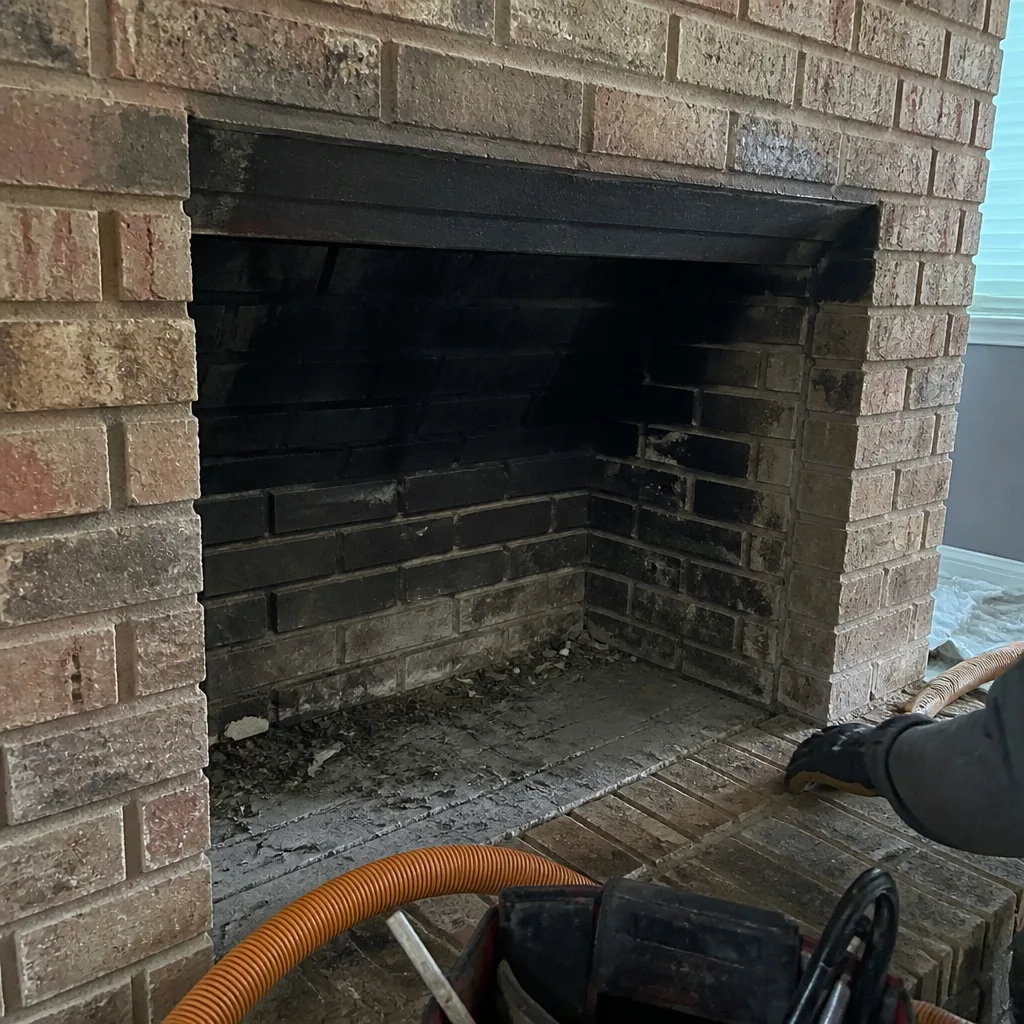 Before
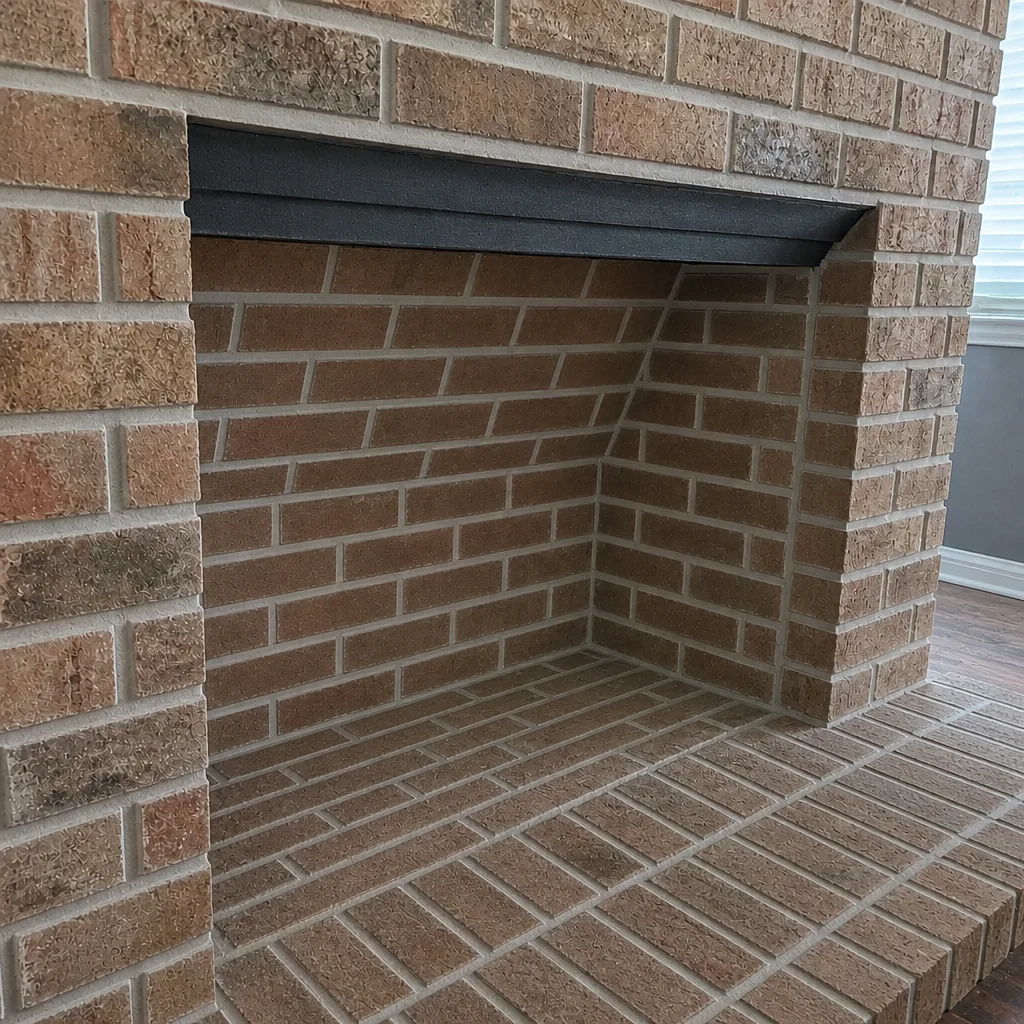 After
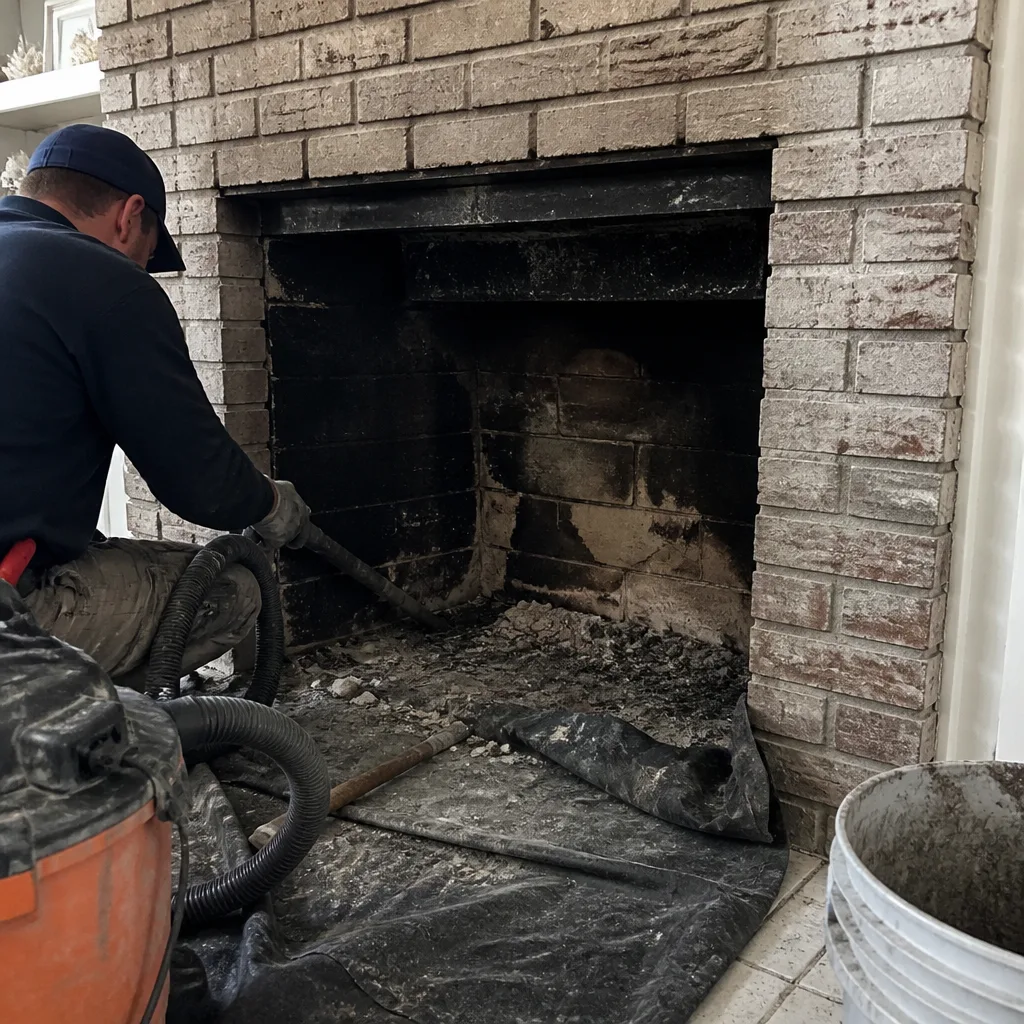 Before
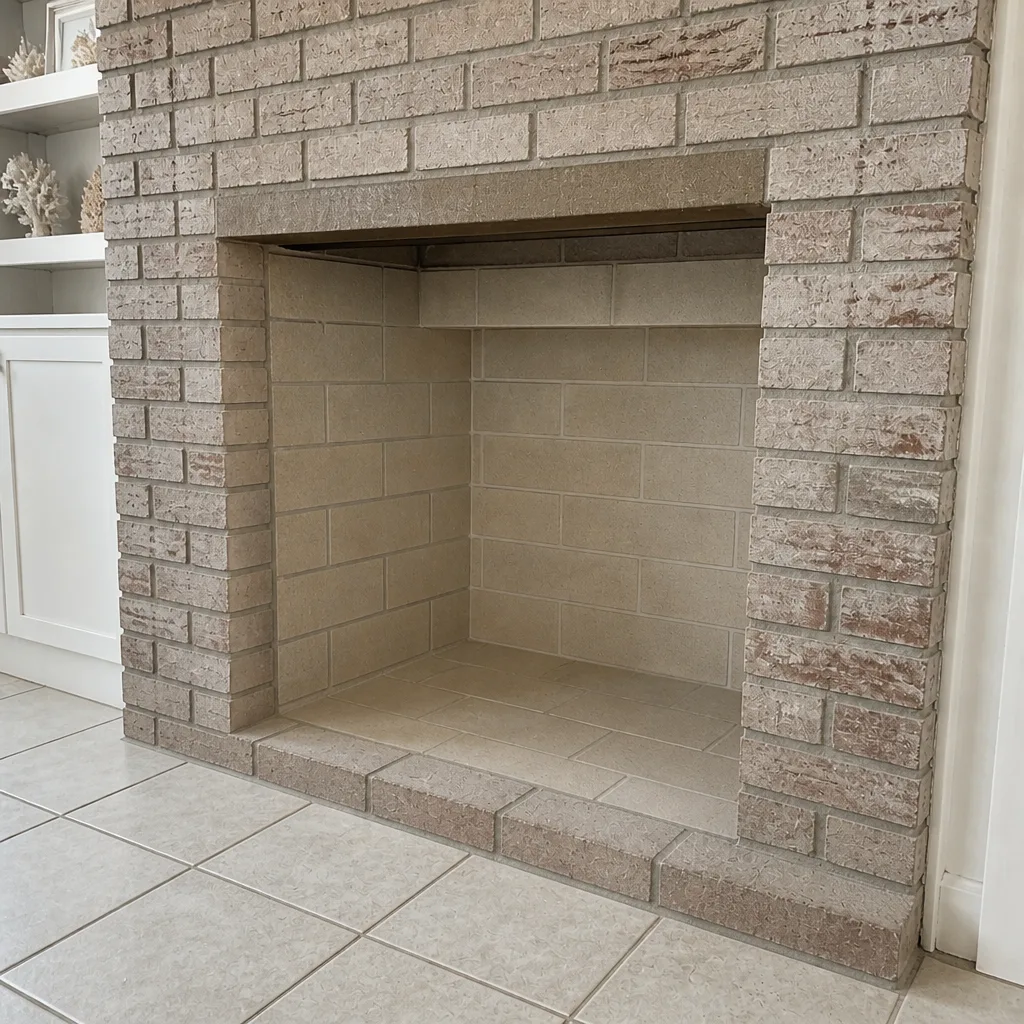 After
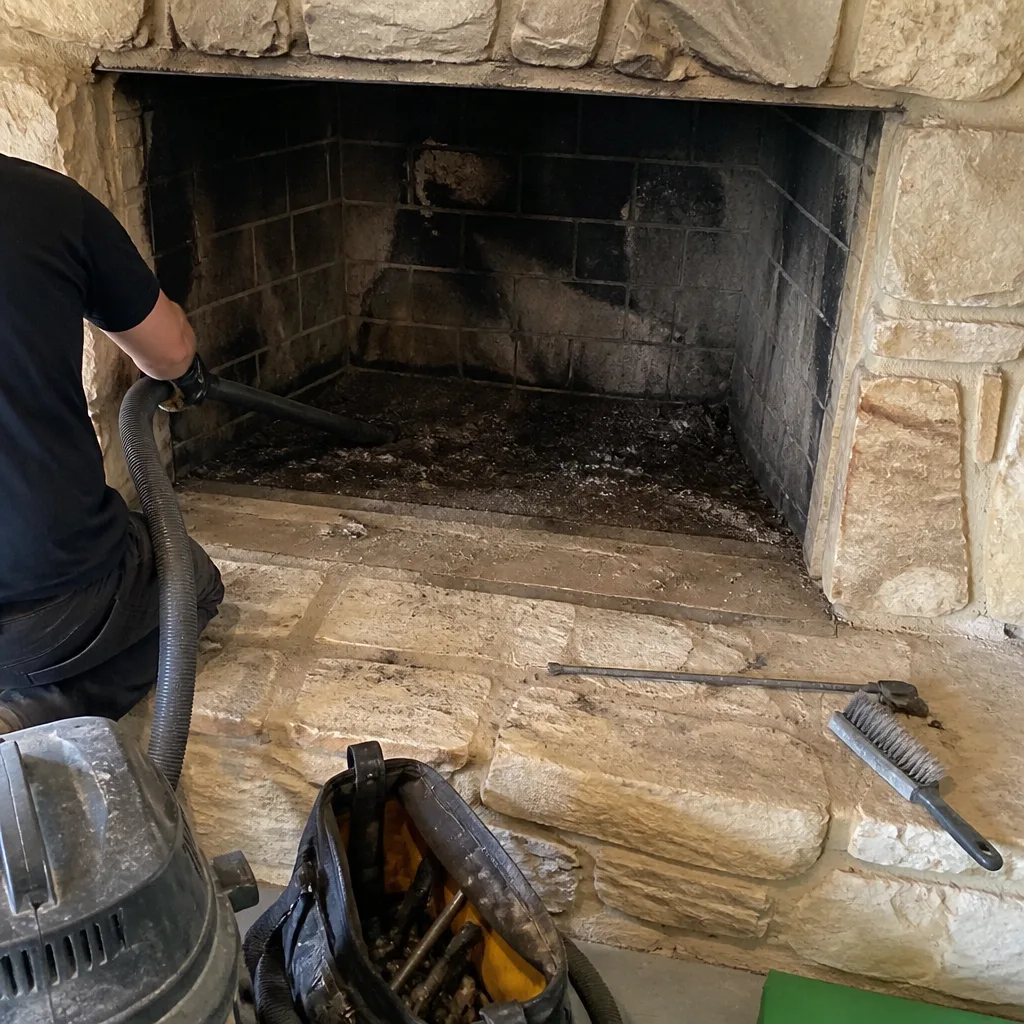 Before
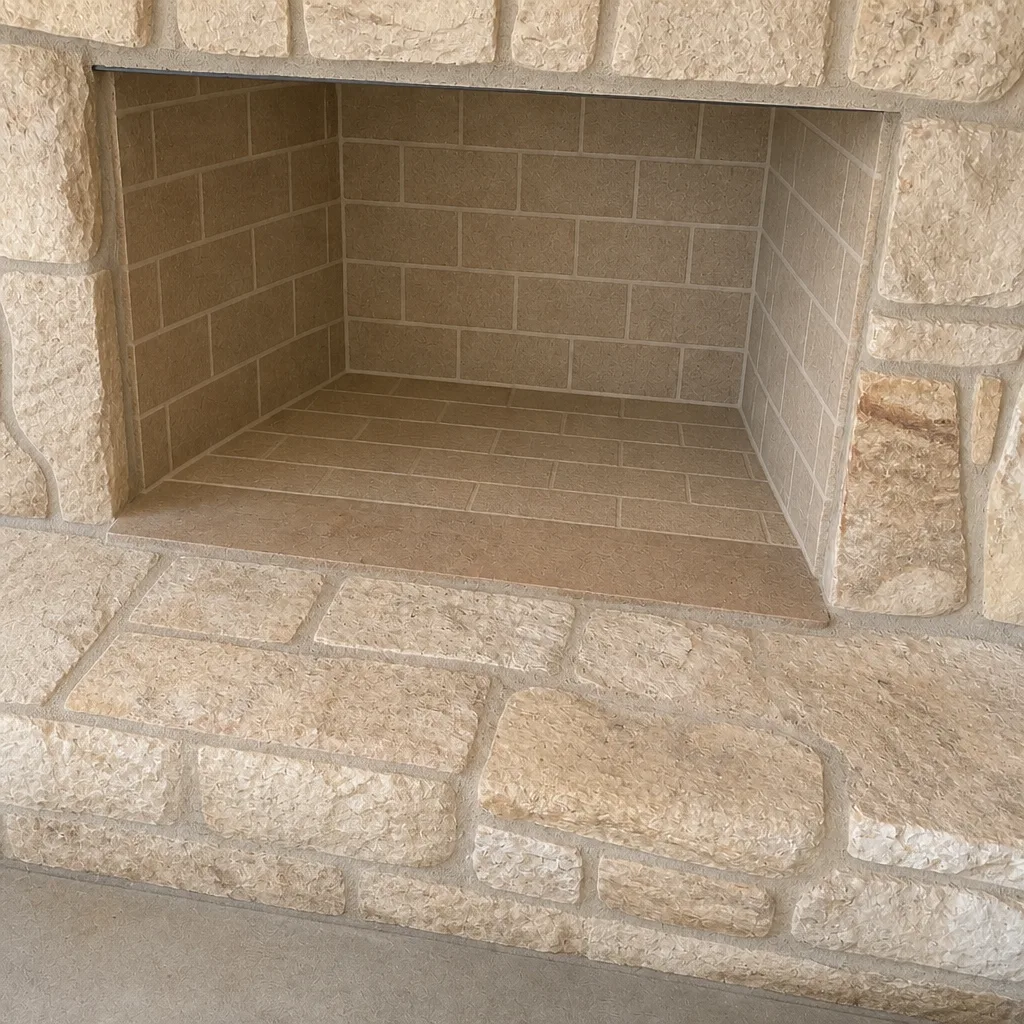 After