
Last updated November 15, 2026
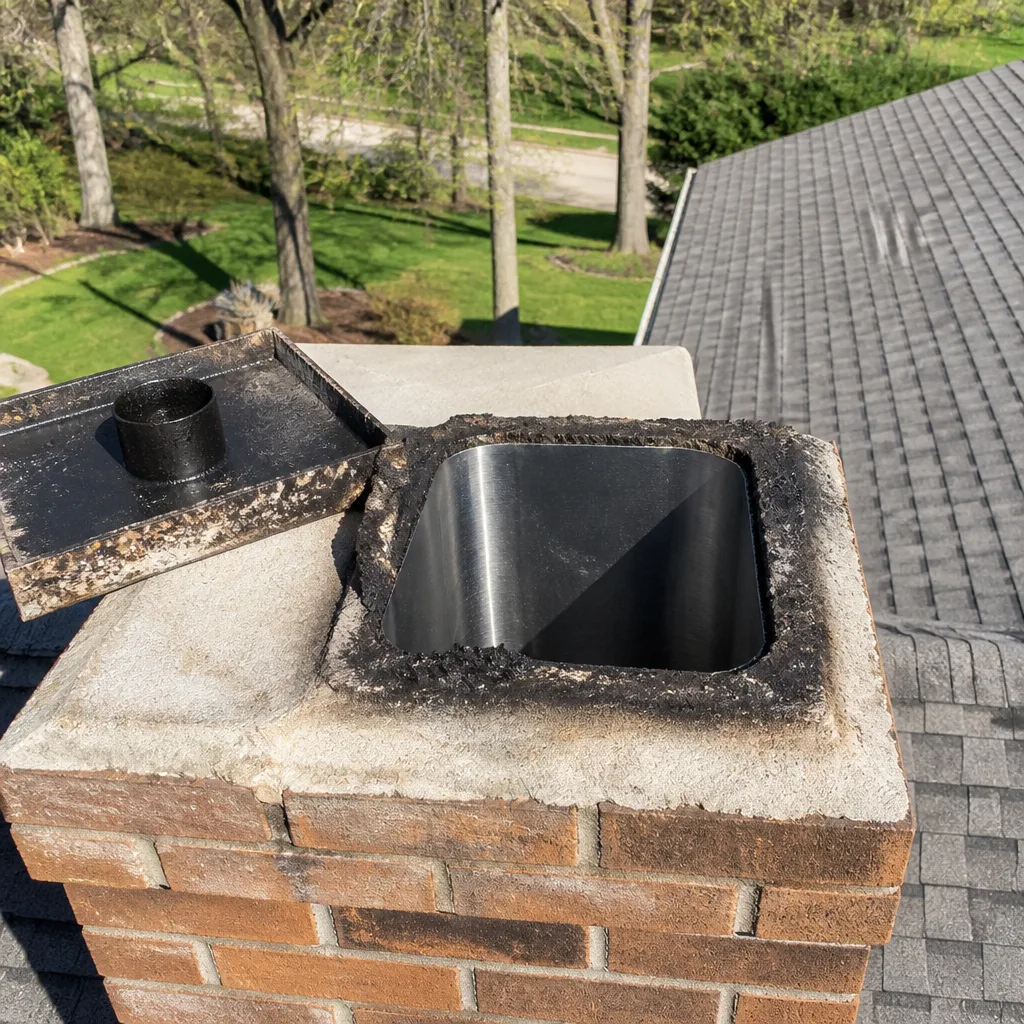 Sweep & inspection
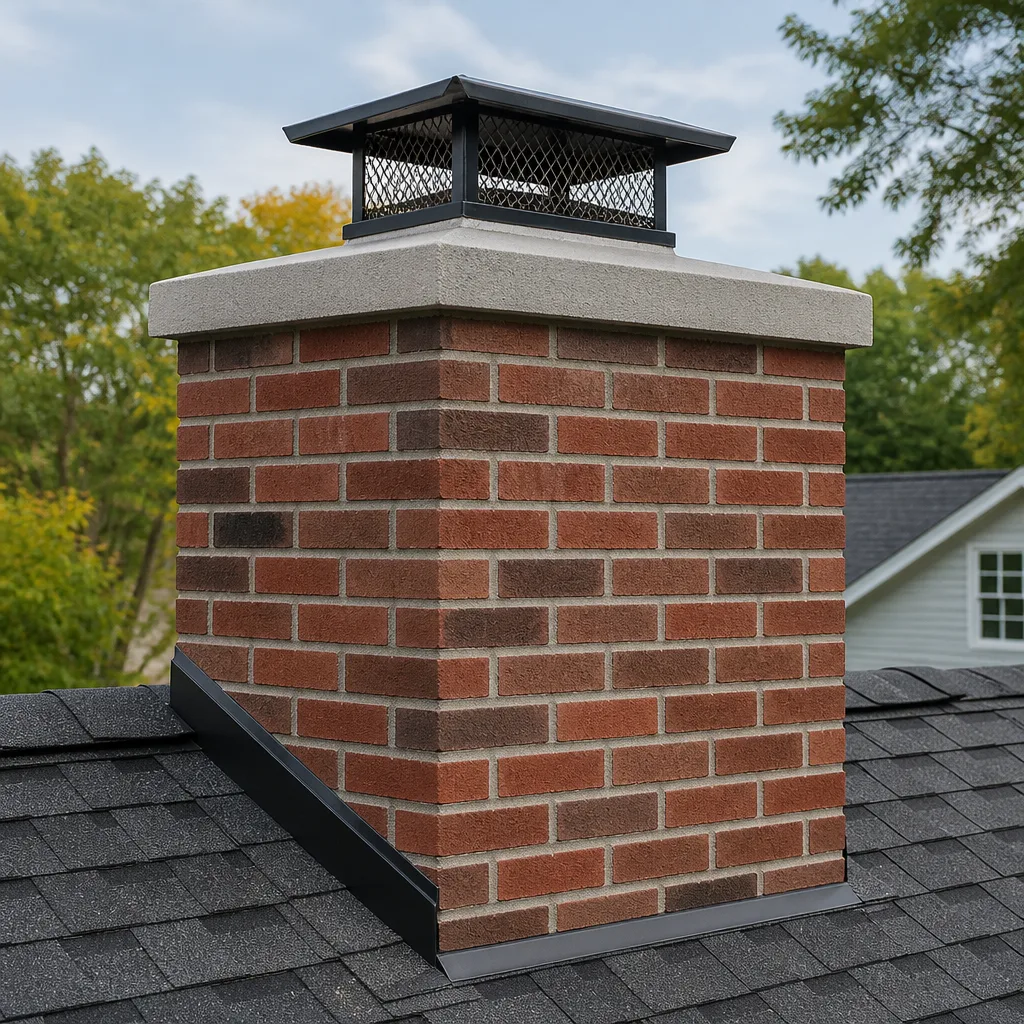 Caps & crowns
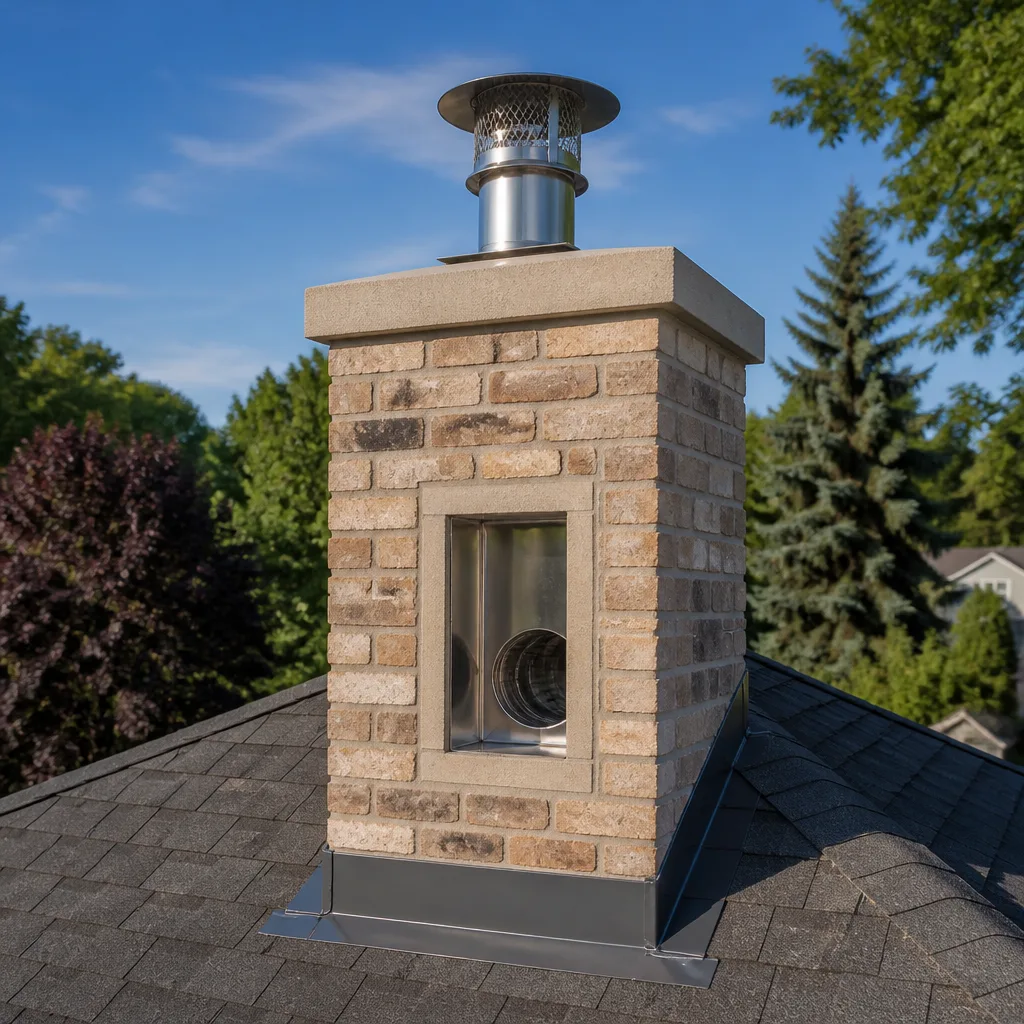 Flue relining
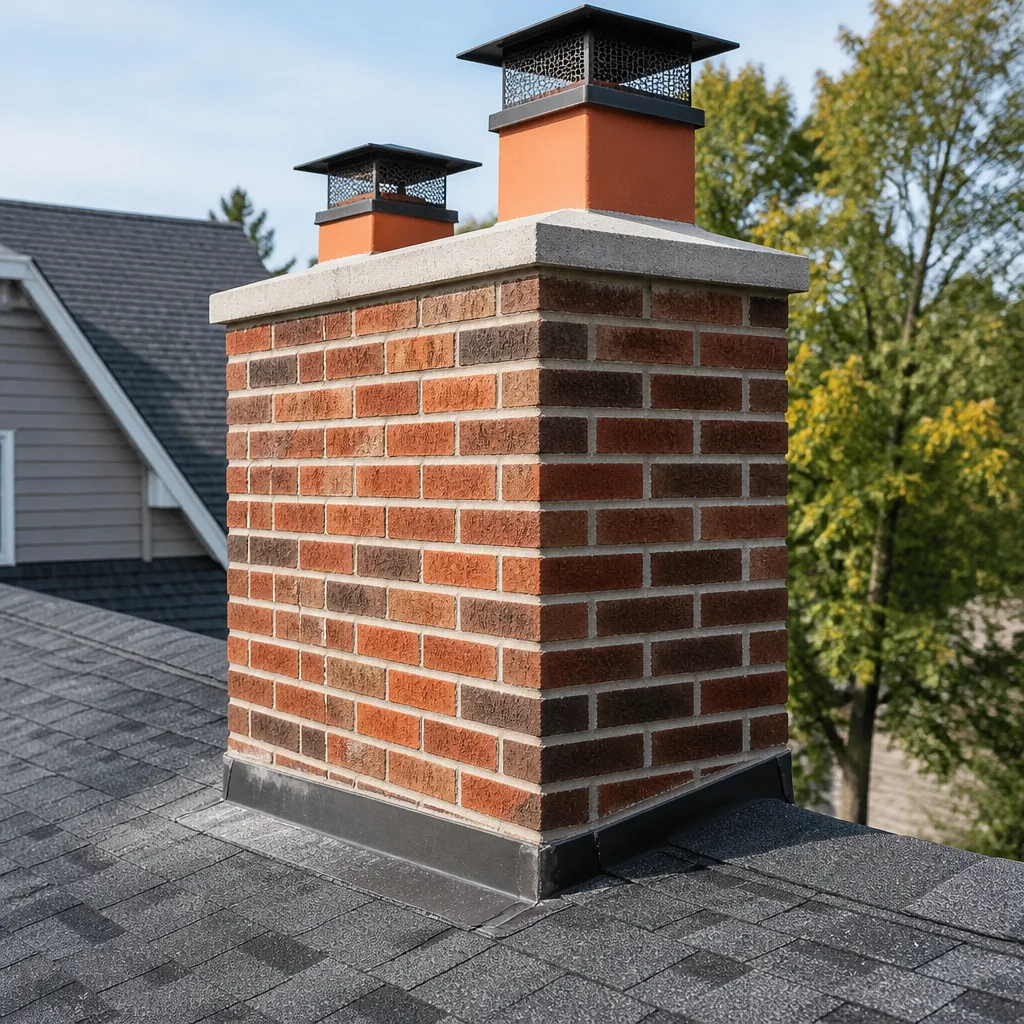 Masonry repair
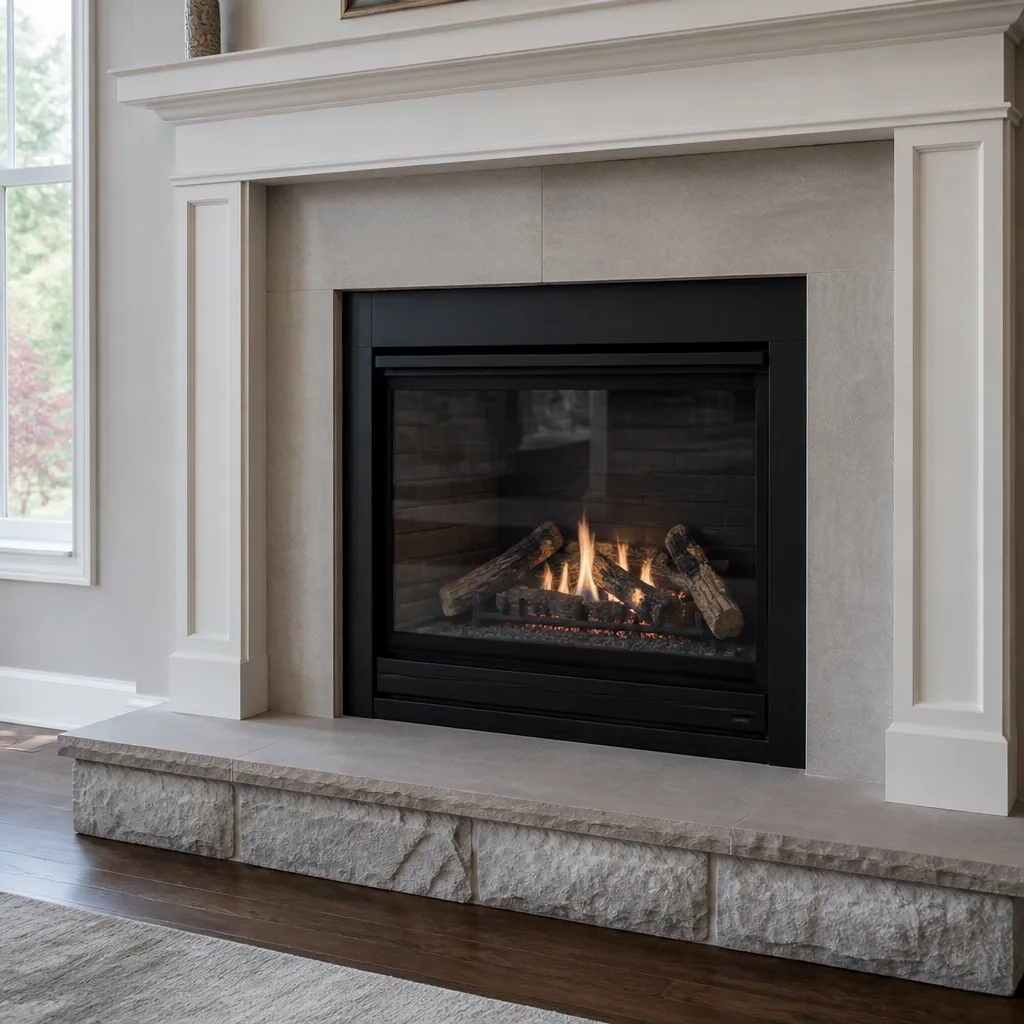 Gas fireplace service
Level 1 sweep and inspection to the NFPA 211 annual standard - flue, crown, cap, and flashing checked and photographed
Chimney sweep logs do not sweep chimneys. They loosen some creosote - which then falls where a brush and vacuum still have to collect it.
Seasonal Chimney Cleaning Care for Arlington: Year-Round Homeowner’s Guide
The standard advice (“schedule your chimney sweep in September”) was written for climates where the heating season starts in October. Arlington doesn’t work that way. You might not light a fire until December, and by then your chimney has spent six humid months absorbing moisture, swelling mortar, and letting creosote settle deeper into the flue. The fall-rush appointment you booked may come three months too early. This guide maps what an Arlington chimney actually needs in each season, not what a northern-climate industry template recommends. You’ll learn how summer heat, a short and irregular burn season, and our specific moisture patterns change the maintenance calendar, plus what to check on your own and what to leave to a professional.
Quick Answer
Chimney care in Arlington works best when it’s reordered around our climate: schedule a post-summer exterior inspection in early fall, sweep before the first burn rather than in a September rush, monitor draft and smell during the short winter burn season, and handle masonry repairs in spring before the heat sets in. A yearly sweep plus a moisture and cap check is the core rhythm. Anything that involves the flue liner, crown repairs, or creosote removal belongs with a trained professional who can show you photo evidence of what they find.
Styles & brands we work with
- Sweep & inspection
- Caps & crowns
- Flue relining
- Masonry repair
- Gas fireplace service
Table of Contents
- Why Arlington’s Chimney Calendar Doesn’t Match the National Script
- Summer: What Heat and Humidity Do to Your Flue
- Fall: Pre-Season Checks Before the First Burn
- Winter Burn Season: Reading the Signals Mid-Season
- Spring: Assessing Moisture Damage and Booking Repairs
- Cap and Crown Monitoring: The Small Repairs That Save Big Ones
- Sweep or Repair? How to Tell Which You Need
- Don’t Forget the Dryer Vent
Why Arlington’s Chimney Calendar Doesn’t Match the National Script
Most national chimney-sweeping content assumes a hard freeze in November, a steady four- or five-month heating season, and a spring thaw that dries everything out by April. Arlington runs on a different clock. Our summers stretch long and humid. Our burn season is short and irregular – a Texas cold snap in January, a mild stretch in February, a few fires in March that catch people off guard. That mismatch is why a September sweep booked out of habit may miss the actual problem entirely.
Here’s what our technicians look for when we’re working in Arlington:
- Moisture from summer humidity – softens mortar joints, rusts dampers, and lets creosote bond harder to flue walls before the first fire is ever lit.
- Thermal movement, not freeze-thaw – the daily heat of our summers causes brick and mortar to expand and contract in ways the northern script ignores.
- A short, intense burn season – when people do burn in Arlington, many burn hotter and more frequently for a few weeks than a northern household that runs a fire every night for four months. That changes creosote formation.
- Yard debris and pollen – our long growing season means leaves, seeds, and fine debris collect on crowns and around caps, trapping moisture where brick and mortar sit.
Reorder the annual rhythm and the work gets simpler. Instead of one fall appointment that tries to do everything, plan two actual checkpoints: a late-summer exterior look and a pre-season sweep. Add a spring follow-up if the winter revealed anything. Our chimney sweep visits are built around that pattern, not around a September calendar block.
Summer: What Heat and Humidity Do to Your Flue
Summer is when Arlington chimneys quietly age. Months of heat and humidity work on the same mortar, flashing, and creosote that a northern homeowner only thinks about from October onward. A chimney that sat unused all summer can look fine from the ground and still have soft mortar joints, lifting flashing, or a creosote layer that’s bonded tighter than it was in March.
What actually happens over a North Texas summer
- Mortar joints soften. Humidity draws moisture into the porous mortar between bricks. Over months, small cracks open and masonry loses its grip.
- Flashing separates. The metal where your chimney meets the roof moves with the heat, and the sealant around it ages faster in our summers than people expect.
- Creosote bonds deeper. Any creosote left on the flue wall from last winter glazes harder in the heat, making it more stubborn when the fall sweep comes.
- Dampers and dampers rust. Condensation inside a closed firebox attacks the metal damper blade and hinge, so the first fire of the year comes with a damper that sticks or doesn’t seat properly.
- Debris collects. Leaves, twigs, and the fine seed matter that drifts all summer through Arlington settle on the crown and around the cap, holding moisture against the surface.
A post-summer exterior check takes less time than people think and can catch real problems before the fall rush. Walk out with binoculars on a clear morning and look at the chimney top and the flashing line. Then look at the firebox. If you see white staining on the brick, dark streaks on the flashing, or a damper that doesn’t move freely, that’s a job for a technician – not an indictment of the chimney, just a normal sign that summer did its work.
Even if you didn’t burn at all last winter, the post-summer check still matters. Moisture doesn’t wait for a fire.
Fall: Pre-Season Checks Before the First Burn
The single most useful shift for an Arlington homeowner is to stop looking at September as the sweep month and start looking at it as the inspection month. Book the actual sweep for late October or November, right before you plan to light that first fire. This year’s firebox in Arlington may not see flame until December, and a November sweep means the flue is fresh when it does.
Pre-season inspection steps
- Walk the exterior. Look at the crown, the cap, the flashing, and the brick face. Any obvious cracking, rust, or dark staining is a signal.
- Check the firebox liner. Look for cracked firebrick, gaps in the mortar, or shiny black glazing on the walls. A cracked firebox liner is a safety concern, not a cosmetic one.
- Open and close the damper. It should move smoothly and seat flush. A sticking or hanging damper changes how draft works all season.
- Look up the flue with a light. You’re not diagnosing creosote levels by eye – just looking for obvious blockages like a bird nest or a fallen cap screen.
- Book the sweep. A professional sweep gives you a camera inspection and photos of what they find, so nothing is left to guesswork.
- Test the smoke. Before your first real fire, light a small piece of kindling and watch where smoke goes. If it rolls back into the room, stop and call a technician.
Why November beats September in Arlington: the summer moisture has done its damage, the fall debris has finished dropping, and the sweep happens close enough to the actual first burn that whatever your technician finds is current. A September sweep three months before a December fire means three more months of debris and moisture settling into a freshly cleaned flue.
Winter Burn Season: Reading the Signals Mid-Season
During a short, irregular Arlington burn season, your chimney tells you when something has changed, if you know what to watch. Draft, smell, and smoke behavior are the three live indicators. They’re not diagnostics, and they don’t replace a professional inspection, but they tell you when to call.
Draft
A working flue pulls smoke up and out. If your fire is sluggish, smoke drifts into the room on startup, or the fire struggles to get going when it used to catch quickly, the flue is telling you something changed. A partially blocked flue, a damper that doesn’t open fully, or creosote buildup can all reduce draft.
Smell
A faint smoky smell on a cold morning is normal. A sharp, acrid smell coming from the fireplace when no fire is burning, or a chemical odor off the flue wall, deserves a call. Those are the signals that something in the firebox or flue has changed enough to check.
Smoke
Watch the smoke from the chimney top on a still day. Thin, wispy smoke that clears is normal. So is a visible plume on a very cold morning. A dense plume that lingers, or smoke rolling back into the living room during startup, are the two situations that justify stopping the fire until a technician checks the flue.
If mid-season you notice any of these, don’t push through and burn through it. A January call is far cheaper than a March problem. Call Thrive Chimney Sweep and we’ll come out, run a camera inspection, and show you the photos of whatever we find.
Spring: Assessing Moisture Damage and Booking Repairs
Spring is the correct season for masonry work in Arlington, not fall. The reason is heat and schedule. Mortar cures at moderate temperatures, and repairs made in spring have months to set before the summer heat and the first fall fires. By the time a homeowner waits until October to fix a cracked crown, they’re squeezing the repair into a schedule that’s already full.
What to assess in spring
- Crown condition. Look for hairline cracks, missing chunks, or a crown that has pulled away from the flue. A damaged crown is the most common way water gets into a chimney.
- Flashing and sealant. Check the metal strip where your chimney meets the roof. If it’s lifting or the sealant has dried and cracked, water can find its way in.
- Brick face. Look for spalling brick (faces flaking or popping off) or white powdery staining on the surface, both signs of retained moisture.
- Mortar joints. Recessed joints that have crumbled or hairline cracks running through the mortar between bricks.
- Firebox liner. Cracks in the firebrick should be addressed before the next burn season, not the next sweep.
For masonry repairs, the material and method matter more than the cosmetic result. Cracked crowns and soft flue walls are repaired with materials designed for the job – resurfacing compounds and joint repairs that are formulated for high heat and moisture exposure, not tub-and-tile caulk. We work with HeatShield for resurfacing and with Gelco and Olympia Chimney components where a repair calls for them, so the fix holds through the next Arlington summer.
If a spring inspection finds the flue itself is compromised – cracks in the clay tile, gaps at the joints, or an unlined flue – the repair is a liner installation. A proper liner brings the flue back to working specification rather than patching the symptom, and DuraFlex liners are what we reach for when a flue needs structural reinforcement. That’s a repair, not a band-aid, and it’s the kind of work a sweep-only service can’t do.
Cap and Crown Monitoring: The Small Repairs That Save Big Ones
If we could get Arlington homeowners to check one thing every season, it would be the crown and cap. These two components take the brunt of everything the weather throws at a chimney, and both fail slowly enough that the damage often shows up in the flue or the ceiling before the homeowner notices the roof-level problem. Walking the roofline with binoculars from the yard twice a year – once in late summer, once in early spring – catches most of what needs catching.
What a crown does, and how it fails
The crown is the concrete or mortar cap on top of the chimney that sheds water away from the flue and the brickwork. It expands and contracts with heat, and it cracks. Once it cracks, water seeps into the top of the masonry, travels down the flue, and shows up months later as staining on the ceiling or a flue wall that won’t stay dry. Most crown failures develop at the joint where the crown meets the flue tile – a spot that’s easy to see with binoculars and easy to miss from the ground.
What a cap does, and how it fails
The cap is the metal or mesh cover that keeps rain, animals, and debris out of the flue. Caps fail in three common ways: the screen tears or rusts through, the cap shifts out of level after high winds, or the screen becomes so clogged with fine debris that it blocks draft. Any of these changes how the chimney works. A loose cap is also the most common way a bird or squirrel ends up in a flue and blocks the smoke path entirely.
Seasonal cap and crown check
- Look at the crown from the ground. Is it visibly cracked, chipped, or has it pulled away from the flue tile?
- Look at the cap angle. It should sit level. A tilted cap means it’s shifted and needs to be reseated.
- Look at the screen. If you can see the mesh is torn, stained with rust, or filled with debris, the cap needs attention.
- Look at the flashing line. Any separation, lifting, or missing sealant is a leak point.
- Look for white staining. On the brick face below the crown, this signals moisture that’s already inside the masonry.
A crown repair or cap replacement is quick, low-cost work when done early. Once water is inside the flue, the repair becomes a resurfacing or liner project. We specify Famco caps and crown-repair materials because they hold up to Texas heat and the seasonal swings that crack cheaper components.
Sweep or Repair? How to Tell Which You Need
Homeowners often call us worried about a huge repair bill when what they need is a routine sweep, and just as often call us for a sweep when the real issue is structural. Here’s the simplest way to think about the difference:
- A sweep is a cleaning. Creosote, soot, and debris are removed from a flue that’s structurally sound.
- A repair is a fix. Cracks in the flue tiles, damaged crown, loose flashing, cracked firebox liner, or a failed cap are structural concerns that cleaning alone won’t solve.
- An inspection is what tells you which you need. A proper inspection includes a camera run and photos of what we find, so the recommendation is based on evidence, not a guess.
Here’s the honest version of how we work: if we find a flue that just needs a sweep, we say so. If we find creosote that’s bonded hard enough to glaze, or a crown with cracks that water is already finding, we show you the photos and explain what the repair involves. If the repair can safely wait until spring – say, a crown crack that isn’t actively leaking – we tell you that too. Nobody should be told they need thousands of dollars of liner work they can’t see evidence for. That’s a standard we hold to because we want you to call us next year, not to feel pushed.
Don’t Forget the Dryer Vent
Most chimney companies don’t clean dryer vents. We do, because it’s the same trade principle: ventilation systems carry fire risk when they stop working properly. A dryer vent packed with lint is one of the most common causes of house fires in the U.S., and Arlington homes with the same long summer of heavy use see the buildup happen fast. The vent goes from the back of the dryer to the exterior wall or roof, and every load of laundry sends a little more lint into the duct.
Our dryer vent cleaning is done to NFPA fire-safety standards and it isn’t a quick vacuum at the wall. We run the full vent line, clear the buildup, and check the exterior termination for the flap or screen condition that tells you whether the vent is actually exhausting cleanly. If you’ve never had your dryer vent cleaned, or if your dryer has started taking longer than it used to run a load, that’s the call to make.
Bundling the sweep and the dryer vent into one visit makes sense for a lot of households. Same technician, same visit, both ventilation systems checked at once. It’s the practical way to cover the whole-home venting picture rather than remembering two separate maintenance schedules.
Common Mistakes to Avoid
- Booking the sweep in September “because that’s when you do it.” In Arlington, a November sweep is a better match for the actual burn season. A September sweep can leave three months of new debris in the flue before the first fire.
- Ignoring a chimney you didn’t use last winter. Summer humidity still works on mortar and flashing whether or not a fire burned. Skipping the post-summer exterior check lets small water intrusion become a spring repair project.
- Cleaning only the firebox and calling it done. The flue above is where creosote actually builds up. A firebox-only clean leaves the riskiest part of the system untouched.
- Using a hardware-store brush kit on a masonry flue. Stiff brushes on soft clay tiles can do real damage. A sweep done with the wrong tooling can cost more than it saves.
- Letting a crown crack sit through one more summer. A hairline crack widens every hot, humid season. By the time it’s visible from the ground, water has often already reached the flue.
- Putting off the liner repair after a camera inspection found damage. A compromised liner is a safety issue, not a cosmetic one. The right move is to fix it before the next burn season.
- Skipping the dryer vent because “the lint trap catches it.” The lint trap catches roughly the visible portion. The rest goes into the duct and accumulates with every load.
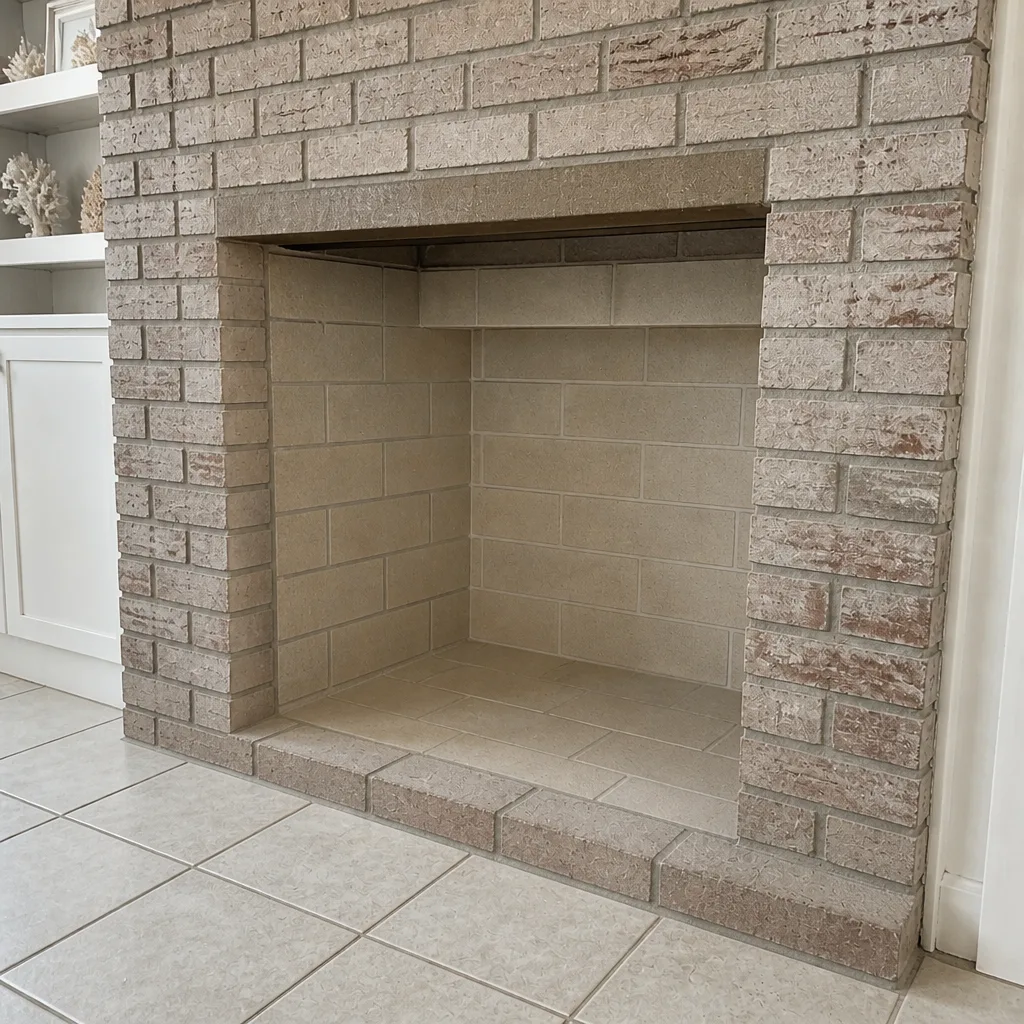
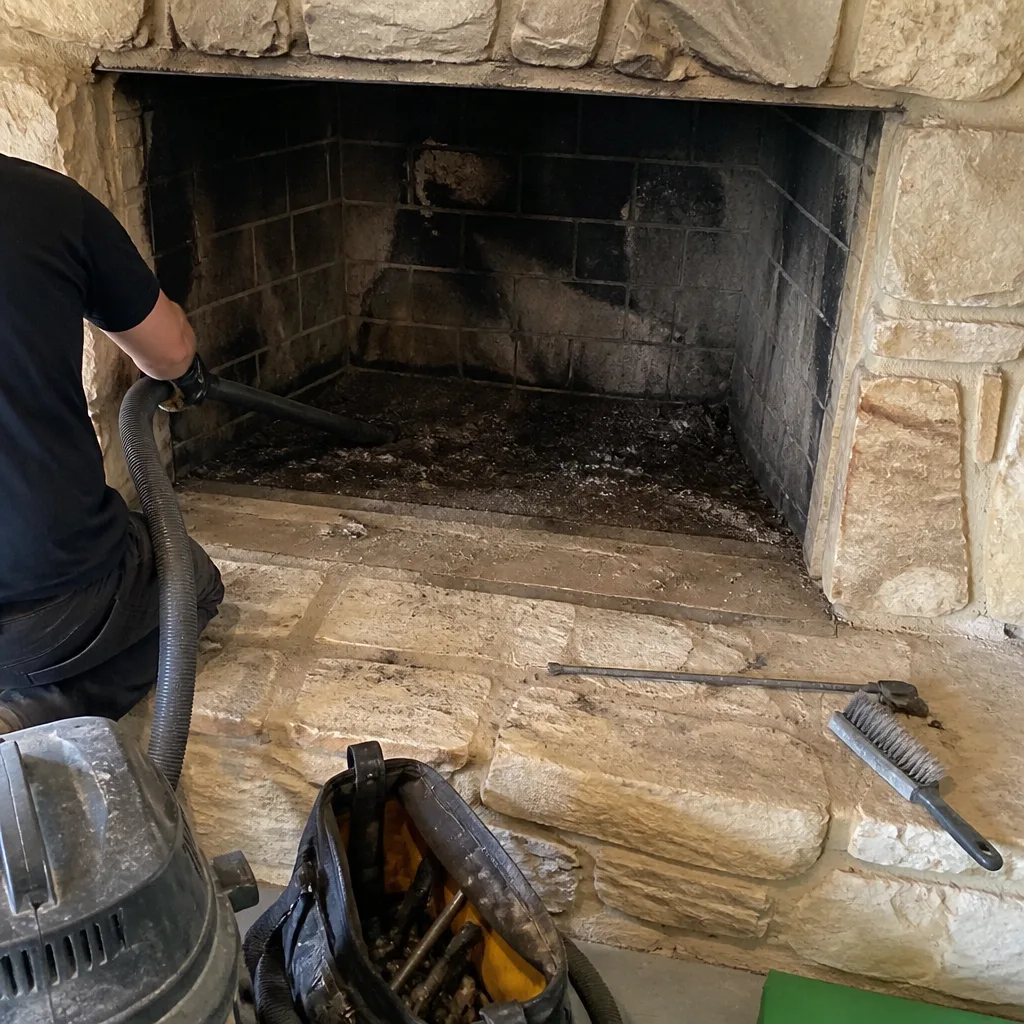
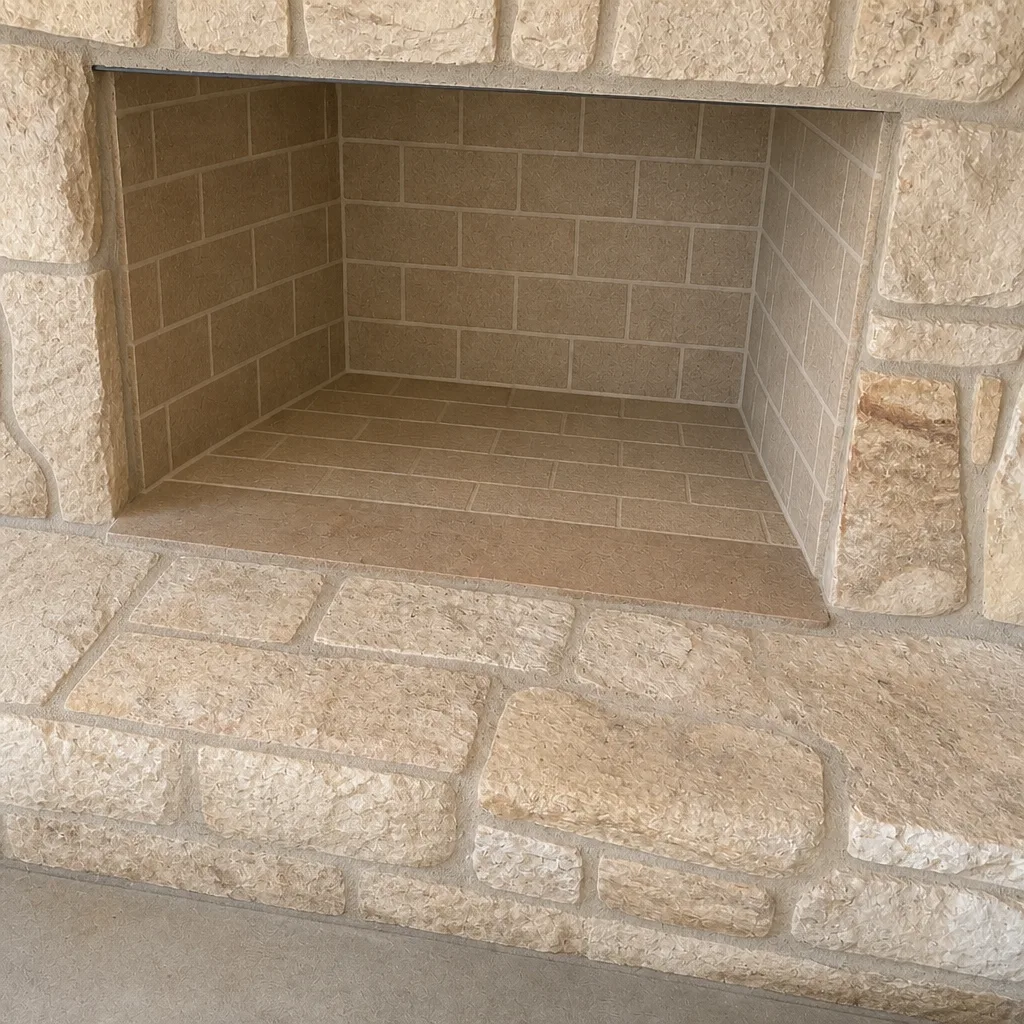
See the difference
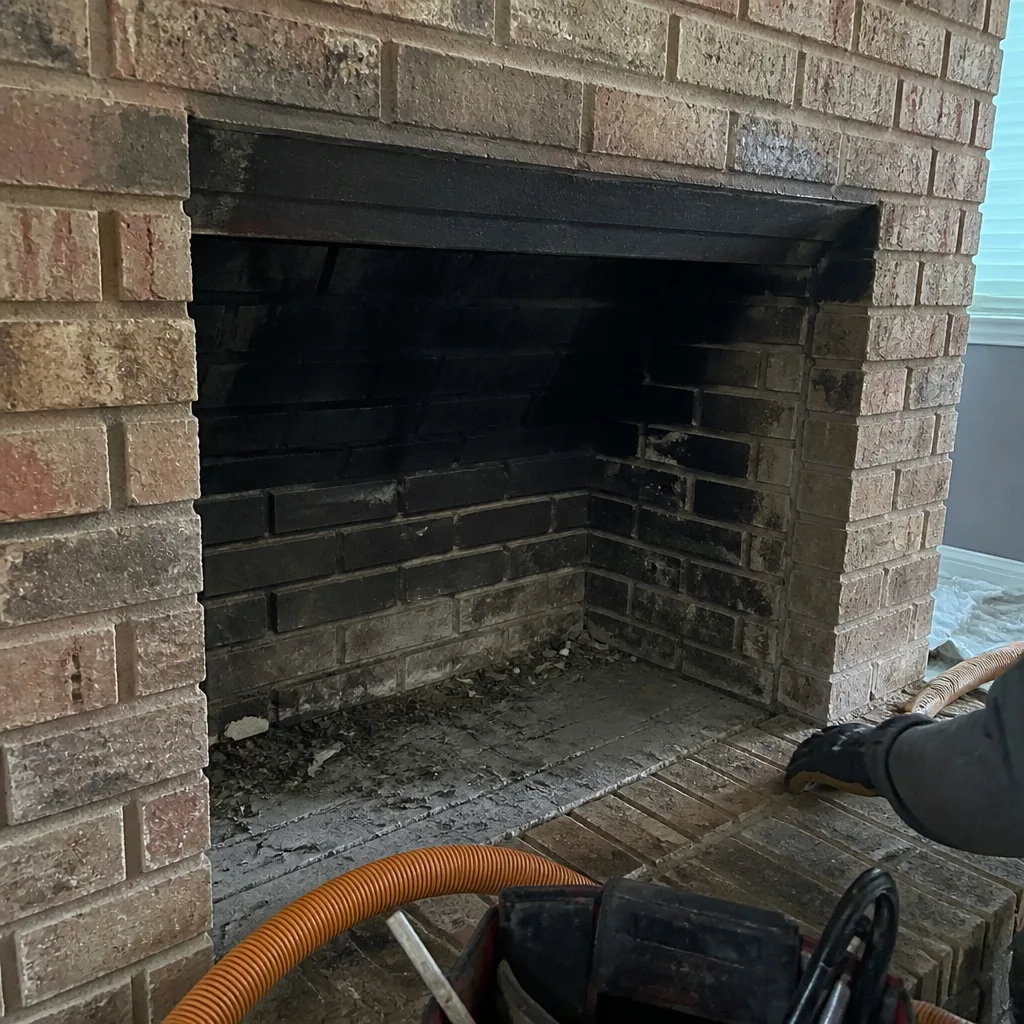 Before
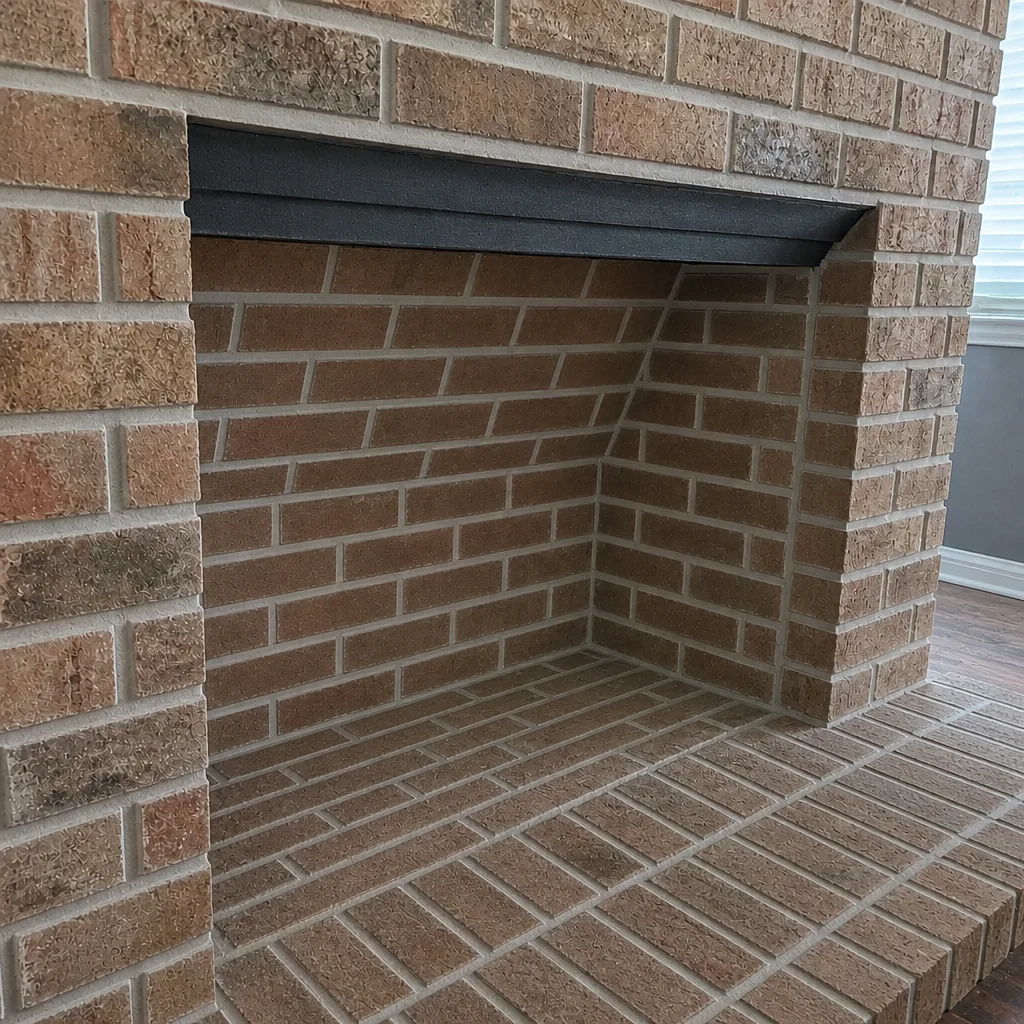 After
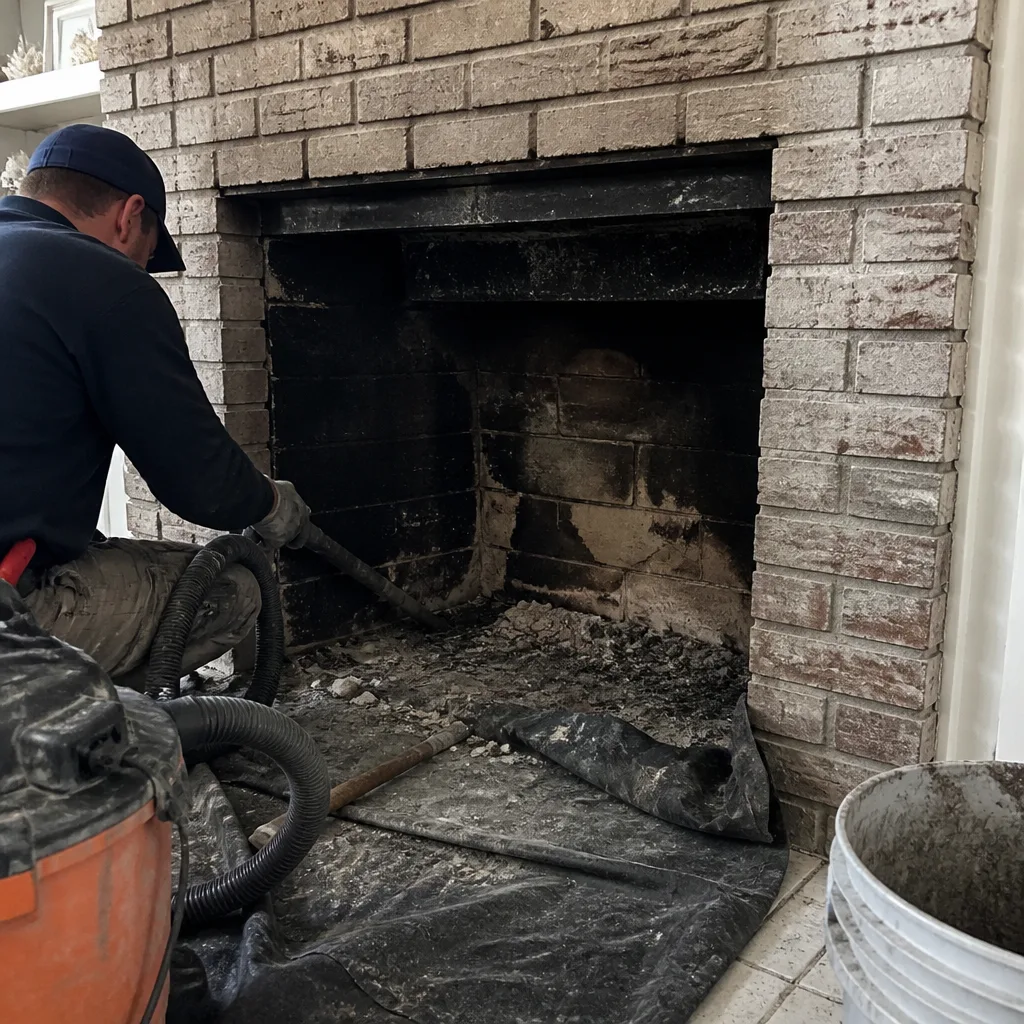 Before
 After
 Before
 After
When to Call a Professional
Call a professional if you smell smoke in the house when no fire is burning, if you see smoke rolling back into the room on startup, if you’ve found a crack in the firebox liner or visible damage to the crown, or if it’s simply been more than a year since the last sweep. Call if you just moved into an Arlington home and don’t know when the chimney was last serviced. Call if you’ve seen water staining on the ceiling near the chimney or on the brick face outside. And call if you’re not sure – a routine inspection is the cheapest way to find out whether anything is actually wrong.
Some work is safe to wait on. A crown repair that isn’t actively leaking can often be scheduled for spring. A sweep before burn season can be booked a few weeks out. What isn’t safe to defer is a compromised liner, a cracked firebox liner, or a flue that’s blocked. Those are fire and carbon monoxide risks, not maintenance items. Thrive Chimney Sweep offers free estimates in Arlington – call (866) 942-6157.
Frequently Asked Questions
Schedule it in late October or November, right before your first planned fire. Arlington’s actual burn season is short and often doesn’t start until December, so a November sweep means the flue is clean when you need it. Booking too early in September leaves the flue sitting through more fall debris before it’s actually used. Call (866) 942-6157 for an exact quote – estimates are free.
A typical chimney sweep appointment is priced per job based on the flue length, the condition, and whether a dryer vent cleaning is bundled in. We give a written estimate before any work begins, so there’s no surprise on the bill. The estimate is free, and the written estimate sets the final price. Call (866) 942-6157 for an exact quote.
Not always, and we won’t recommend one unless the camera inspection shows damage that can’t be repaired another way. A cracked, gapped, or unlined flue is a safety concern, and a DuraFlex liner brings that flue back to working specification – it’s a structural repair, not an upsell. If the flue is intact and just needs a sweep, that’s what we’ll tell you. Call (866) 942-6157 and we’ll show you the photos of what we find.
Once per year for most Arlington households that burn regularly, and less often for households that burn a few times a season. The count of fires matters less than the amount of creosote each fire leaves behind. If your fires are hot and short, creosote buildup is slow. If they’re slow-burning, smoldering fires, buildup is faster. A camera inspection each year tells you what you actually need. Call (866) 942-6157 for an exact quote – estimates are free.
Creosote accumulates in the flue, and if it reaches a glazed stage it becomes a chimney-fire fuel source that a routine sweep can’t always fully remove. Separately, a crown crack or flashing failure lets water into the masonry, which softens mortar over a season or two and turns a small repair into a bigger one. Neither is a guarantee – plenty of homeowners go a year without a sweep and are fine – but the risk increases with every skipped season. Call (866) 942-6157 for an exact quote on a full inspection – estimates are free.
Yes, and it’s the practical way to handle both ventilation systems in one visit. Same technician, same appointment, both venting systems checked. The dryer vent cleaning is done to NFPA fire-safety standards, and the chimney sweep covers the flue and firebox. Call (866) 942-6157 to schedule both together – estimates are free.
Look at the crown, cap, and flashing from the ground with binoculars once in late summer and once in early spring, and check the damper operation before each burn season. A smoke test before the first fire of the year is also useful. Any of those checks turning up cracks, dark staining, or a sticking damper means it’s time for a professional inspection. Call (866) 942-6157 if something looks off – estimates are free.
The Bottom Line
Arlington’s chimney calendar doesn’t follow the national template, and it doesn’t need to. Push the sweep closer to the actual burn season, add a post-summer exterior check, assess moisture damage in spring rather than fall, and treat the cap and crown as the small components worth watching year-round. That rhythm catches the problems that matter most in our climate – moisture, summer aging, and the short, intense burn window – before they become expensive repairs. Every recommendation should come with photo evidence you can look at yourself. Thrive Chimney Sweep runs a full scope: sweep, repair, and dryer vent cleaning in one place, using HeatShield, DuraFlex, Gelco, Olympia Chimney, and Famco materials.
Whether you’re ready to book a pre-season sweep or you want someone to take one look at the crown you’ve been meaning to call about, we’re here. Call (866) 942-6157 for a free estimate. We answer 24/7. Fast dispatch from 7am to 7pm, Sunday through Friday. Our technicians have up to 12 years of experience, and we’ll show you exactly what we find.
Written by the team at Thrive Chimney Sweep.