
DuraFlex Chimney Sweep in Arlington: A Homeowner’s Guide
DuraFlex carries a lifetime warranty, and that warranty is voided if the liner is installed in the wrong appliance category. That single sentence explains why so many Arlington homeowners end up with a seven-year problem instead of a 25-year liner. The product is rarely the culprit. The installation details are. This guide walks through what DuraFlex actually is, how sizing gets decided, and the three details that separate careful work from a cut-corner job. If you’d rather have a specialist look than climb onto the roof yourself, call (866) 942-6157.
What DuraFlex actually is, and why it isn’t hardware-store flex
DuraFlex is a UL-listed flexible stainless steel chimney liner system. Flexible means it’s built to snake down a flue that isn’t perfectly straight, which matters in older masonry chimneys where the clay tiles may have shifted or the flue has an offset. Stainless means it resists corrosion from flue gases far better than aluminum, and it’s rated for the higher temperatures that wood-burning and gas appliances can produce. It’s a conduit for exhaust, not a product you can substitute at the last minute for a roll of generic flex from a big-box aisle.
Why does the distinction matter in Arlington? A lot of local housing stock was built with masonry chimneys lined in clay tile. Those tiles crack, spall, or separate at the joints over time. Once the liner is compromised, flue gases and creosote can reach the surrounding masonry, and that’s where a flexible stainless system earns its keep. It re-establishes a continuous, sealed path from the appliance to the top of the chimney.
What DuraFlex isn’t: it’s not a band-aid for a flue that needs structural repair, and it’s not the right choice for every appliance. Gas, oil, and wood-burning appliances have different venting demands, and a liner that’s rated for one category may not be rated for another. That’s the warranty-void trap at the top. Ask which appliance category your liner is specified for, and get the answer in writing. We work with chimney sweep and liner installation as one connected process, because the inspection findings are what drive the sizing and the product choice.
The sizing calculation you should ask about before any DuraFlex installation in Arlington
Liner diameter isn’t a guess. It’s calculated from the appliance’s BTU output, the connector pipe diameter, and the flue height. Get any one of those wrong, and the liner may be too small to draft properly or oversized for the appliance to heat. Both are real problems. Undersized liners can lead to weak draft and smoke spillage. Oversized liners let flue gases cool too quickly, which encourages creosote buildup.
Here’s what a professional sizing conversation covers:
- BTU output of the appliance. The rating on the appliance data plate is the starting number, not a rough guess from the size of the firebox.
- Connector pipe diameter. The flue collar on the appliance sets the ceiling for the liner size.
- Flue height. A taller flue drafts differently than a short one, and the calculation accounts for that.
- Appliance category. Wood, gas, and oil each have their own venting requirements, and the liner spec must match.
If a contractor can’t walk you through this calculation in plain language, ask again. In our experience, the sizing step is where the wrong-job pattern starts. A correctly sized DuraFlex system in an Arlington home is the difference between a flue that drafts cleanly on a cold morning and one that smokes back into the room whenever the wind shifts. Ask for the numbers behind the recommendation, not just the diameter.
The three installation details that separate professional work from poor work
You can learn to spot a bad liner installation from the ground, and the top of the chimney is the first place to look. Three details carry most of the weight:
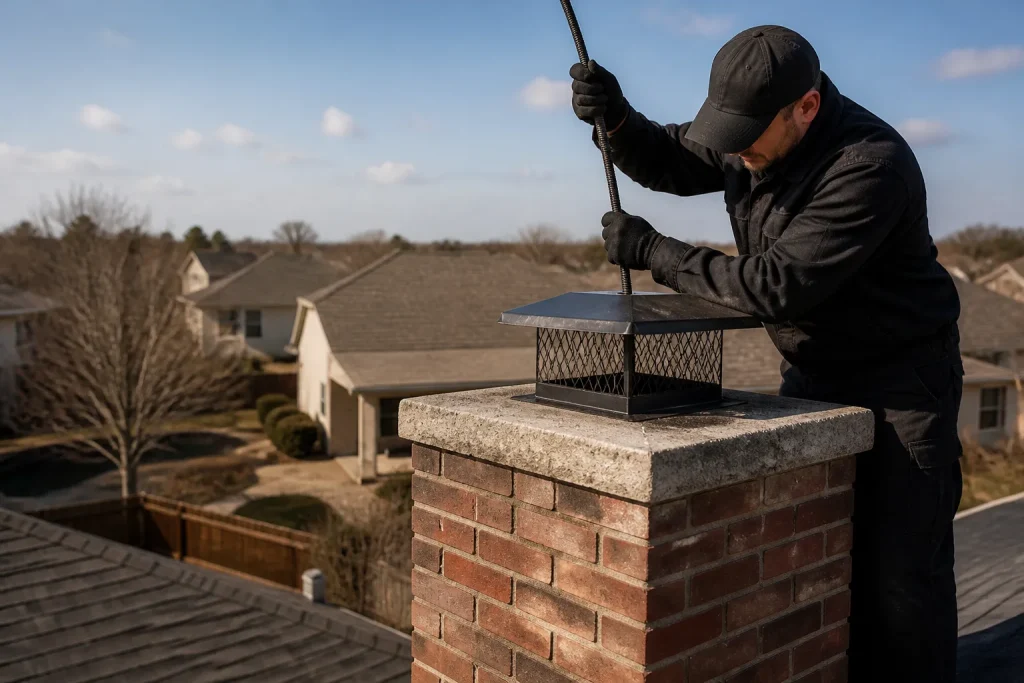
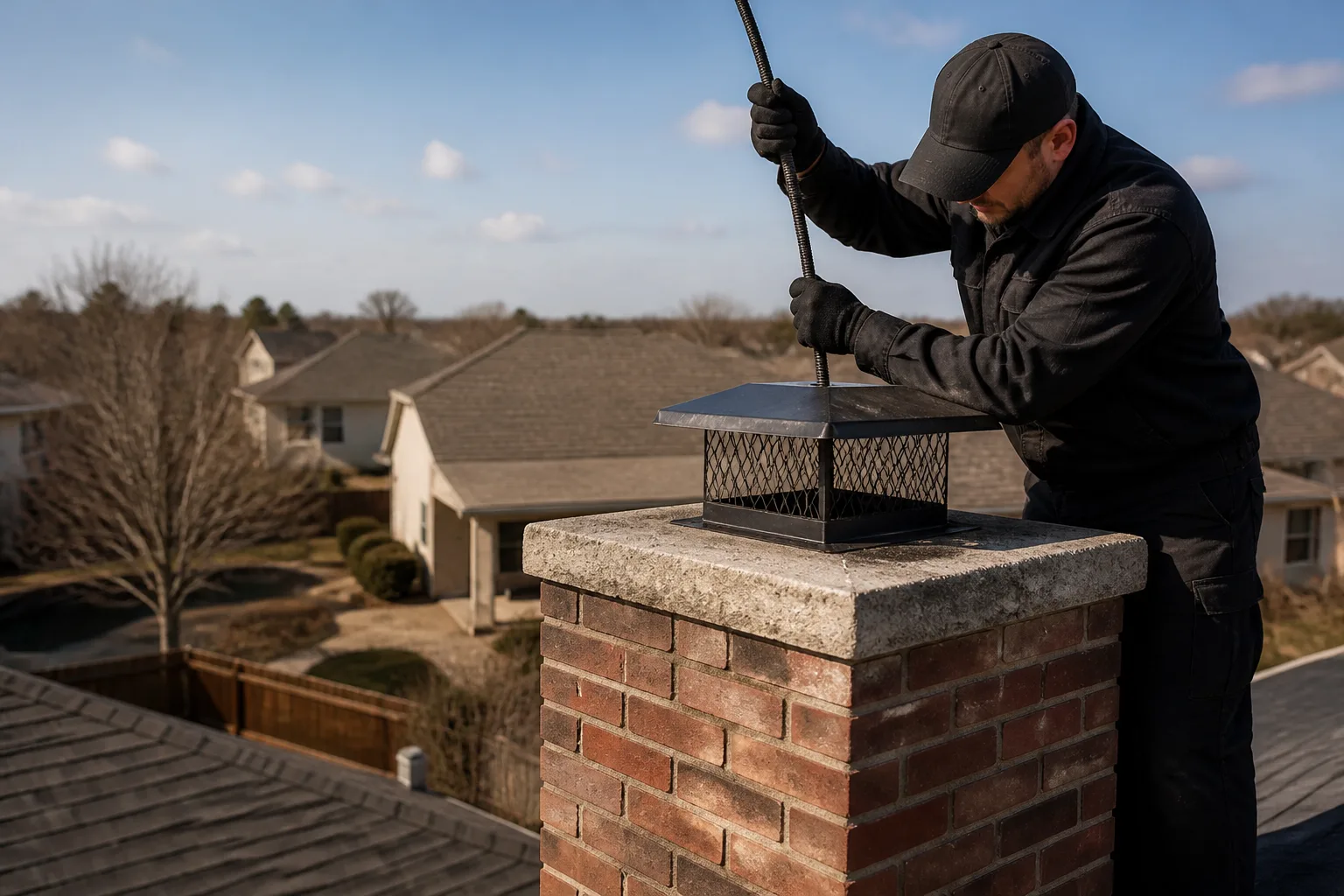
- Top termination method. The liner needs a proper top plate or cap that seals the chimney crown and keeps water, birds, and debris out of the annular space between the liner and the flue wall. A liner that just pokes through with a loose cap is an invitation for rainwater and a rough edge that catches creosote.
- Insulation wrapping in exterior chases. When the chimney runs up an exterior wall, the flue gases cool as they travel. An insulated liner holds heat inside the flue, which improves draft and reduces condensation of creosote. Liner insulation is part of the system, not an optional add-on.
- Bottom connection fitting quality. The connection at the appliance is where leaks hide. A proper adapter or connector that matches the appliance collar and the liner is what keeps flue gases inside the system. Foil tape and hope are not a connection.
These details are also where most of the labor lives. A liner that goes in quickly often skipped one of them. In Arlington homes with a chimney on an exterior wall, the insulation step is especially easy to skip and the hardest to notice from inside the house. Ask directly whether the liner is insulated and how the top plate is secured.
dryer vent cleaning is the other venting system in the house that deserves the same scrutiny, and we handle both in one visit because the risks are similar.
Which Arlington homes benefit most from a DuraFlex liner
Not every Arlington home needs a new liner, and a good inspection will tell you which category you’re in. These are the configurations where DuraFlex tends to earn its keep:
- Masonry chimneys with damaged clay tile liners. Cracks, spalling, and separated joints are the classic case. The original tile can’t be trusted, and a flexible stainless liner restores a sealed path without a full masonry rebuild.
- Chimneys with offset flues. When the flue jogs rather than running straight up, rigid liners can’t make the turn. Flexible liner is built for that geometry.
- Older homes converting from oil to gas. A new appliance often calls for a new venting category, and the old flue may not be rated for the new fuel. The liner spec has to match the appliance, or the warranty issue at the top of this guide becomes very real.
For flues that are sound but have a rough or pitted interior surface, resurfacing with HeatShield is often the better fix than a full liner replacement. We keep both options in the toolkit so the recommendation follows the inspection findings rather than the other way around. Brands like Olympia Chimney and Gelco round out the components we source, because the connection pieces matter as much as the liner itself.
What the DuraFlex warranty covers, and the paperwork you should get
DuraFlex’s lifetime warranty covers the liner itself against defects in materials and workmanship under normal use, provided the liner was installed correctly, in the right appliance category, and according to the manufacturer’s specifications. That last part is why the appli
ance-category question comes first in this guide. A warranty that covers the product doesn’t cover an installation error, so the document trail is your protection.
At the end of a job you should receive:
- The manufacturer’s warranty documentation for the liner you received. Make sure the serial or lot information matches the product that went in.
- A written record of the appliance category the liner was specified for, along with the sizing basis (BTU, connector diameter, flue height).
- A description of the installation, including whether the liner was insulated and how the top termination was sealed.
- An inspection report or photo record showing the condition of the flue before and after. This is your proof of the baseline condition if a future problem comes up.
Keep those documents with your home records. They’re the first thing a future inspector or buyer will ask about, and they’re what makes the warranty on a DuraFlex system in Arlington something you can actually use. We include documentation as a matter of course because a liner without paperwork is a liner with an unknown history.
When to call a pro
Some jobs are homeowner-friendly: checking the chimney cap from the ground, noticing smoke spillage, hearing a rattle, watching for creosote staining around the firebox. Liner installation is not one of them. The work involves roof access, appliance disconnection, and the sizing calculation described above. A bad install can mean flue gases in the living space, which is a safety problem, not a home-improvement setback. If you smell smoke inside the house when the fireplace isn’t lit, if the draft feels weak, or if the chimney has visible damage, have it inspected before the next fire. Call (866) 942-6157 and we’ll take a look.
Related services in Arlington: chimney sweep · dryer vent cleaning · Arlington
The Bottom Line
DuraFlex is a strong product, and that’s exactly why the installation details matter. A correctly sized, properly insulated, well-terminated DuraFlex system is a long-lived fix for a compromised flue. Skip the sizing, skip the insulation, or end up in the wrong appliance category, and you’ve bought a warranty that won’t help you. The questions in this guide are the ones worth asking before anyone touches the roof. Thrive Chimney Sweep offers the full scope under one call: sweep, inspection, liner installation, and repairs using professional-trade materials. Our technicians have up to 12 years of experience, and we tell you what we find and what it means, with documentation you keep.
If you’re in Arlington and need help, Thrive Chimney Sweep offers free estimates. Call (866) 942-6157. We answer 24/7. Fast dispatch from 7am to 7pm, Sunday through Friday. You can also learn more about Thrive Chimney Sweep and what we do.
Frequently Asked Questions
Most DuraFlex liner installations fall into a broad range that depends on liner diameter, flue height, insulation, and the connection and termination components needed. We don’t quote from a phone estimate because the sizing calculation drives the price. Call (866) 942-6157 for an exact quote. Estimates are free, and the written estimate sets the final price.
A sweep cleans the flue; it doesn’t repair a cracked or unlined chimney. If the inspection shows the clay tile liner is compromised, a sweep alone won’t make the chimney safe, and a stainless liner is the standard fix. If the flue surface is sound but rough, resurfacing with HeatShield may be the better option, and it costs less than a full liner. The inspection findings should drive the recommendation, not the sales pitch. Call (866) 942-6157 for an honest assessment.
A correctly installed DuraFlex liner in the right appliance category is designed to last decades, and the lifetime warranty reflects that. The variables that shorten its life are the installation details: wrong size, no insulation in an exterior chase, poor top termination, or a mismatched appliance category. Liner life is mostly an installation question, not a product question. Call (866) 942-6157 if you’re unsure what’s in your flue.
No, and we’d push back on that idea. Liner installation involves roof access, appliance disconnection, and a sizing calculation based on BTU output, connector diameter, and flue height. A mistake here can put flue gases into the living space. A brand like Famco or Gelco makes the connection components that a proper install requires, and the specifications have to be matched to the appliance. Call (866) 942-6157 and let a specialist do the work and hand you the documentation.
Written by the team at Thrive Chimney Sweep.
Need Chimney Cleaning Help?
Call Thrive Chimney Sweep - licensed & insured, with free written estimates in Arlington.
(866) 942-6157